




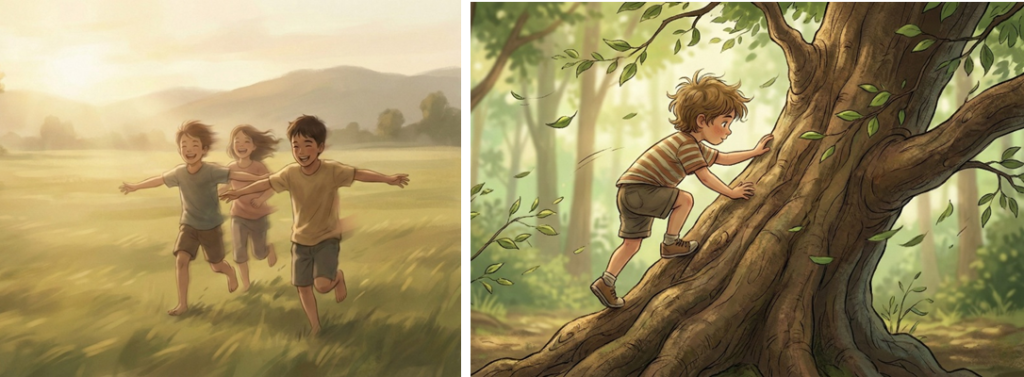
If you are a parent today, you probably remember a different kind of childhood. Long afternoons passed with little more than leaves, stones, half-broken toys, and imagination. You did not always need entertainment. You simply found something to do.
Today, boredom arrives much faster.
Even small children say, “I’m bored” within minutes of unstructured time. Teenagers scroll for hours, then still feel restless, irritated, or strangely empty. The stimulation ends, and so does their sense of ease.
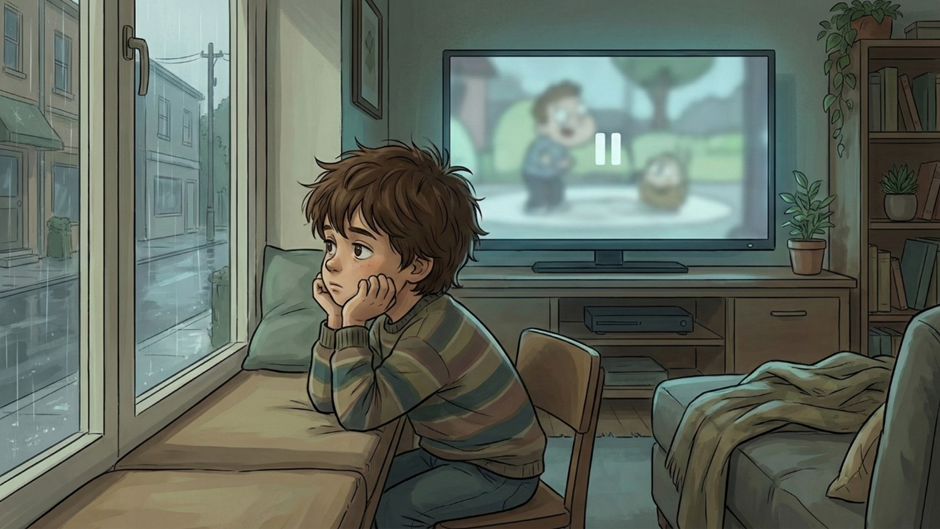
Boredom itself is not new. What has changed is the world around it.
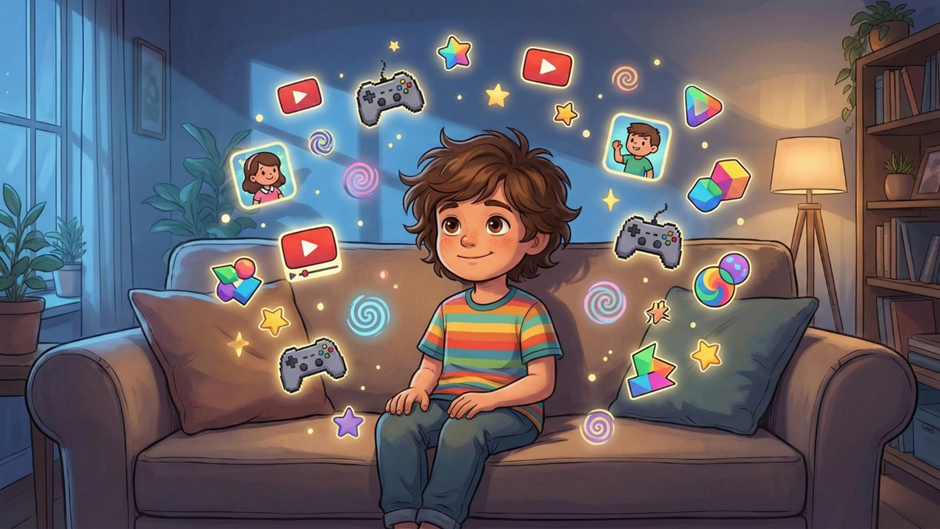
Children today grow up surrounded by constant stimulation. Fast-moving videos, auto-play, games, sounds, notifications, and instant rewards train the brain to expect novelty all the time. After that, ordinary life can start to feel too slow. Play feels dull. Silence feels uncomfortable. Stillness feels like a problem.
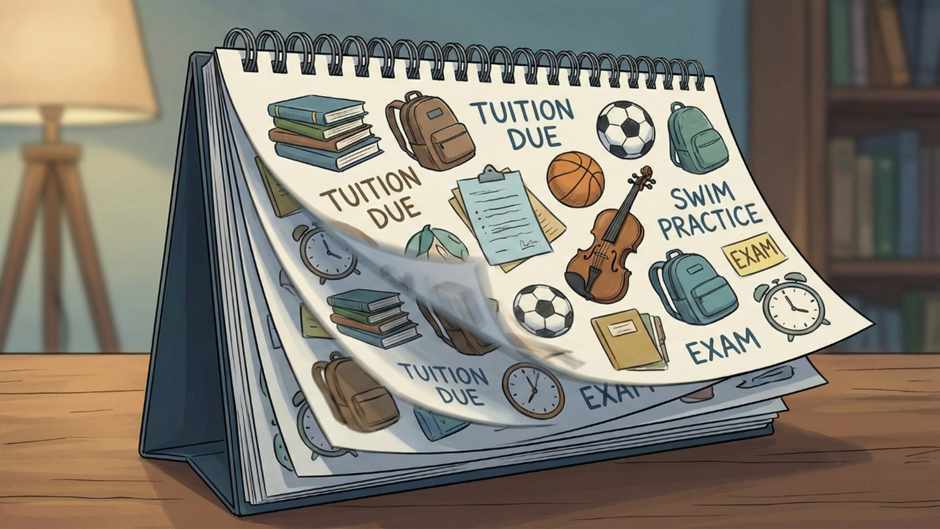
Then there is the way childhood itself is scheduled now. School, tuition, classes, homework, routines. Many children move from one guided activity to another without much pause. They are constantly told what to do next. Over time, they get less practice deciding for themselves, creating for themselves, or sitting long enough with boredom for an idea to appear.
Outdoor life has also shrunk. Earlier, children ran, wandered, climbed, explored, and invented games out of almost nothing. Today, many spend more time indoors, seated, and surrounded by finished forms of entertainment. Passive input grows, but imagination gets less room.
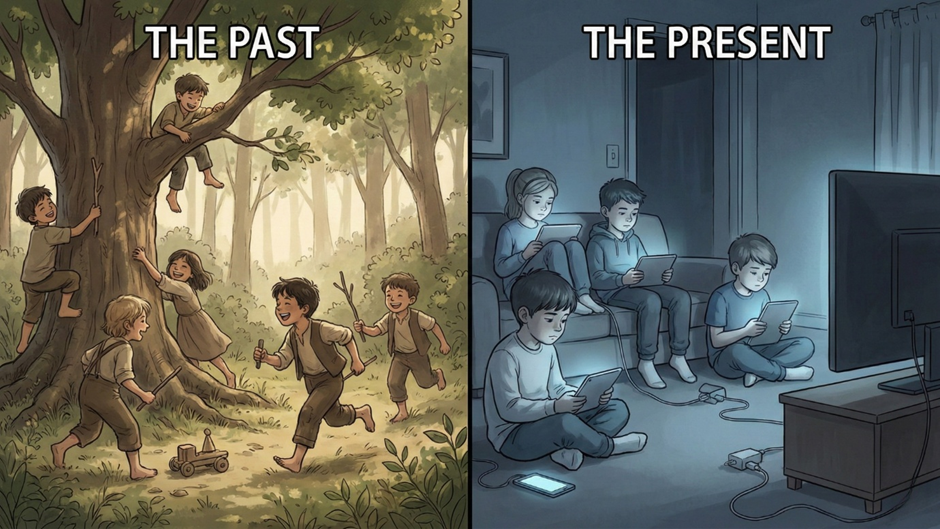
There is also the problem of instant gratification. Children can watch what they want immediately, skip what they dislike, get quick answers, and move quickly from one stimulus to another. But boredom lives in the gap between wanting something and getting it. If children rarely experience that gap, they lose tolerance for waiting. That is when boredom starts feeling more like agitation.
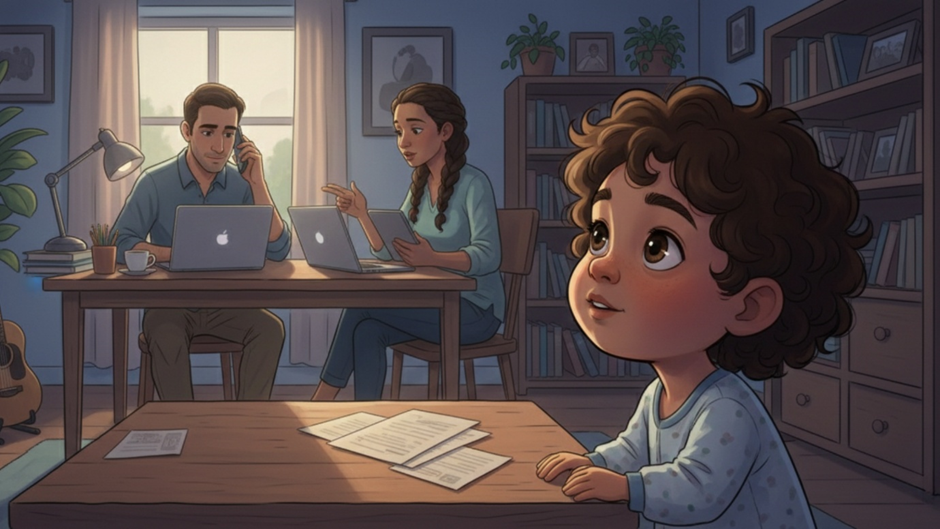
Parents are part of this atmosphere too. Many adults today also find it hard to sit still. Phones appear during meals, breaks, and quiet moments. Children notice this. Without anyone saying it aloud, they begin to absorb one message: if nothing is happening, something must be wrong.
But boredom is not a flaw. It is not failure. It is a signal.
It tells the mind that no ready-made input is arriving, and something must now come from within. That is why boredom matters. It is often the beginning of imagination, reflection, self-direction, emotional regulation, and deep play.
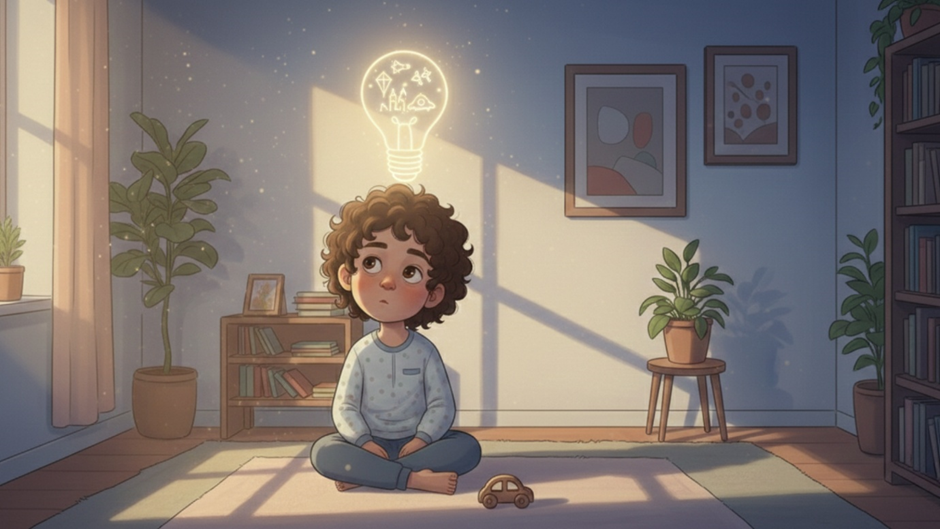
The real problem is not boredom. It is that many children have not learned what to do with it.
That learning can return, but not through pressure. It returns through small changes.
It helps when parents stop treating boredom like an emergency. A child saying “I’m bored” does not always need a quick fix. Sometimes that moment needs a little space. A pause. A chance for the child to look inward and come up with something of their own.
It also helps to create small stretches of screen-free white space. Not every part of the day needs a plan, a device, or a goal. Some empty time is useful. At first it may feel awkward. Then, slowly, it begins to feel freeing.
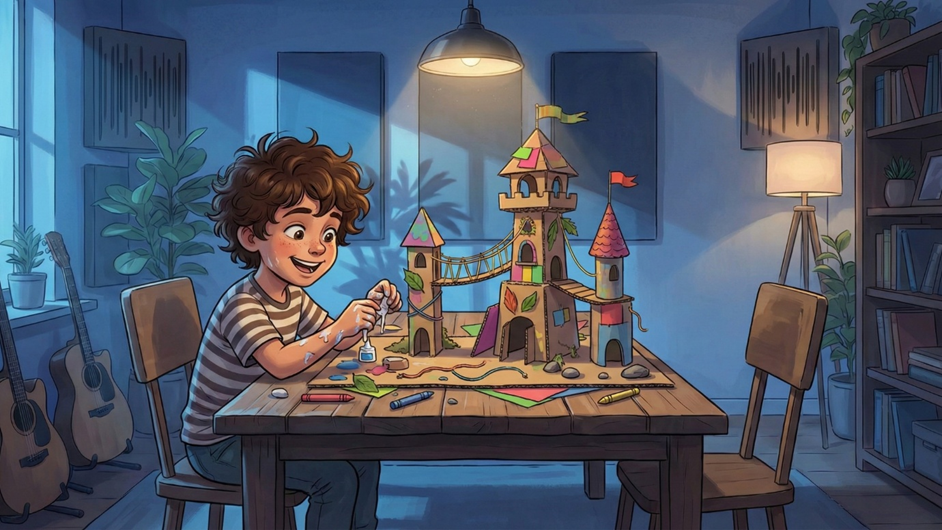
Children also respond better to raw materials than to finished entertainment. Paper, cardboard, string, clay, blocks, kitchen objects, natural things. These do not perform for the child. They ask something from the child. That is where creativity begins.
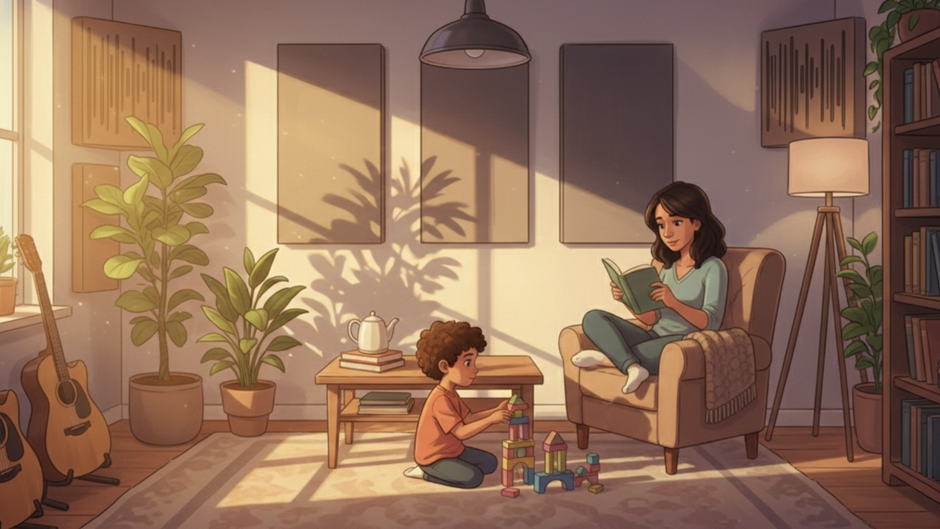
And perhaps most importantly, children need to see that stillness is safe. If adults cannot tolerate quiet, children usually will not either. But when they see a parent reading, sitting, thinking, looking out of a window, or simply being without rushing to fill the silence, they learn that not every empty moment needs rescuing.
Today’s children are not weak because they get bored quickly. They are growing up in a world that gives them very little practice being unstimulated. That is the real shift.
And that is why boredom may need to be understood differently now, not as a problem to remove, but as a space worth protecting.
Because sometimes, in that quiet and restless space, the mind begins to wake up.


