





The Moment
You have just dropped your 4th grader at school. The house is quiet, coffee is calling.
Table Of Content
You walk into the kitchen, reach for your mug, and then you see it.
The bright blue maths folder.
Sitting on the counter.
Your heart jumps. You can already picture your child opening their bag, realising it is missing. You see the teacher’s face in your mind, imagine the zero, the embarrassment.
Your hand goes straight for the car keys.
“If I leave now, I can reach before first period.”
“I do not want them to feel ashamed.”
“A good parent would fix this.”
You pick up the keys.
Then you stop.
You take a breath. Look at the folder. Look at the door.
And you make the hardest parenting decision of the week.
You put the keys down.
You leave the folder where it is.
You choose to let them fail.

The Modern Problem
We are becoming allergic to our children’s discomfort.
A frown, a tear, a small struggle, and the alarm in our head goes off. Fix it. Smooth it. Rescue.
They complain about dinner, and we rush to offer a second menu.
They battle with a zip, and we jump in to close it for a perfectly capable 7 year old.
They forget homework, and we drive across town to save the day.
All of this comes from love. We want them to feel supported and safe.
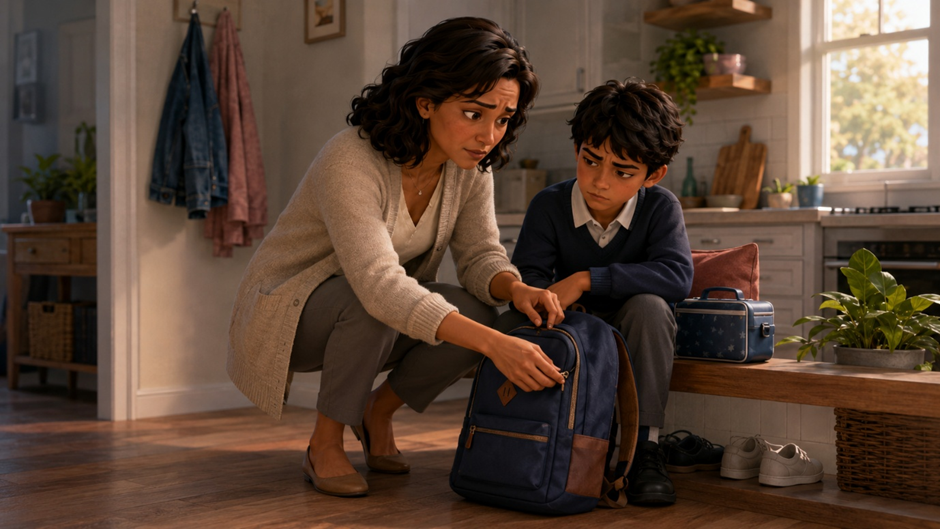
The paradox is that by removing every bump, we quietly take away the very experiences their brains need to build emotional regulation.
Children do not learn resilience from quotes on Instagram.
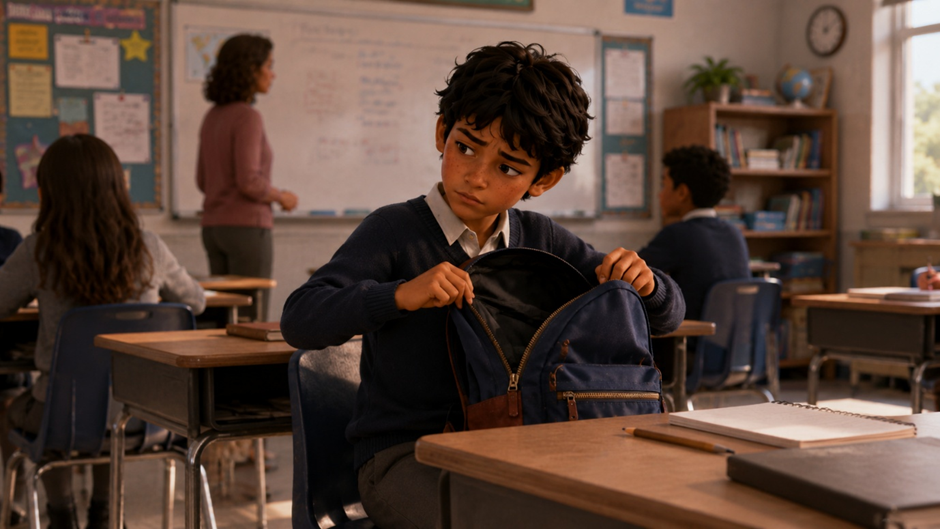
They learn it from standing in front of a teacher with an empty bag and thinking, “I forgot. What do I do now?”
What Has Changed
We live in an era of intensive parenting.
There is pressure to curate a smooth, polished childhood. No public mess, no visible failure, no rough edges that others might judge.
In this climate, helicopter parenting and bulldozer parenting have become normal.
- Helicopter parents hover over every move
- Bulldozer parents race ahead, clearing every obstacle before it reaches the child

In earlier generations, natural consequences did most of the teaching. Forget your tiffin, feel hungry. Forget your book, borrow or manage. Parents cared, but they did not always intervene.
Now the fear of being seen as careless and the desire to control outcomes pushes us to step in constantly.
It looks like protection. It often functions as control.
And it quietly blocks the daily practice children need to become capable and confident.
The Counter Intuitive Insight
When we step back, the scraped knee, the forgotten homework, the lost water bottle all become silent classrooms for emotional grit.
By not rushing in, we are not abandoning our child. We are signalling trust in their ability to think, adapt, and recover.
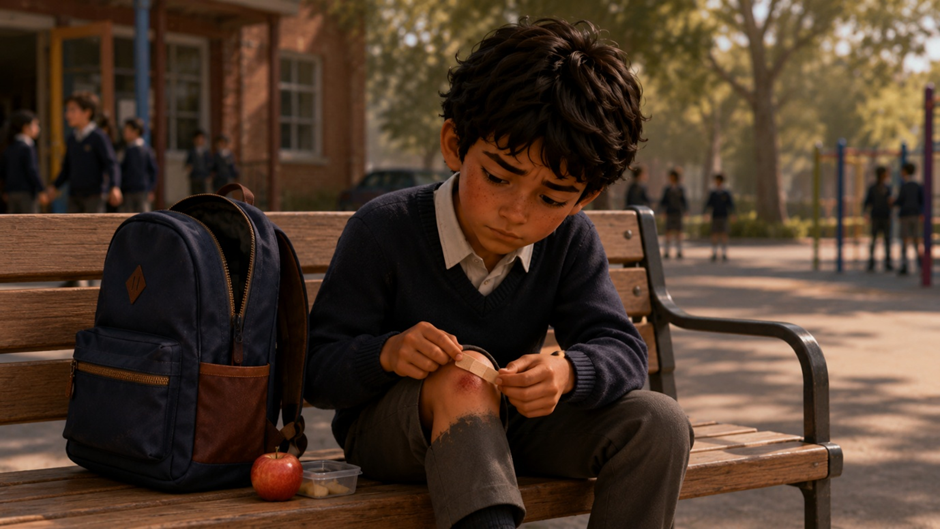
Every time we rescue, we may ease a small moment of discomfort, but we also send an invisible message:
“You cannot handle this.”
Over time, that message breeds dependency and anxiety. Children start to doubt their own capacity. They wait for someone else to fix things. Their problem solving muscles stay weak.
Small failures are not crises.
They are repetitions. Practice rounds. Emotional workouts that build strength for later exams, breakups, job rejections, and real life disappointments.
When we allow these moments, then help them reflect afterward, short term frustration can grow into long term self belief.
The Pivot: A Realist Strategy for Parents
How do we move from rescuing to building resilience, without becoming harsh or cold?
1. Retire the Rescue Mission
Make a simple rule: if it is not about health or safety, do not swoop in.
Forgotten folder.
Left behind lunchbox.
Sports shoes still by the door.
Let natural consequences do part of the teaching.
Teachers across the world see a pattern: children who demand special help for tasks they can do themselves, and children who cannot tolerate a teacher’s no because adults at home always made exceptions.
Letting your child face school consequences, while you offer empathy later, teaches them that boundaries are real and that they are capable of adjusting next time.
2. Build the “Waiting Muscle”
When a setback hits and they melt down, your instinct will be to distract or fix.
Pause.
Offer comfort, not instant solutions or screens. Sit with them while the disappointment peaks and then slowly settles.
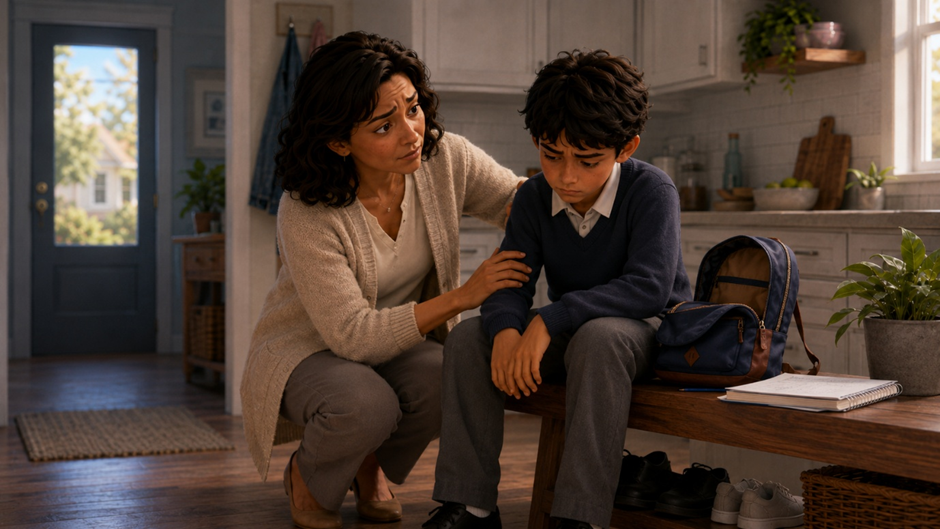
Life will bring many frustrations. Exams that do not go well. Friends who cancel. Teams they do not make.
They need practice in handling those feelings, not escaping them every time.
3. Audit Your Own Anxiety
Often, the rescue is not only for them. It is for us.
We worry what teachers will think. What other parents will say. Whether this failure means we are not doing a good job.
Next time you feel the urge to fix, ask yourself:
“Am I helping because my child truly cannot handle this, or because watching them struggle makes me uncomfortable?”
That one honest question can stop a lot of unnecessary interventions.
4. Shift from Fixing to Coaching
When they come home upset about the zero or the playground drama, you do not have to jump into problem solving mode.
Start with empathy.
“That sounds really upsetting.”
“I can see you are disappointed.”
Then move to coaching.
“What is your plan so the folder gets into your backpack tomorrow?”
“What could you say to your friend next time this happens?”
You stay on their side, but you keep the problem in their hands.
They begin to see themselves not as helpless passengers, but as active authors of their own story.
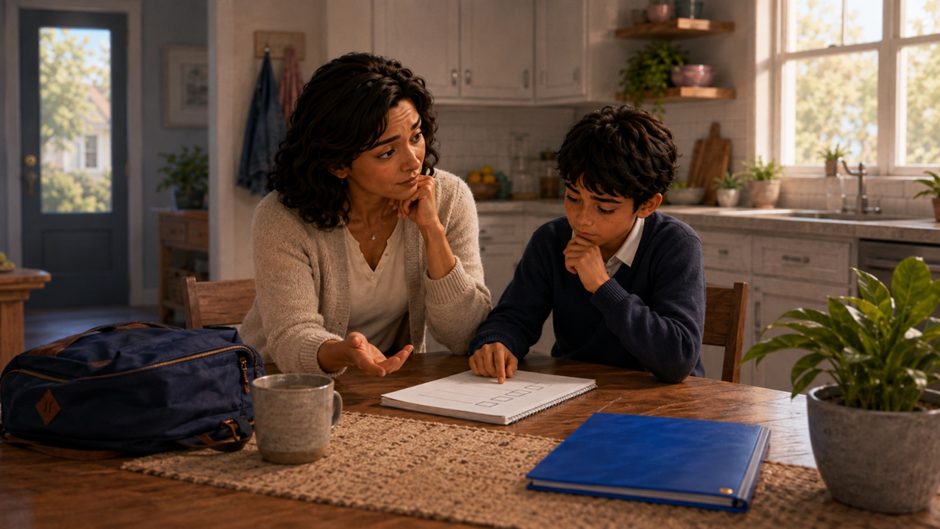
Small failures will always tug at your heart. It is hard to watch your child stumble when you know you could have prevented it.
But those small stumbles are where resilience, problem solving, and independence quietly grow.
We cannot clear every wave from their path.
We can stand nearby, let them wobble, let them get wet, and help them notice the most important lesson of all:
“I can handle more than I thought.”