



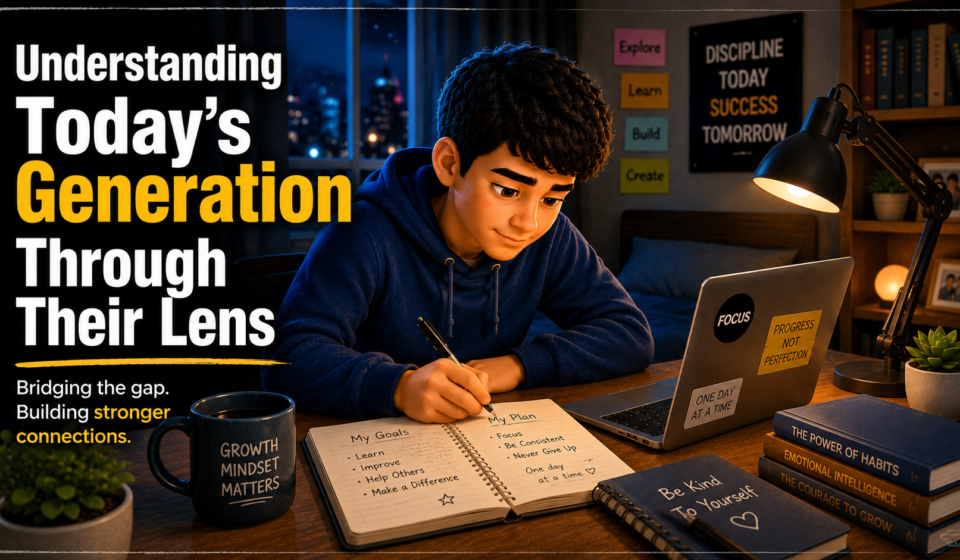

A parenting look at the mindset, values, and communication style of children growing up today
In many homes, it begins with something small. A parent asks a question. The child replies with a shrug, a quick “fine”, or silence. Minutes later, that same child is laughing over a voice note, reacting instantly to a reel, or talking endlessly with friends. For many parents, that contrast can feel confusing.

Why does today’s generation seem so expressive in one moment and so distant in another?
Part of the answer lies in the world they are growing up in. Today’s children are shaped by speed, constant information, social awareness, and a life that moves between the digital and the real without pause. Their world is faster, more visible, and more connected than the one many parents knew growing up. That difference shapes how they think, respond, and relate to others.

One of the clearest things about this generation is that they value what feels real. They usually respond better to honesty than to polished lectures. They can sense when interest is genuine and when it is simply routine. They are also far more aware of emotional wellbeing than earlier generations were at the same age. Words like stress, pressure, and anxiety are no longer distant ideas. They are part of everyday conversation.
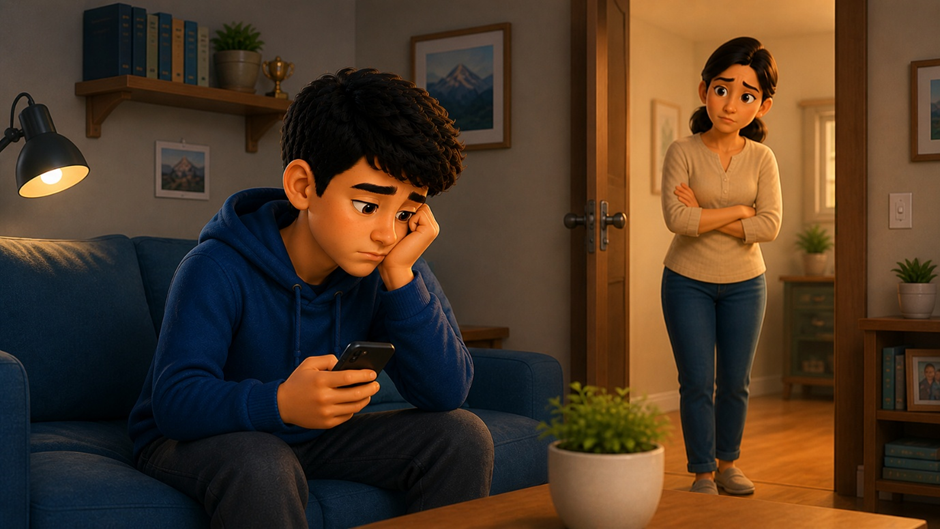
Independence matters to them too. They are growing up in a world full of shifting choices, changing careers, and new possibilities. Naturally, they want room to explore. And then there is the digital world, which is not just a tool for them. It is also a social space, a language, and often a part of identity itself.
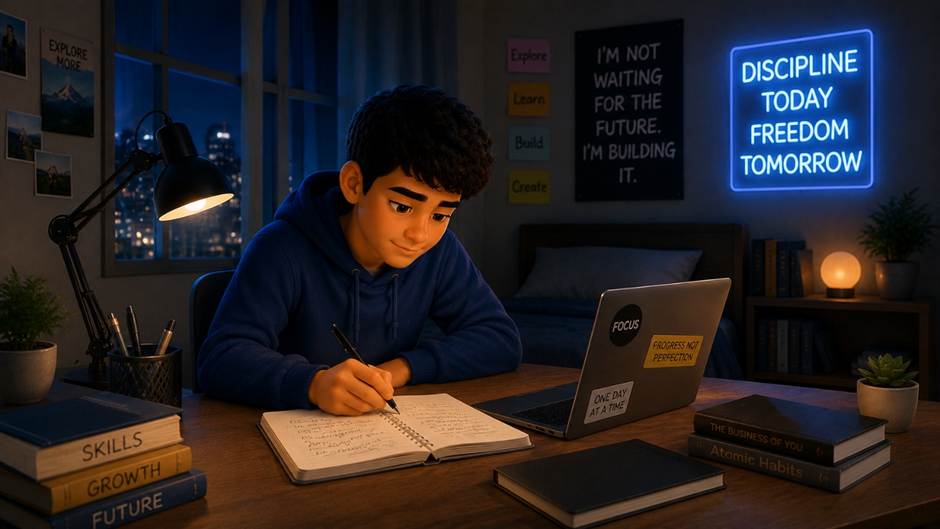
This is where misunderstandings often begin at home.
Parents may come from a world of structure. Children today are growing up in a world of speed. Parents may prefer full conversations and careful wording. Children may reply through short messages, emojis, or half-finished sentences that feel perfectly normal to them. Parents often want to protect. Children often want to explore. What feels like care to one may feel like control to the other.
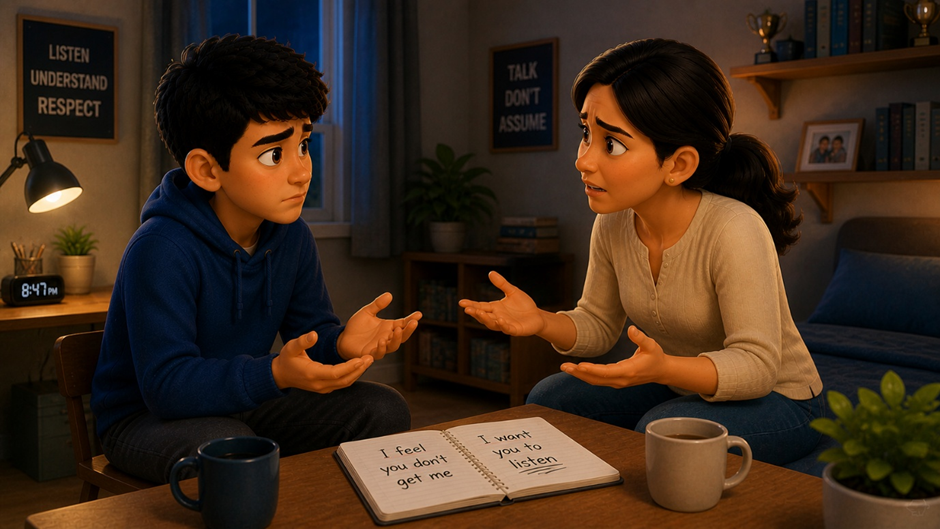
Even the way both sides communicate is different. Parents often move quickly towards advice. Children often want their feelings to be heard first. That small difference can turn a simple conversation into tension.
Still, connection is not as far away as it sometimes feels.
Often, it begins with a small shift in tone. “Why did you do this?” can close a child up quickly. “Help me understand what happened” keeps the same moment open. Taking real interest in their world also matters, not only in their studies or routine, but in the music they enjoy, the apps they use, the trends they follow, and the things that hold their attention.
It also helps when conversations are not built only around performance. When every exchange starts with marks, discipline, or correction, a child may begin to feel watched more than understood. Boundaries still matter, but they are often received better when they come with context, calmness, and conversation.
And sometimes, the best talks do not happen during serious sit-down moments at all. They happen while driving, walking, cooking, or simply being together without pressure.

Today’s generation is not impossible to understand. They are simply growing up in a different world. When parents begin to see that world more clearly, communication often softens. What looked like distance may actually be pressure. What felt like stubbornness may be a child trying to make sense of a fast-moving world.
Understanding their lens does not weaken a parent’s role.
It makes that role more connected, more relevant, and more human.