


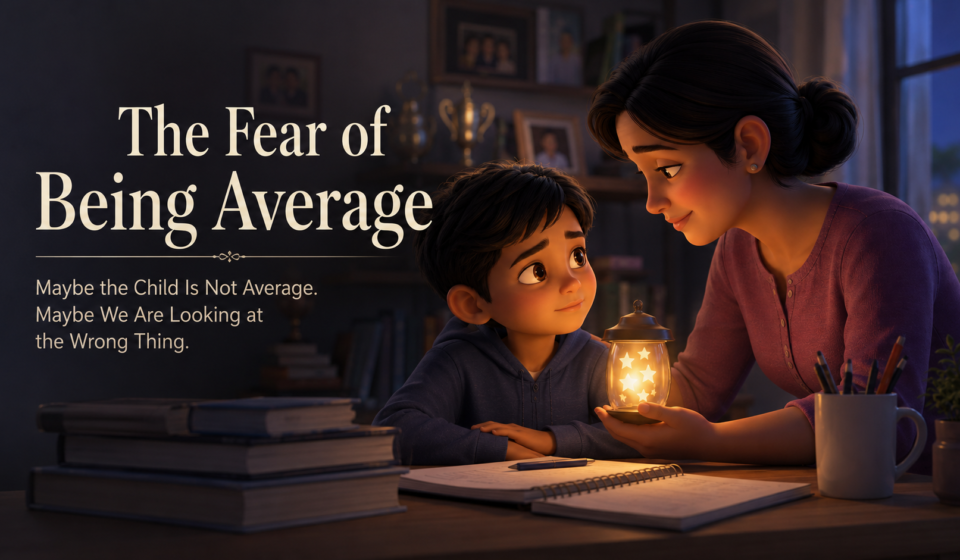

Maybe the Child Is Not Average. Maybe We Are Looking at the Wrong Thing
There is usually one child in every class who gets noticed quickly.
The one who answers first.
The one who wins medals.
The one who dances confidently on stage.
The one whose name appears near the top of the result list.
The one everyone remembers after the school function.
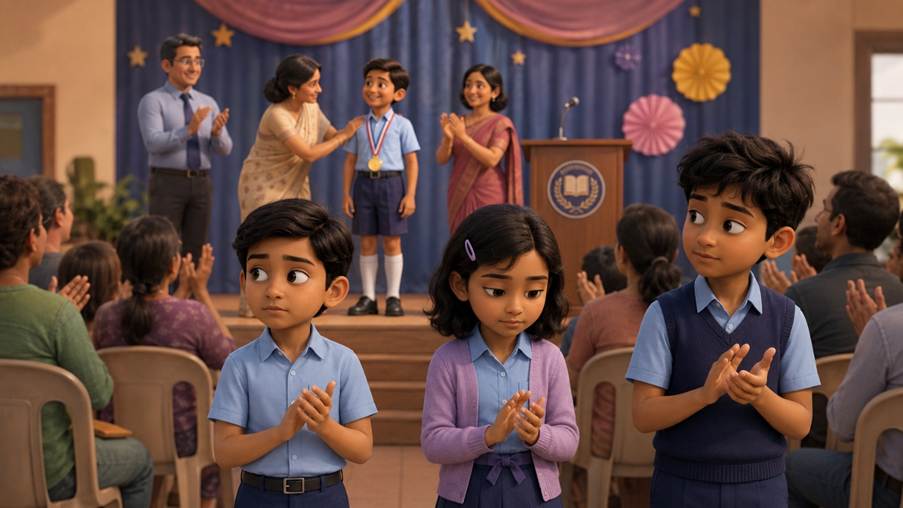
And then there are the others.
The child who claps for everyone but is never called on stage.
The child who gets decent marks, but not the kind that people discuss.
The child who draws quietly on the last page of the notebook.
The child who notices when a friend is upset, but becomes silent when asked to speak in front of the class.
The child who is good, but not “best.”
This is where the feeling begins.
Not because the child has nothing special.
But because the world often notices only certain kinds of special.
A report card can show marks, but not kindness.
A medal can show victory, but not patience.
A stage performance can show confidence, but not depth.
A certificate can show achievement, but not honesty.
A rank can show speed, but not sensitivity.
So many children slowly learn to ask themselves the wrong question.
“Am I special enough?”
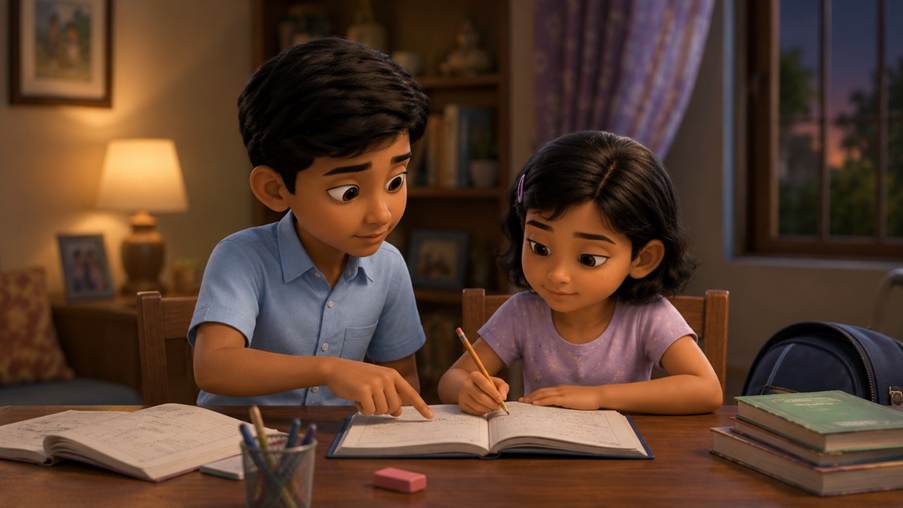
Take Aarav. He gets 78 percent. Everyone says, “Good, but you can do better.” Maybe he can. But that same week, he helped his younger sister revise every evening. Nobody counted that.
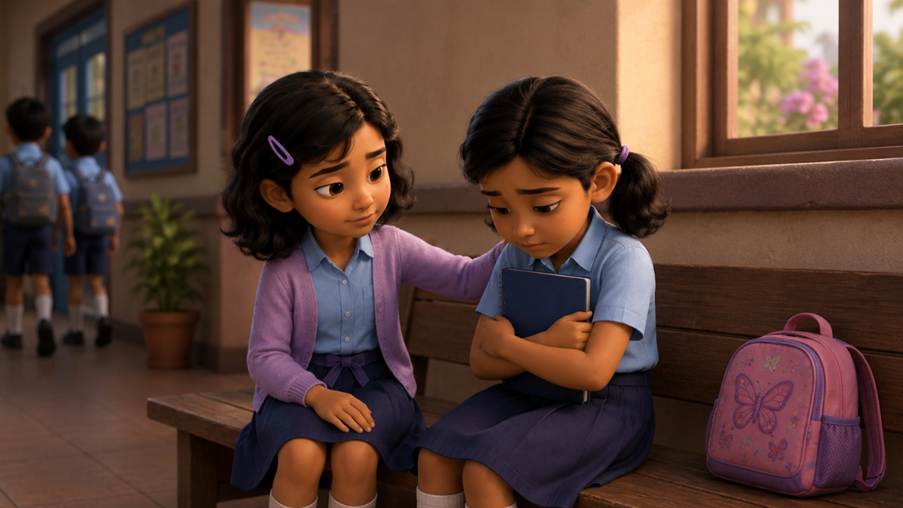
Meera does not enjoy competitions. She freezes when people watch her. But if a friend is sad, she will sit beside them quietly until they feel better. Nobody gives a certificate for that.
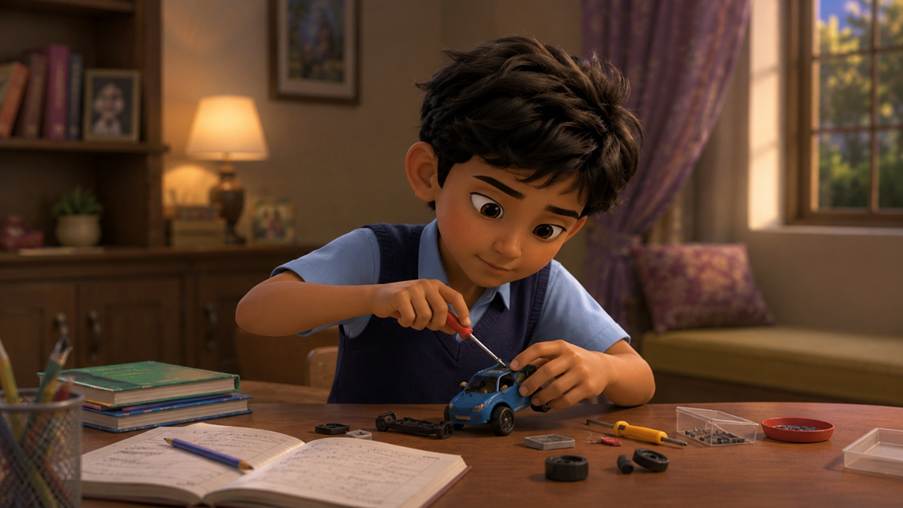
Kabir is slow in class. He needs more time to understand things. But give him a broken toy, a loose screw, or a leaking bottle, and he will keep trying until he finds a way. That too is intelligence, just not the kind that always appears in a test.
So are these children average?
Or are we using a very small scale to measure something much bigger?
Today, childhood has become more visible than ever. Marks are shared. Trophies are photographed. Performances are uploaded. Certificates are forwarded in family groups. None of this is wrong by itself. Parents feel proud, and children feel encouraged.
But somewhere, children also begin to notice which achievements get applause.
They notice who gets praised.
They notice who gets posted.
They notice who gets compared.
They notice who becomes “the talented one.”
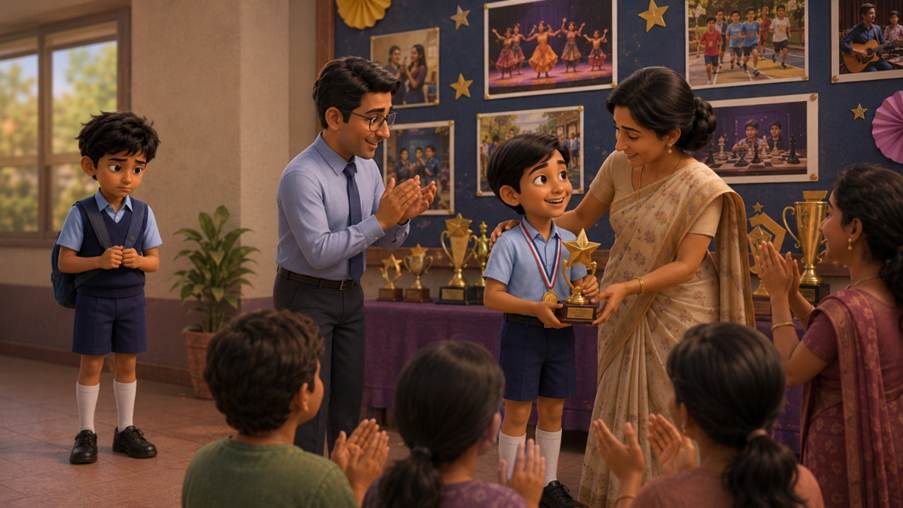
And if their own strength is quiet, slow, emotional, practical, or still forming, they may begin to feel invisible.
Some children shine early. Some shine loudly. Some shine in ways that fit neatly into school events and competition forms.
But some children shine differently.
They are careful.
They are steady.
They are thoughtful.
They are loyal.
They remember small things.
They care without making noise.
They do not speak much, but they notice a lot.
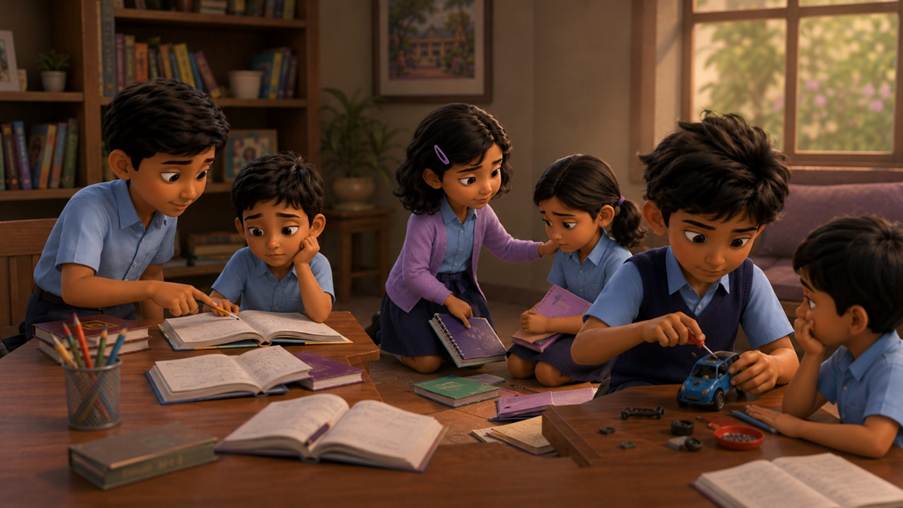
These children may not look impressive from a distance. You have to come closer.
Maybe that is what many children are waiting for.
Not false praise. Not “you are the best” when they know they are still learning. Not pressure to become extraordinary overnight.
Just someone looking closely enough to say, “I see this in you.”
Because no child is one report card.
No child is one competition.
No child is one rank.
No child is one talent.
No child is one public moment.
A child is still unfolding.
Sometimes the child who looks average today is only undiscovered. Sometimes the strength is not missing, it is still forming. Sometimes it is already there, but adults are looking somewhere else.
The child who does not win may still be brave enough to try.
The child who speaks less may be thinking more.
The child who takes longer may be learning more carefully.
The child who is not an all-rounder may still be deeply sincere in one quiet corner of life.
And life needs such children too.
Life does not run only on toppers and performers. It also needs listeners, helpers, repairers, thinkers, caregivers, peacemakers, patient workers, honest friends, and people who do simple things with unusual sincerity.
So maybe the fear of being average is not really about being average.
Maybe it is the fear of being unseen.
Before asking how to make every child stand out, it may be worth asking something gentler:
What am I not seeing yet?
Because some children do not shine like fireworks.
Some shine like lamps.
Quietly. Steadily. Softly.
And sometimes, all they need is for someone to notice the light.