



There’s an old English saying: “You cannot train a horse by shouts and then expect it to obey whispers.” In other words, if you raise something with control and commands, do not expect it to respond to freedom and nuance.
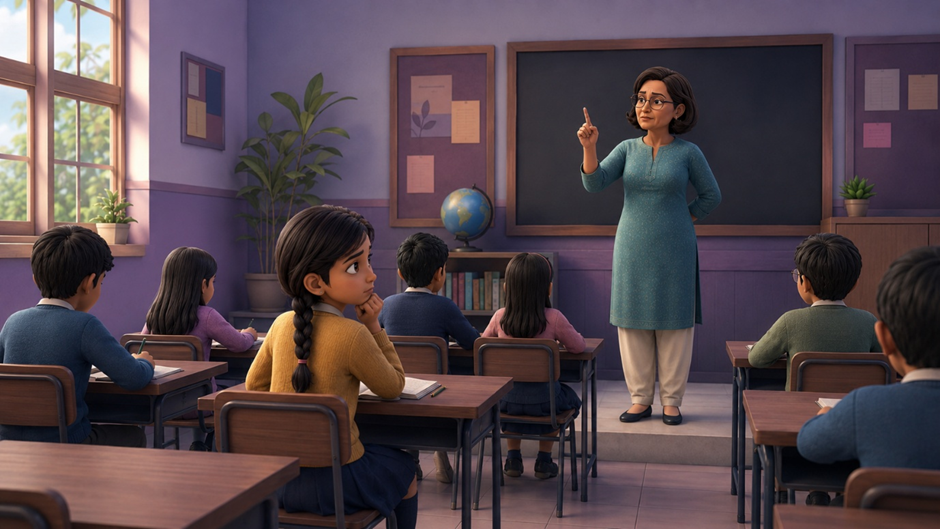
When parents and teachers say, “Today’s children can’t do anything on their own,” the problem often lies in the way those children were raised or taught. When we widen our eyes, raise our voice, and expect quiet submission from students, we are not nurturing a democratic spirit. We are reinforcing authority. And in doing so, we quietly dismantle the very foundations of a free and democratic society.
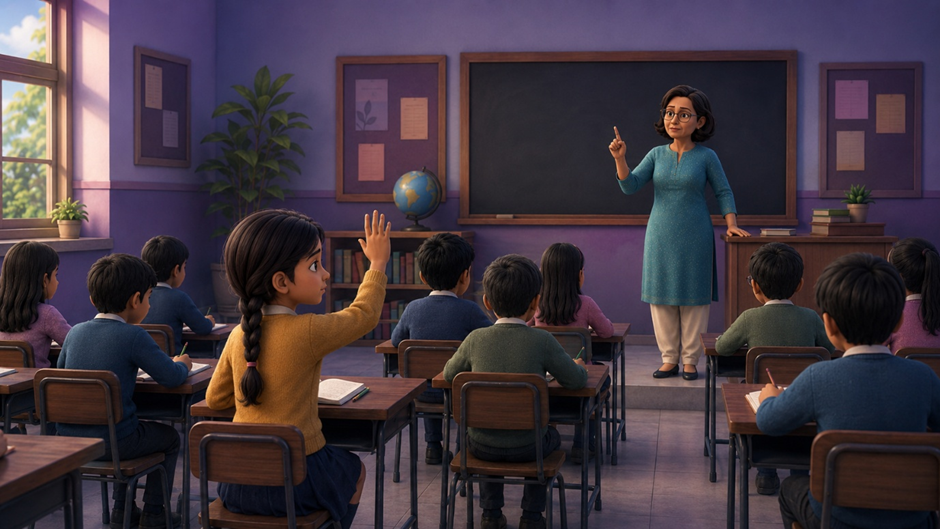
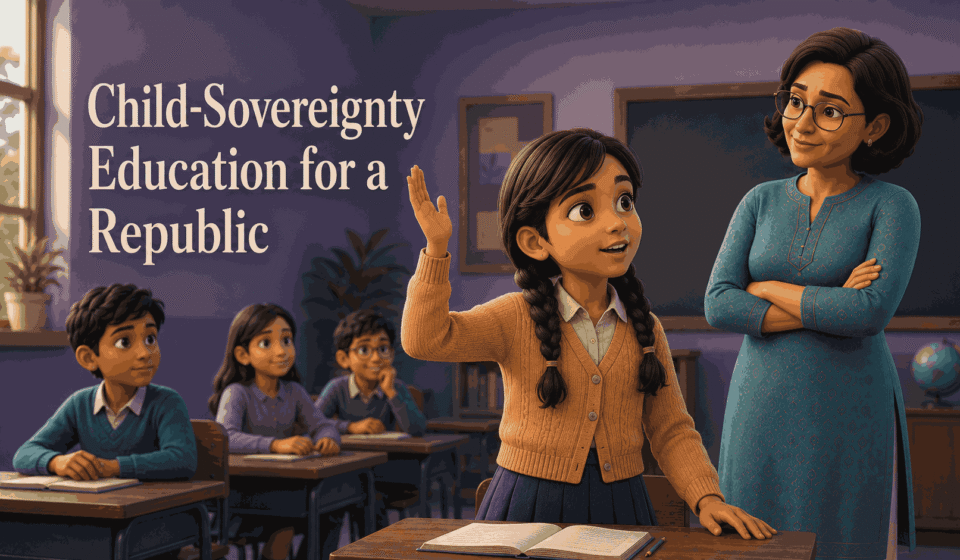
If we want to raise citizens who can think, speak, and lead, we must start with something vital: child-sovereignty education.
Ask yourself this. Do children in school feel that the space belongs to them? Does a student feel, “This is my teacher, my classroom, my learning”? If a child’s thoughts, feelings, opinions, and even instincts are welcomed, they will begin to believe in the school as theirs. We speak often of creating eco-friendly schools, but have we even begun to build child-friendly schools?
If education is seen only as a ritual created by adults to imprint their worldview on children, then the child stops searching for their own voice. They simply learn how to submit. Slowly, they understand that success means obedience, and that resistance leads to rejection. This is how we turn free spirits into followers, and it begins early.
Take our exams. We ask questions like:
“What did Gandhiji and Jawaharlal Nehru think about development?”
“What is Narsinh Mehta’s view of a Vaishnavjan?”
“What does the poet wish to say in this poem?”
“What is Lincoln’s definition of democracy?”
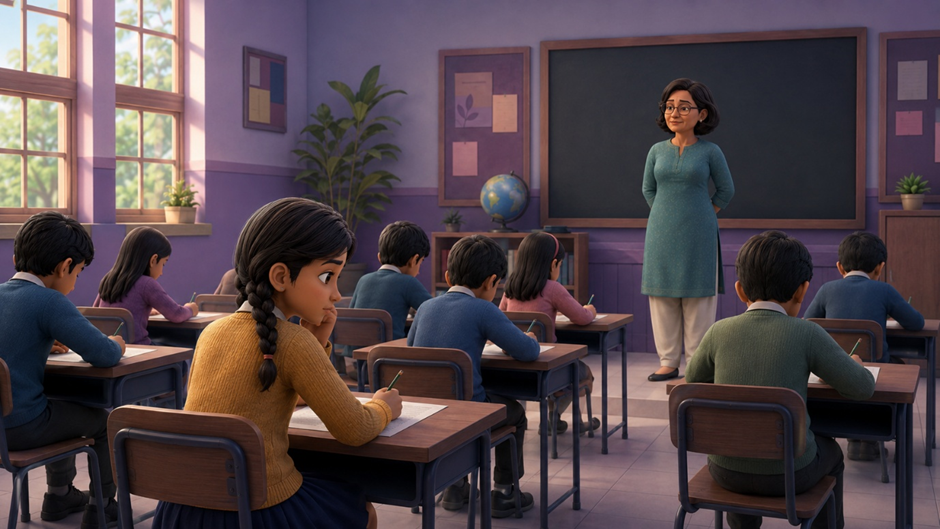
The student’s own views are not only missing from this picture, they are actively dismissed. No one asks: “What do you think about this?” or “What’s your definition of democracy?” or “What do you believe makes a good human being?”
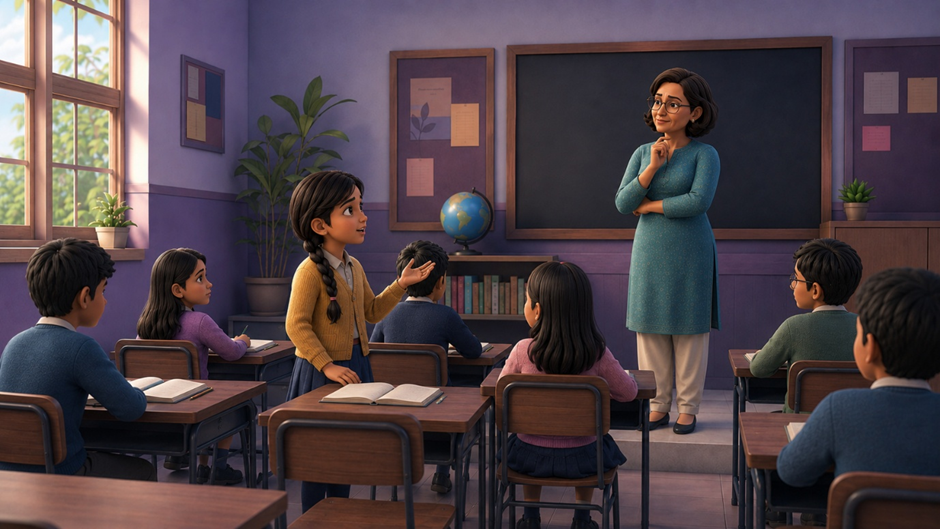
Many adults, perhaps without even realising it, forget that children are full of feelings, opinions, and ideas. Instead of drawing these out, we overwrite them with our own.
And then we wonder, “Why can’t they think for themselves?”
The truth is, we rarely allow them to.
If we truly want children to form their own beliefs, values, and ideas, then we must first allow them to examine ours. Let them challenge what we say. Let them disagree, gently but clearly. Let them learn to tell the difference between strong ideas and weak ones.
Classrooms should become spaces where differing views are welcomed, not shut down. A child’s opinion may not match ours. That is the point. When it doesn’t, we should not say “wrong.” And when it does, we should not say “good.” If we condition them to only agree with us, we are not educating them. We are training them.
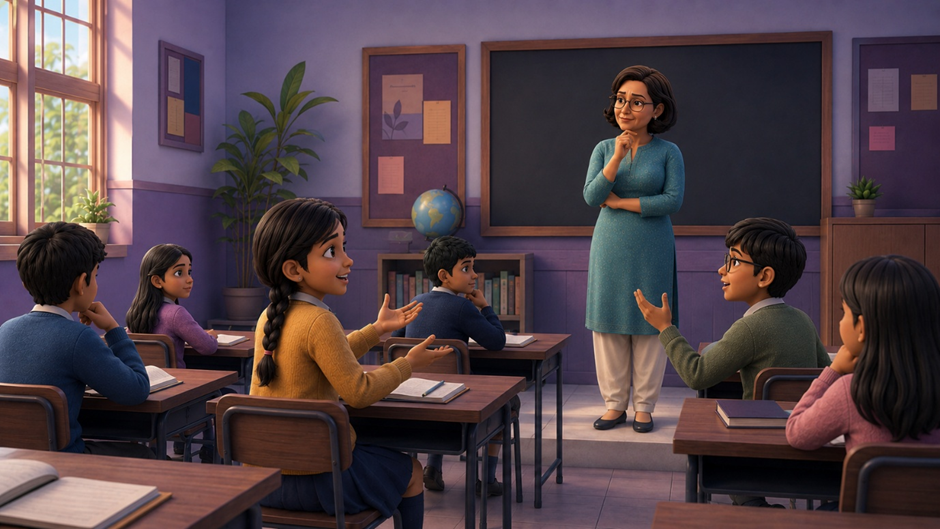
The true heartbeat of a republic is the ability to dissent without fear. And the work of a teacher is not to make students memorize and repeat. It is to stir thought, raise questions, and help students weigh ideas on their own terms. When a child says something surprising, and it sparks debate or new thinking, that is the teacher’s true reward.
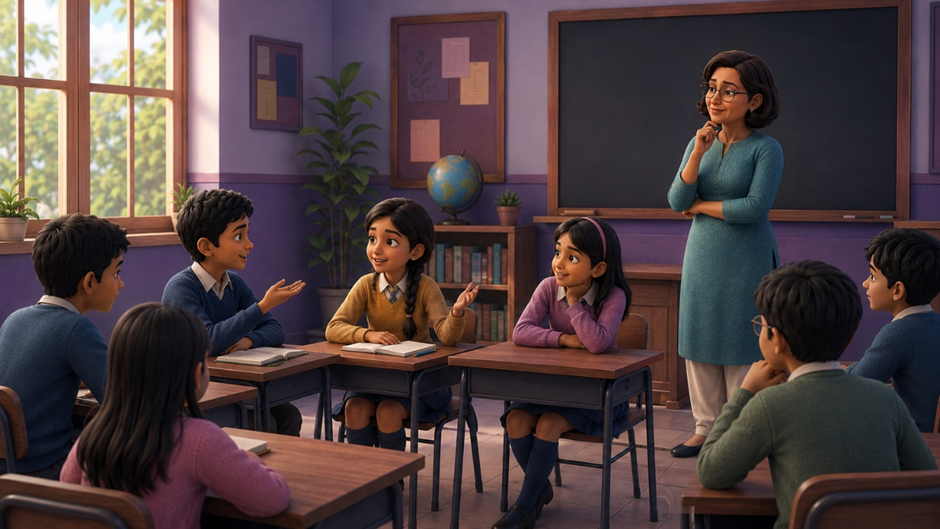
The classroom, like the home, must nurture child-sovereignty. Without it, democracy becomes hollow. In Sanskrit, the phrase “सा विधा या विमुक्तये” (That is true knowledge which leads to liberation) reminds us that knowledge should lead to liberation. And from our local wisdom: “बाल देवो भव” (Consider the child as divine); as the speech, so the child. Together, they speak to one idea: real education must honour the child’s voice.
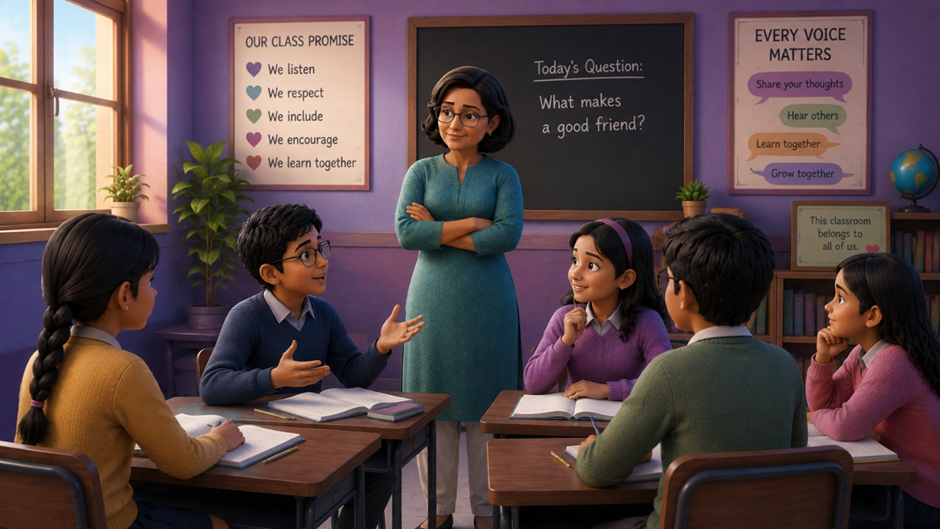
So, teacher, parent, elder, what do you say?
Step forward. Step forward. Step forward.
Friends, walk boldly on this bright path ahead.