




/
Table Of Content
- Q1: During adolescence, girls often become overly focused on appearance—hair, dress, and styling. How can this behavior be improved?
- Q2: When children were younger, they used to study diligently. But during adolescence, they seem less interested. How can we help?
- Q3: Many children are uncertain about their future and often don’t study enough. How can this be addressed?
- Q4: Some teenagers become too attached to friends and spend too much time with them—even after school via phone or SMS. What should parents do?
Q1: During adolescence, girls often become overly focused on appearance—hair, dress, and styling. How can this behavior be improved?
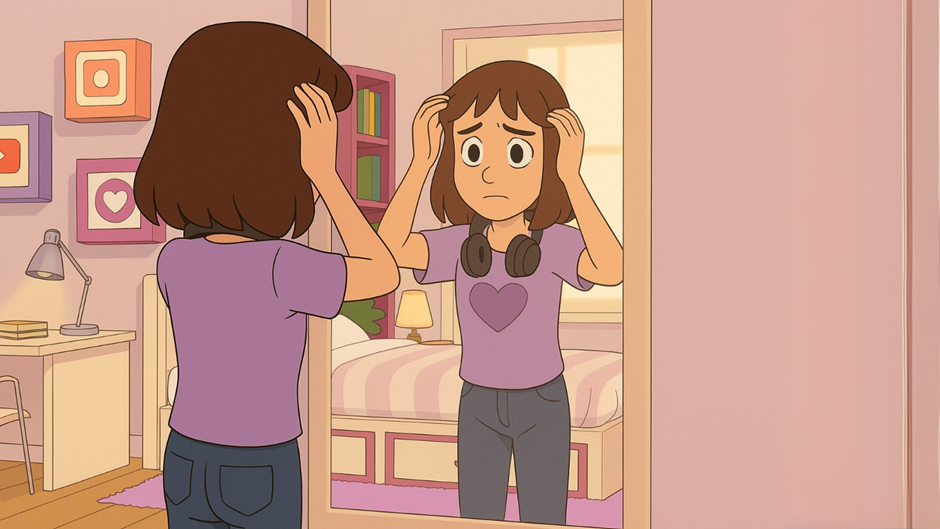
A: Hormones play a huge role during adolescence in shaping physical growth and emotional behavior. At this stage, girls are highly conscious of how they appear to others. If there’s no healthy role model or clarity on how to express personal style, they tend to copy what they see around them without understanding its impact.
This is the age of curiosity. So, instead of criticizing or ridiculing their styling choices, parents should discuss their views openly. Make them aware of their beauty and strength beyond just looks. Help them understand what suits them best. They’ll learn to balance personality and grooming as they grow—just guide them gently and respectfully.
Q2: When children were younger, they used to study diligently. But during adolescence, they seem less interested. How can we help?
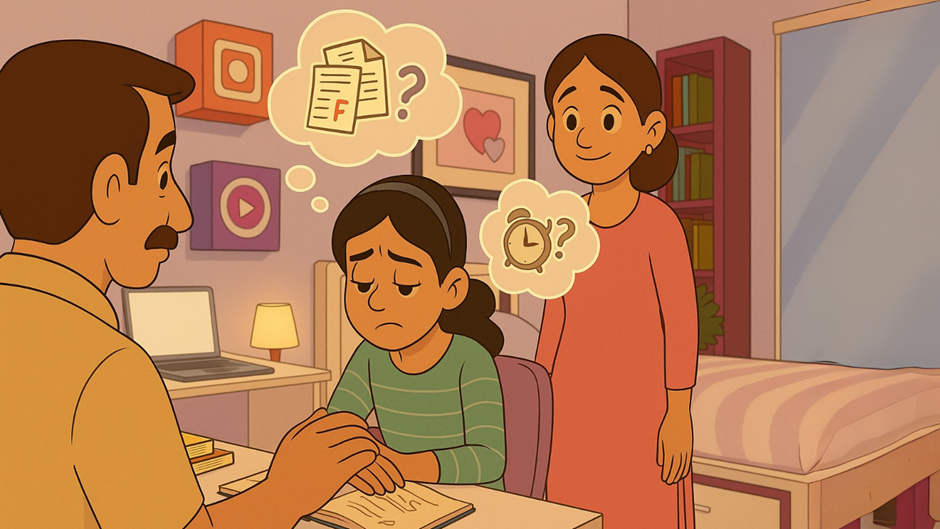
A: Hormonal changes during this phase also affect mental development. Many teenagers are caught between their inner world of dreams and the outside world’s expectations. At this time, their focus becomes erratic, their energy unstable, and their thoughts scattered. They struggle to understand priorities and find direction.
Their minds and bodies undergo significant changes, so they find it hard to concentrate on studies as before. That doesn’t mean they don’t care—it just means they need time and space to adjust. It’s important for parents to be patient and consistent with their support.
Q3: Many children are uncertain about their future and often don’t study enough. How can this be addressed?
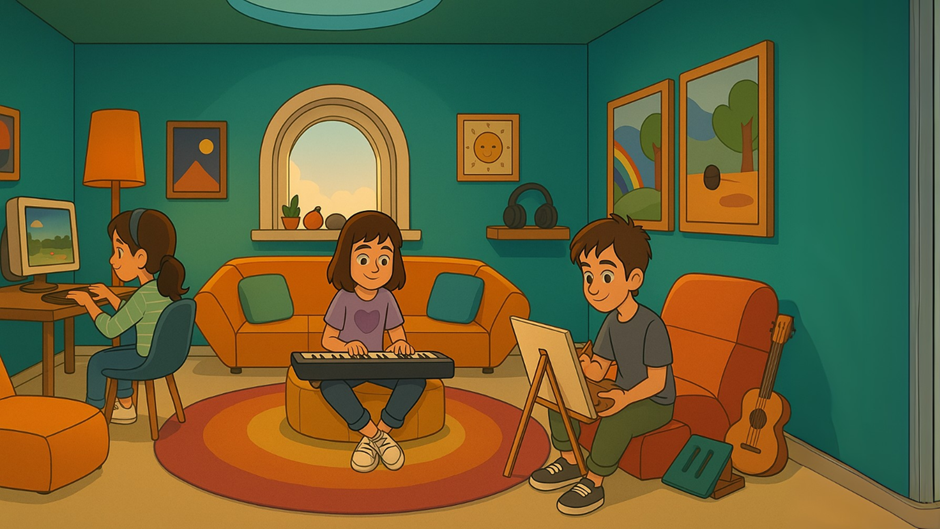
A: This is the perfect age to help children develop future vision and discover their interests (aptitude). If we force them to focus only on results without nurturing their curiosity, they may lose motivation.
Parents should pay attention to what excites their child. Whether it’s art, science, writing, sports, or any other field, their learning becomes joyful when it’s aligned with passion. Help them explore possibilities rather than pushing only for marks.
Q4: Some teenagers become too attached to friends and spend too much time with them—even after school via phone or SMS. What should parents do?
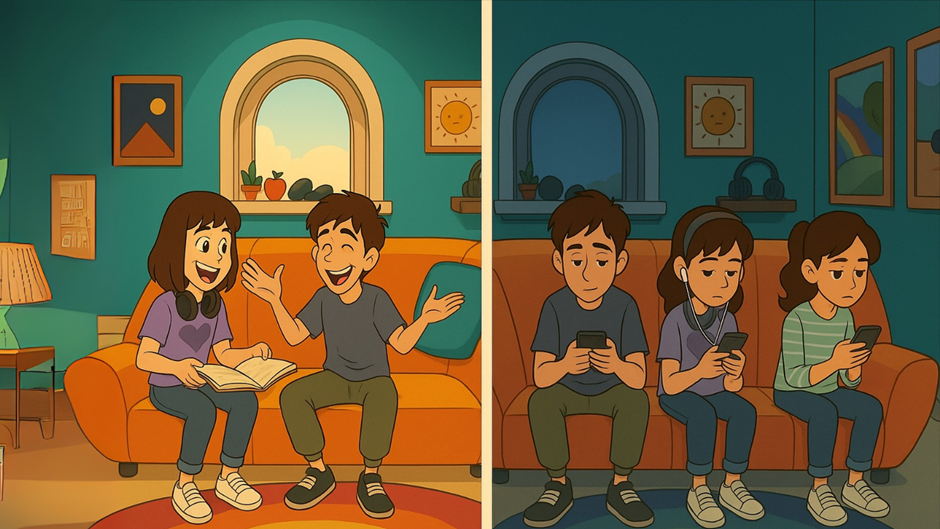

A: As teenagers, children begin to feel like independent individuals. They want to explore relationships and connections beyond home. Naturally, they seek more time with peers of similar age and thought.
They may share secrets or thoughts more easily with friends than with parents. This doesn’t mean they’re hiding things; it just means they feel emotionally safer or more heard with their peers.
Some parents fear that these friendships might influence their child negatively. But that’s not always true. With proper understanding and trust, children can share everything with parents as well. Instead of reacting, just listen patiently and keep communication open.
Between the ages of 12–13 to 16, friendships matter a lot. But as teens mature, they gradually learn to balance these attachments too; with guidance, not control.
Disclaimer:
This article reflects the author’s personal insights and reflections. It is shared with the intention of encouraging thoughtful parenting and generational harmony. The project and foundation are acknowledged as part of the original source for transparency and integrity.