



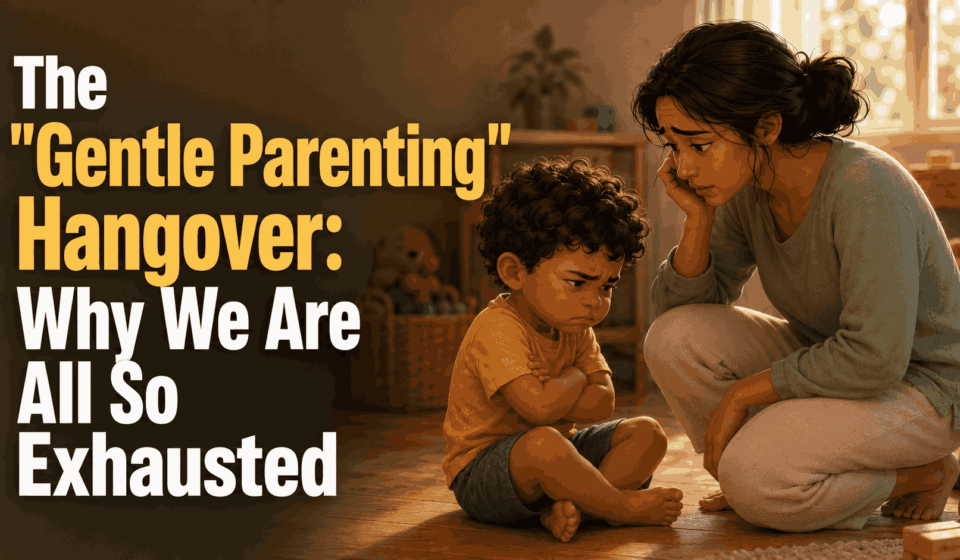

Your 4 year old is on the kitchen floor, crying like their world has ended.
Table Of Content
The Moment
Reason: you cut the toast into triangles instead of squares.
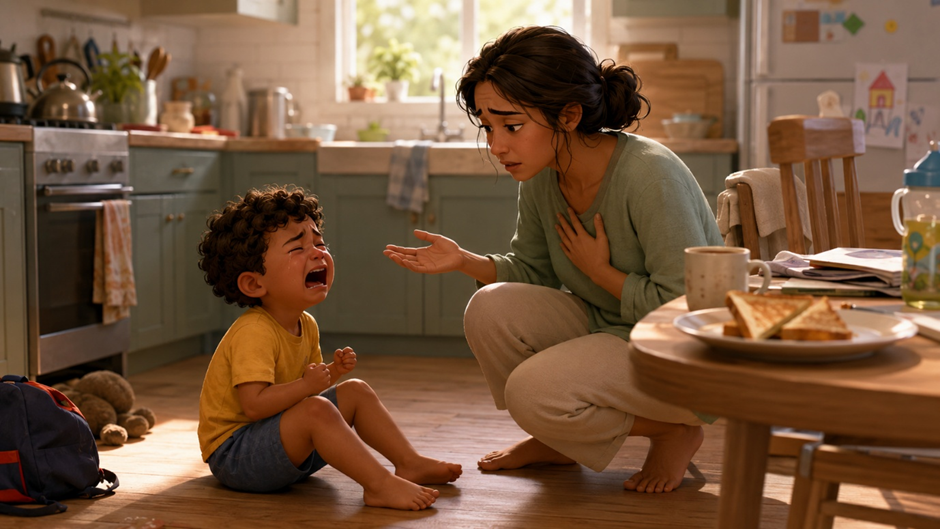
You can feel your irritation rising, but your brain instantly pulls up all those reels and blogs you have seen. So you switch to “gentle parent” mode.
You bend down to their level. You breathe slowly. You choose your words carefully.
“I see you are frustrated. You really wanted squares. It is hard when toast is not how we want it. You are feeling big feelings.”
You hold space. You co regulate. You open your arms for a hug.
Twenty minutes later, nothing has changed.
Your child is still screaming.
The toast is cold.
You are late. Your coffee is untouched.
Inside, something hot is climbing up your throat. You want to shout, “It is just toast.”
But you swallow it, because “good” parents do not yell. So you push everything down. It sits like a stone in your chest, and the headache starts behind your eyes.
That night, when the house is finally quiet, you lie in the dark staring at the ceiling, completely drained.
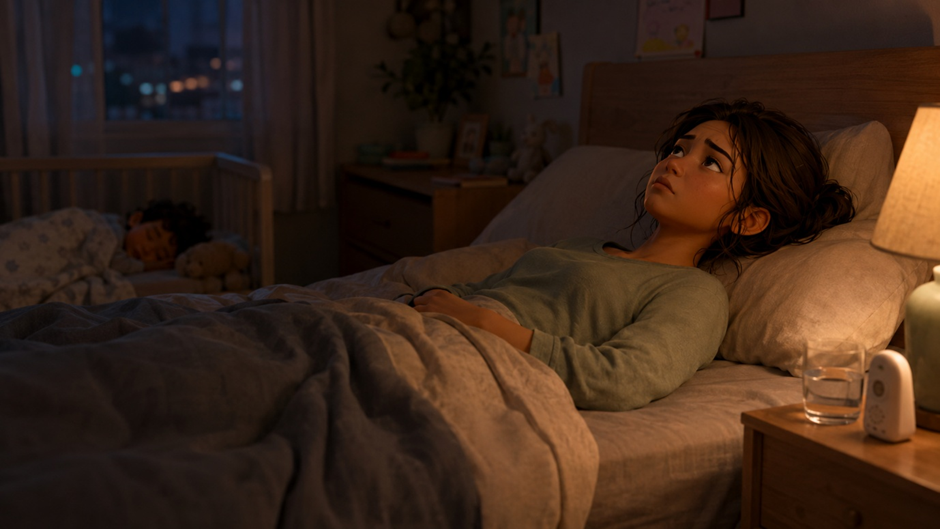
You did everything “right.”
So why does it feel so wrong?
The Modern Problem
We are in the middle of a gentle parenting hangover.
For almost a decade, parenting advice has swung hard away from the old “Because I said so” style and landed on the other extreme: constant emotional tuning in.
Name every feeling.
Breathe through every meltdown.
Explain every boundary.
Never raise your voice.
On paper, it sounds kind and conscious. In real life, many parents are hitting a wall.
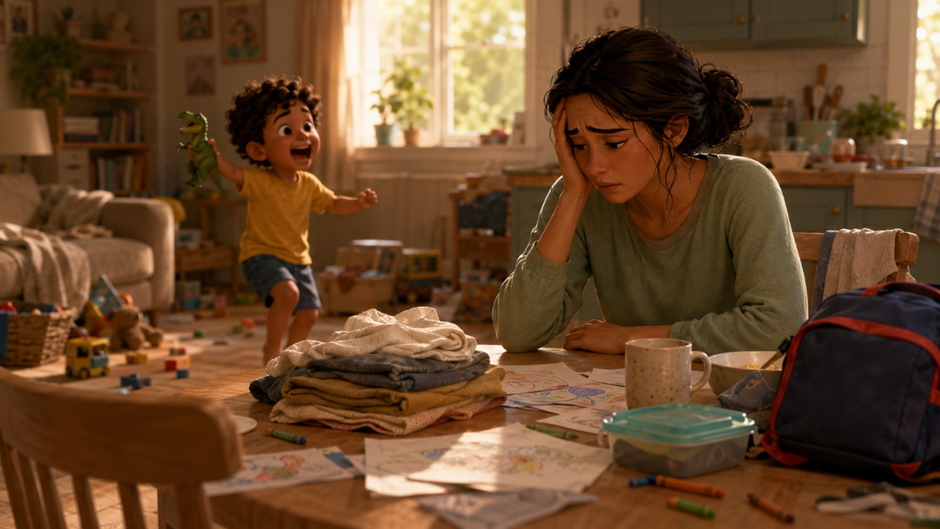
The body is tired from the usual work: meals, mess, school runs, night wakes.
The mind is tired from being a full time counsellor to a human who cannot put their shoes on the right feet.
Meanwhile, teachers and child psychologists are seeing more children who struggle with frustration, because every small discomfort at home is treated as an emergency to be removed, not a feeling to be survived.
The body is tired from the usual work: meals, mess, school runs, night wakes.
The mind is tired from being a full time counsellor to a human who cannot put their shoes on the right feet.
Meanwhile, teachers and child psychologists are seeing more children who struggle with frustration, because every small discomfort at home is treated as an emergency to be removed, not a feeling to be survived.
What Has Changed?
The Misunderstood “Validation”
Many of us learned gentle parenting through 60 second clips. Somewhere in that rush, two ideas got mixed up:
- validating their feelings
- allowing all behaviour
We began to think, “If my child is crying, I must have failed to co regulate.”
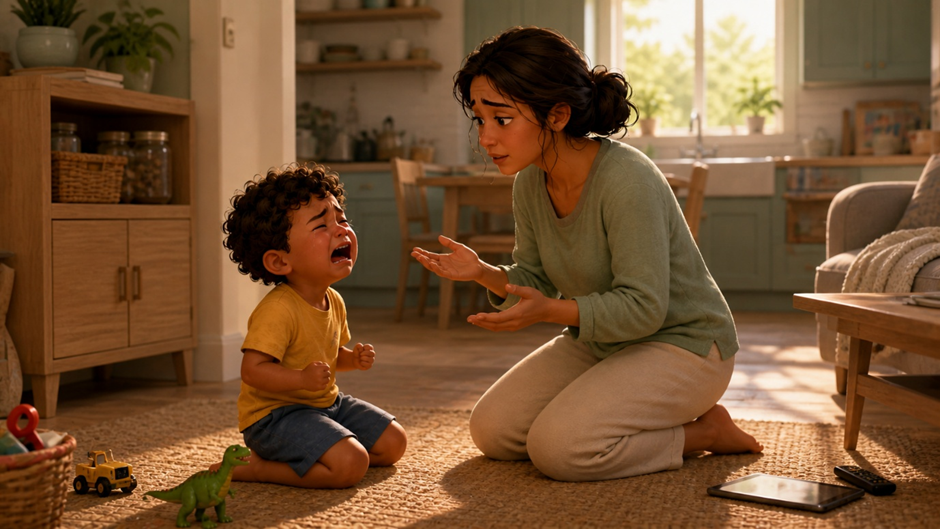
So if they cried when we said no to sweets or screens, we saw it as our failure, not their learning.
In reality, a child crying because you held a boundary is not a disaster. It is part of growing up.
We have turned normal frustration into something that feels like a crisis.
The Therapized Home
We poured therapy language into homes where toddlers mostly need clarity and calm.
We found ourselves negotiating like this:
“Do you want to leave the park in 5 minutes or 10? Walk or skip to the gate? Say goodbye to the slide or the swing?”
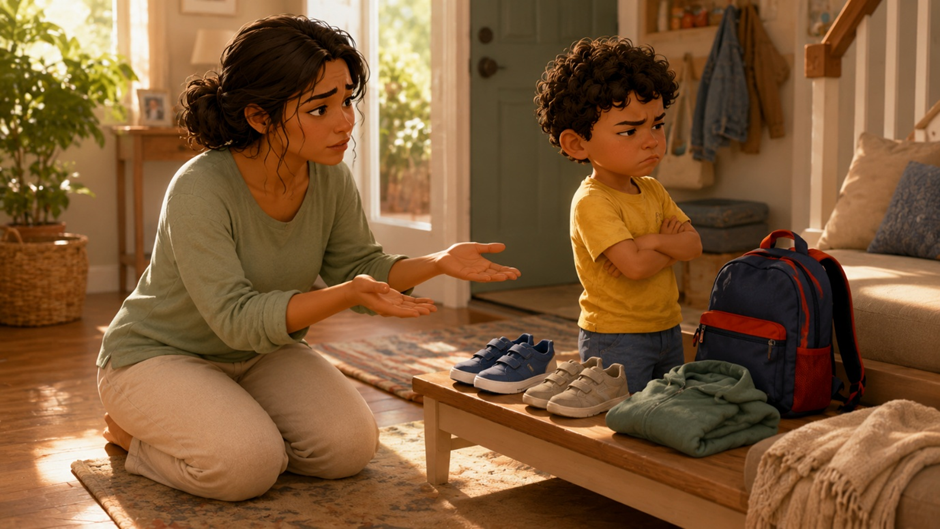
With a 3 year old who has already decided they do not want to leave at all.
We began talking to small children as if they were mini diplomats who can handle choices, long explanations, and shared decision making.
Their brains are not ready for that load. It feels like kindness, but often it is pressure.
The Guilt Economy
Social media has turned parenting guilt into content.
We are told that one sharp word, one slammed door, one frustrated reaction can “damage their nervous system” or “break attachment.”
So every human moment becomes a crime scene in our head.
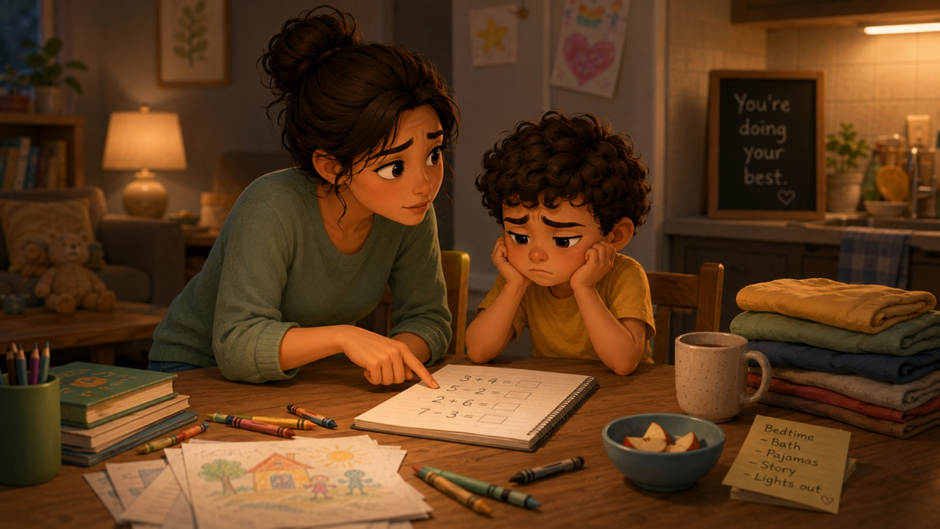
This constant fear of doing it wrong does not make us calmer or gentler. It burns us out.
The Counter Intuitive Insight
Here is the real twist:
Children do not need a martyr. They need a captain.
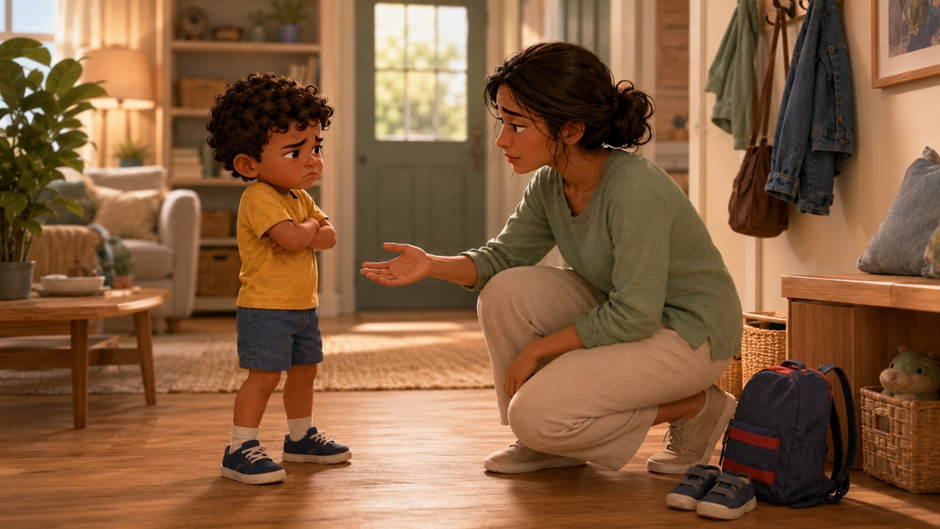
When gentle parenting is used without clear limits, the power quietly flips. The child feels like they are steering the day.
That might look like freedom. Inside, it feels scary.
A child who is searching for a wall to lean on and finds only, “I hear you, I understand you,” does not relax. They feel shaky, like a pilot asking for a runway and hearing, “I hear that you want to land. That must be a big feeling.”
Nice words. No runway.
This is why lighthouse parenting is gaining ground.
A lighthouse does not jump into the sea to hold the boat. It stands firm, shines a clear light, and says, “Here are the rocks. Here is the path.”