



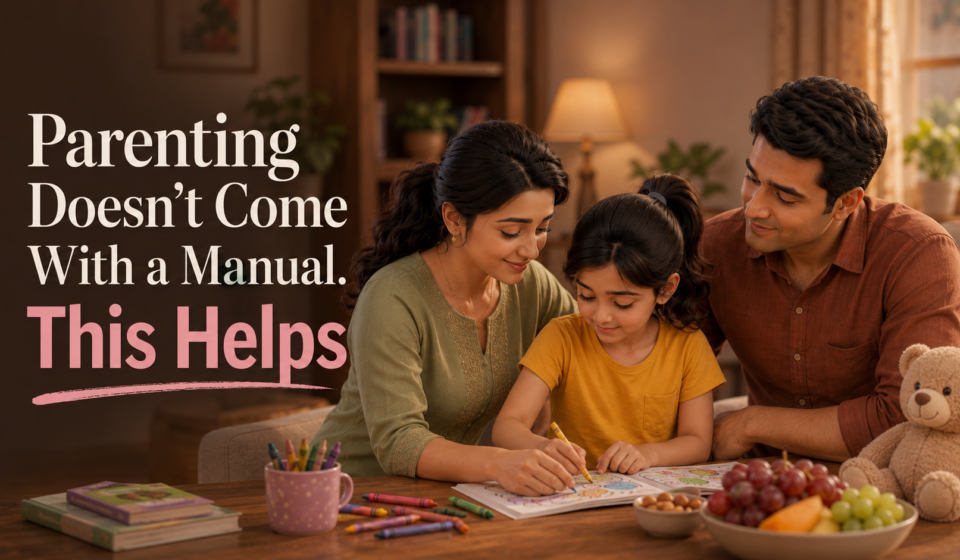
Parenting Doesn’t Come With a Manual. This Helps
As part of the Parenting for Peace: Towards World Peace Through Child Development campaign, we are proud to present a series of expert-driven articles in Balmurti magazine. These responses address some of the most frequently asked questions from parents; offering thoughtful, experience-based insights on raising children with love, care, and mindfulness.
How can parents discipline their child while still showing love and affection?
Discipline is most effective when built on a foundation of unconditional love. Children respond better when they know; without doubt; that they are loved and accepted within the family, no matter what.
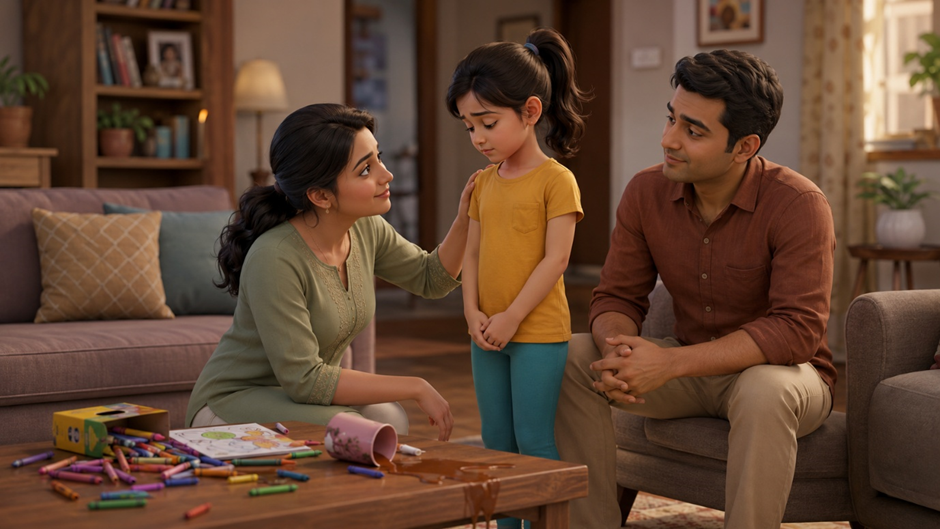
It’s important for parents to never behave in a way that makes a child feel unwanted or unloved. A simple shift in tone or timing can make all the difference. By learning how to communicate thoughtfully; at the right moment, with the right words and intention; parents can guide behavior without creating fear or distance.
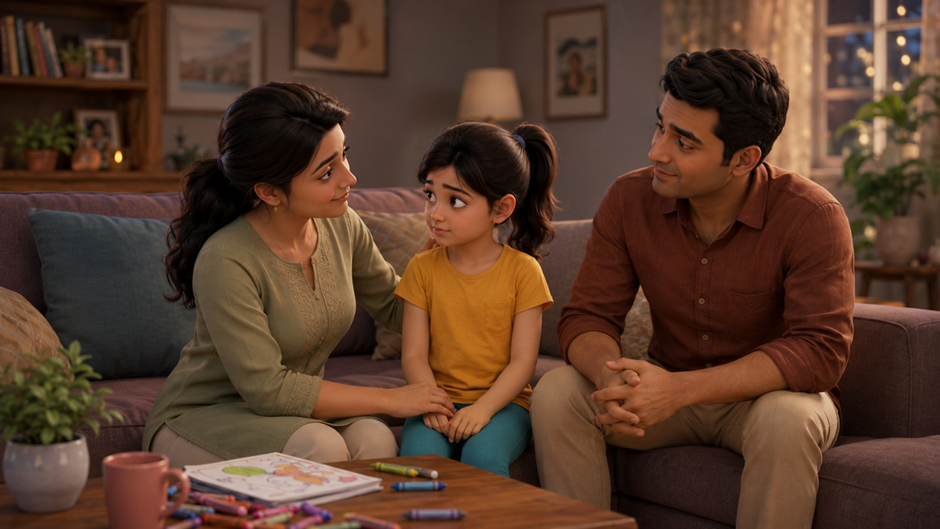
Discipline and affection are not opposites. When combined with empathy, they strengthen the parent-child bond.
What kind of environment is essential for a child’s healthy development?
A nurturing environment is at the core of every child’s well-being. Physically, children need clean, open, and safe spaces for movement and growth. Emotionally and mentally, they thrive in an atmosphere of calm, trust, and consistent warmth.
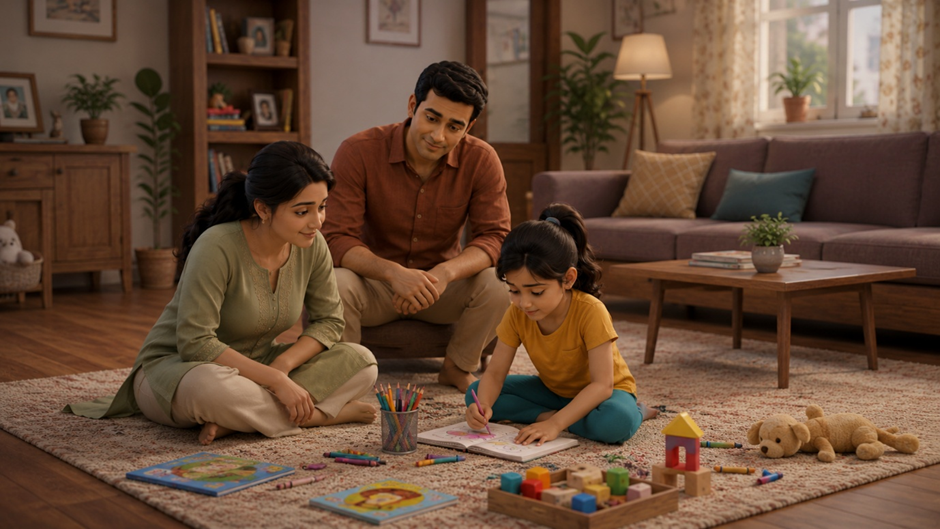
Open communication is essential. Children should always feel free to express themselves without fear of ridicule or rejection. Avoid comparing your child to others or using sarcasm as a tool to correct behavior; it can harm their self-worth.
Academic success matters, but so does balance. No child, regardless of age, should feel overwhelmed by excessive academic pressure. A truly supportive environment is one that fosters strong moral values, emotional security, and room to simply be a child.
What can parents do about their children eating too much junk food?
In today’s fast-paced world, it’s almost impossible to shield children entirely from junk food. With fast-food chains on every corner, the temptation is everywhere. But with conscious effort, healthy eating habits can still be nurtured.
Start early. Build the habit of eating freshly made, home-cooked meals and snacks. As children grow older, involve them in learning about food; its impact, its benefits, and its risks.
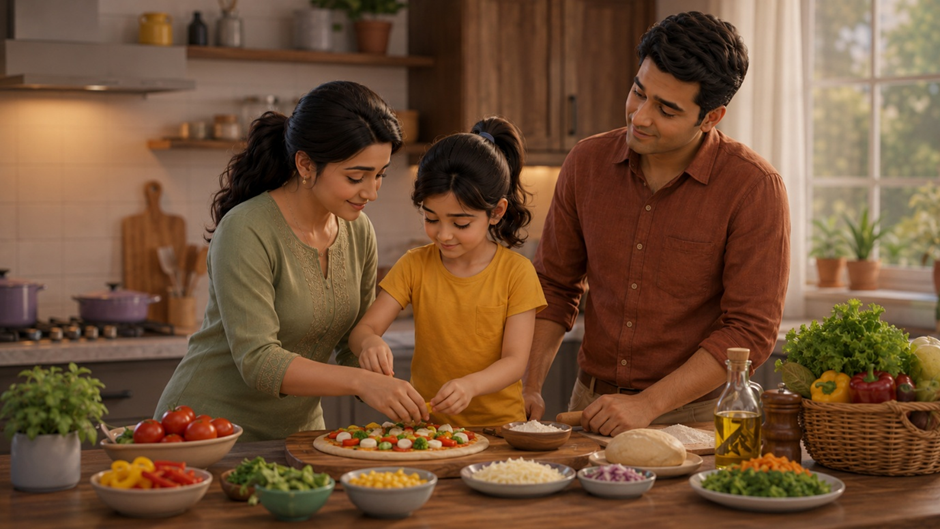
Discuss the short-term and long-term health consequences of processed and oily foods. Use internet resources, charts, or even documentaries to make the conversation relatable.
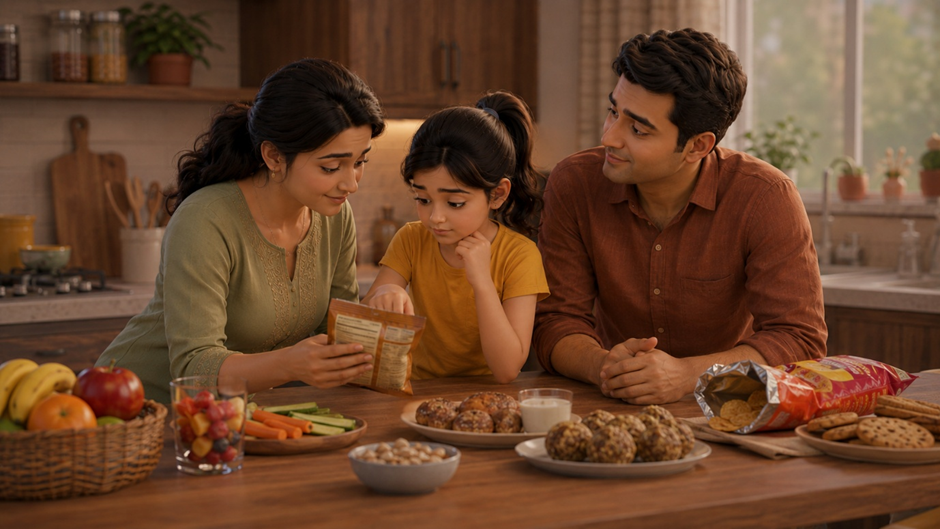
You don’t need to ban their favorite foods; just upgrade them. Prepare versions of those items at home using healthier ingredients like whole wheat or ragi flour. And when dining out, guide them toward restaurants with better hygiene and healthier choices.
The goal isn’t restriction, but informed choices.
How can sports and games benefit children?
Play is not a break from learning; it’s one of the most important forms of learning. Children develop in countless ways when they’re active.
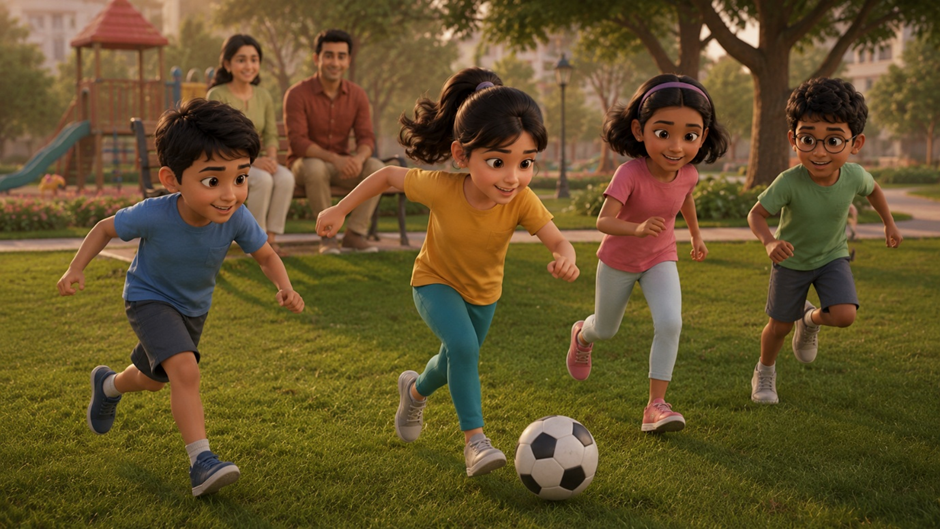
Outdoor sports help improve physical fitness, enhance muscle coordination, and aid in overall motor development. Indoor games boost focus and encourage mental agility. But beyond the physical and mental, games also teach life skills; teamwork, communication, leadership, and resilience.
Regular play also offers emotional benefits. It helps children unwind, reduce stress, and experience joy without screens or pressure. In group settings, they learn how to manage social dynamics, negotiate rules, and accept both victory and defeat with grace.
Physical activity should never be treated as optional. Every child deserves at least one to two hours of play each day; no matter how busy the schedule.