



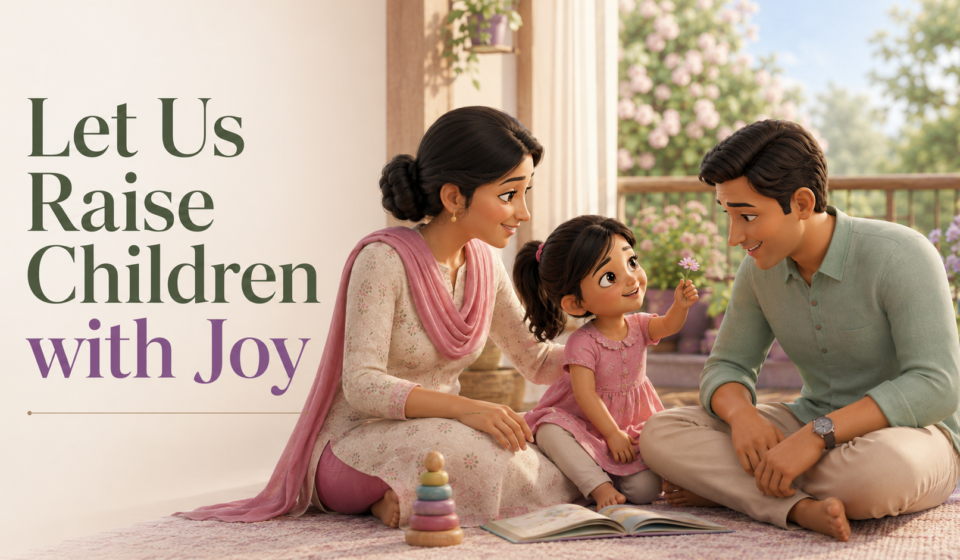

Sakshi, who was always cheerful and playful in nursery, had been looking sad and quiet for the past few days. I observed her for a while and asked, “What happened, dear? Why aren’t you playing with your friends?” Although there was no answer, her eyes and little heart revealed many questions.
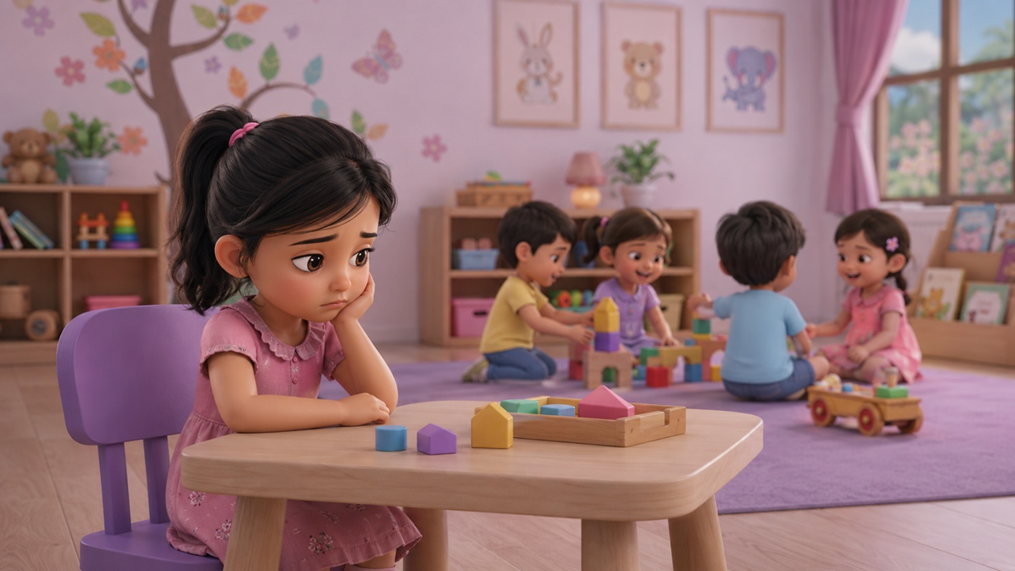
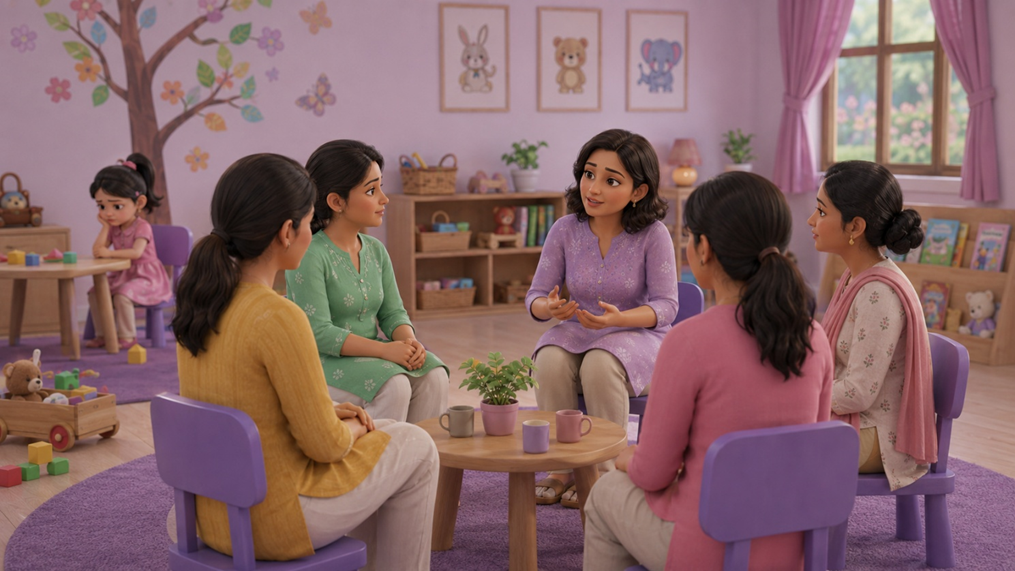
In nursery, there are regular group discussions on various topics, question-answer sessions, and meetings to share thoughts. In one such meeting, I once asked, “What quality would you most like to see in your children? Or what do you value most for your child?” Every answer was exactly as I expected. Most mothers replied: to score high marks in exams, to sit quietly and do their lessons, to obey everyone at home, one mother even said her child shouldn’t get angry at all. But not a single mother said, “I want my child to always be happy” or “I want my child to find joy in everything.”
Why is it that we don’t consider such a simple thing? Why is joy or happiness given the least priority? We should create an environment where the roots of joy in children grow deep. Happiness must be given importance and priority at home. Childhood is the most memorable and innocent phase of life. And it is such a delicate and firm time that certain things get imprinted so easily and naturally that children can neither forget them nor erase them for life. Parents are well aware of this fact.
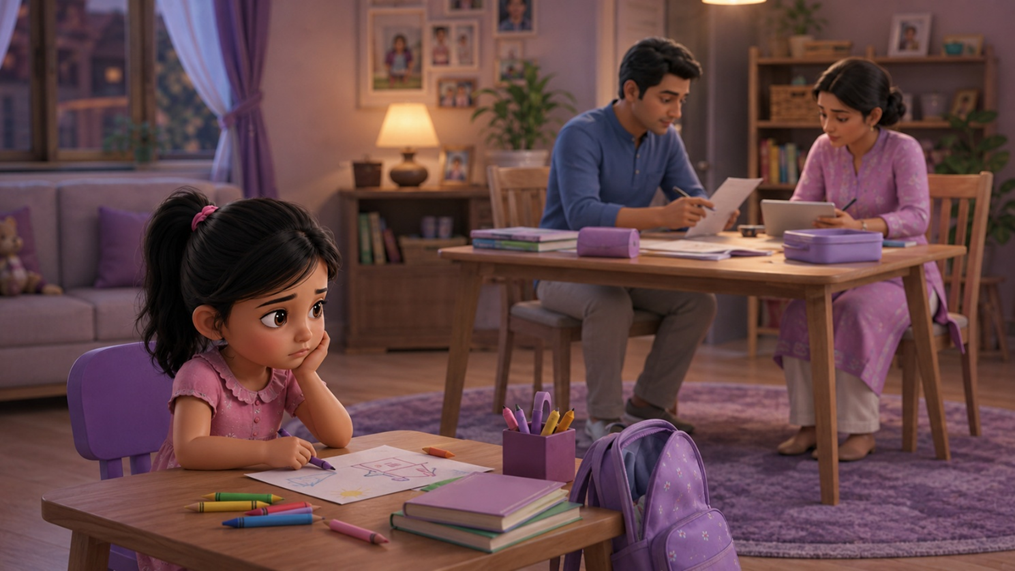
If we observe at home, we’ll notice, if mom or dad raises their voice even slightly, the child tends to move a little away, but their ears and heart remain eager to listen. And if the same mom and dad are laughing and joking, the child immediately comes closer and joins in. Why is this so?
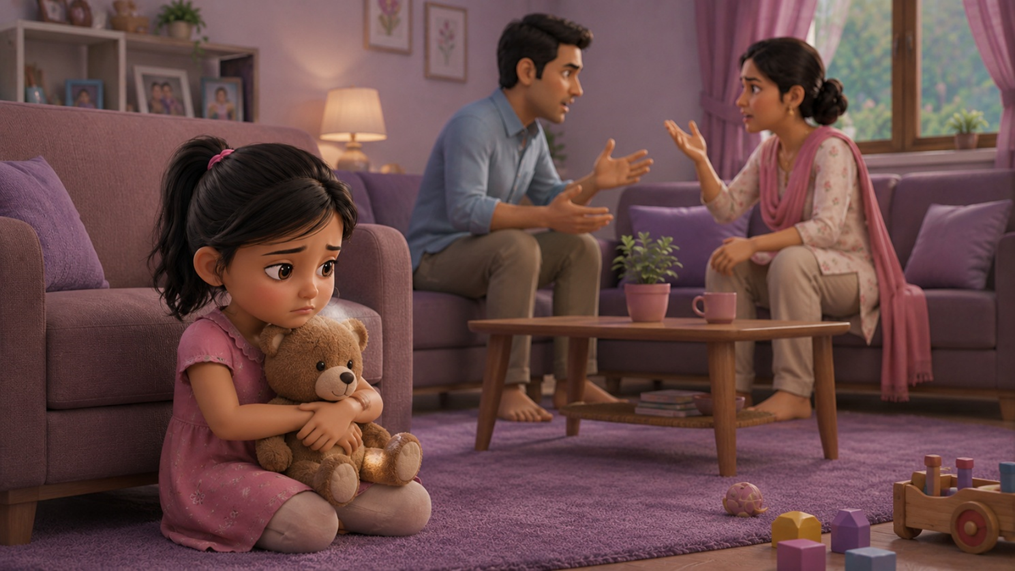
Many mothers have told me that their child gets angry a lot, doesn’t eat, or doesn’t answer properly when asked questions. The root cause isn’t far, it’s the atmosphere at home. The first impact is always on the child. This is my experience, and one worth repeating often. One day, I told the mothers, “For the next 10 days, neither mom nor dad should speak loudly to the children or among themselves. And as much as possible, have cheerful conversations with each other.”
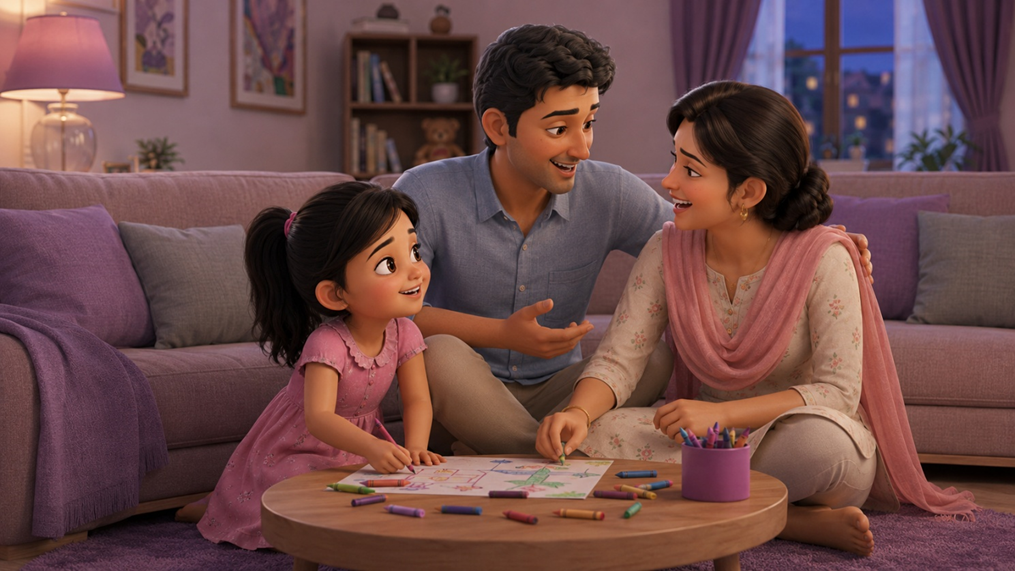
There was no need to ask about the results of this experiment, just seeing the mothers’ faces in the next meeting said it all.
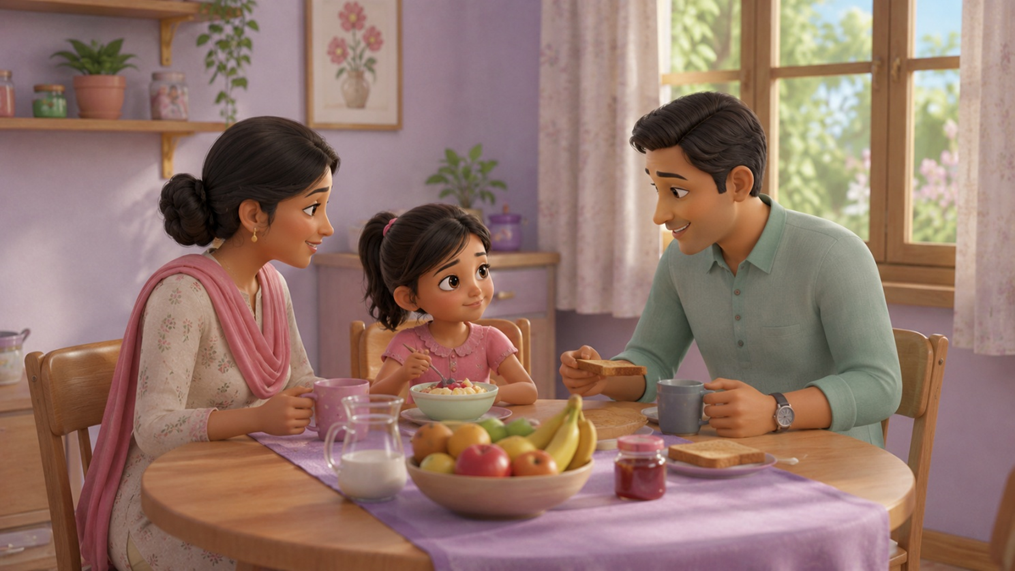
For children, their parents are their whole world. Mom and dad are the first people who have the deepest and most direct impact on their minds. It’s not only through conversations or arguments that children grasp things, they often understand the entire situation just from our facial expressions. And of course, they imitate mom and dad.
By using positive dialogue, joyful humor, and by observing and appreciating one another with a sense of respect and high emotion, we can give children the wonderful experience of subtle awareness.
No matter what age the child is, mom and dad should take time every day to have a fun conversation or lighthearted talk with them and include them in their joyful atmosphere. This will strengthen the emotional bond with the child. And this will have a deep and direct impact on the child’s routine and life development, no doubt about it.