



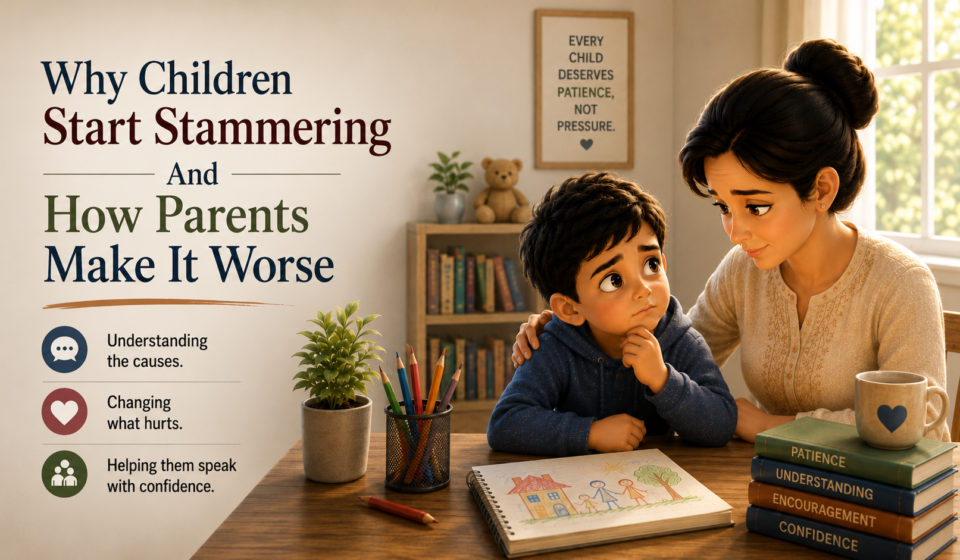

“Mmm… Mumm… Mummy, look, hhh… how fff… fine that is. Mmm… please get it for mmm… me…”

“Look, you stammered again! Speak properly, otherwise everyone will laugh.”

For many parents, a child’s stammer becomes a source of embarrassment. Naturally, this leads to worry. As a result, the child is constantly told to speak clearly, and at times even warned or scolded. Friends may laugh at a child who stammers, and this can leave the child feeling deeply self-conscious and inferior. Slowly, they may begin to speak less and less with others. This is a very common reaction.

Let us understand this difficulty more closely. Stammering is a problem that begins in childhood. It usually appears in mentally and emotionally stressful situations. It is seen more often among children growing up in rapidly developing urban environments.

Stammering is one of the most common speech-related difficulties. Around 1 percent of the population is affected by it. In 70 percent of cases, the difficulty begins by the age of five, and in 90 percent of cases, by the age of seven. In other words, this is a childhood-onset condition. Let us look at how it begins. Nearly 10 percent of children, while learning to speak between the ages of two and three, may normally go through a phase of stammering. This happens because, while learning to speak, the child’s tongue may momentarily fail to keep pace, and speech may stop. When the child tries to gather the words and speak again, it takes time. During that time, the same word may be repeated several times. This is completely normal. Most children move through this phase quite naturally and go on to speak normally. But some children continue to stammer even after the age of four or five.
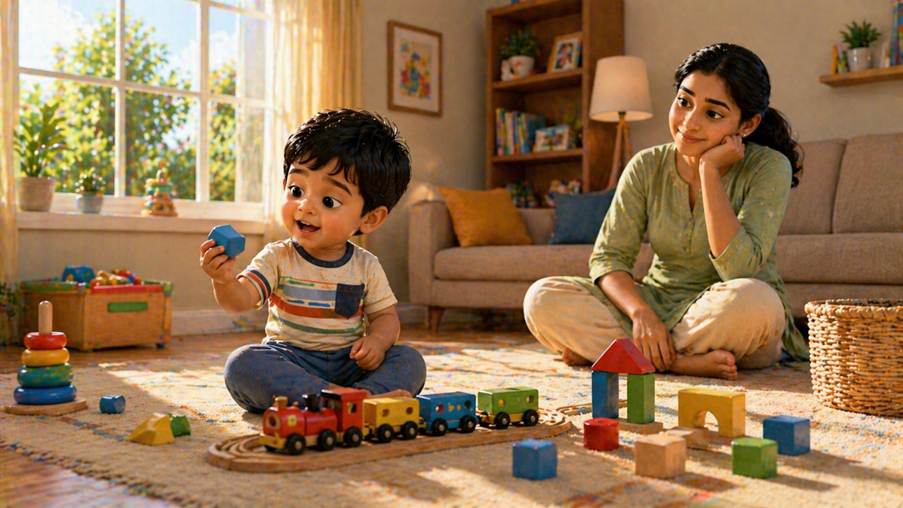
So, which children continue to stammer for a longer time? After detailed study of many such children, researchers have concluded that this difficulty becomes more common in certain family situations. For example, when there is a rigid insistence on discipline in the family, when there is excessive control over the child, when there is overprotection, when even small matters are handled with fear and over explanation, when there is pressure to be precise and perfect in everything, when parents have little time for the child, or when there is frequent conflict at home, the atmosphere becomes stressful. If, during the child’s early speech development, there are pronunciation slips, repeated use of the same word, or clear signs of stammering, then in such families this issue often receives more attention than necessary, and the child is pushed to speak perfectly. As a result, the child becomes overly conscious of speaking and may stammer even more. Sometimes, after the stammer is identified, parents become so anxious and so determined to correct it that the stammering increases instead.
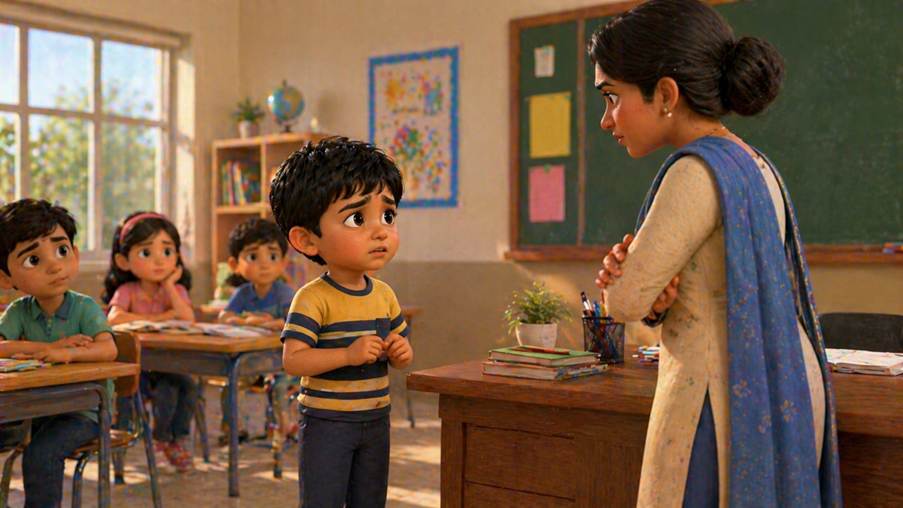
It is often seen that more than one person in the same family may stammer. However, it has still not been proven that this is a hereditary difficulty. In the same way, this problem is seen more often in males than in females. Children who stammer may also be slightly delayed, compared to other children, in learning to walk and speak. Their IQ may also remain average or below average.
A person who stammers knows very well what they want to say, but while speaking, they get stuck. The same word may be repeated again and again, with long pauses in between. While speaking, the tongue may seem twisted or difficult to control. Along with this, the mouth, jaw, and sometimes even the body and limbs may show unusual movements. There is one more striking feature. Stammering often depends on the situation. It is quite common to see that a person may not stammer at all while speaking alone, singing, talking to animals, or speaking with someone they deeply trust.
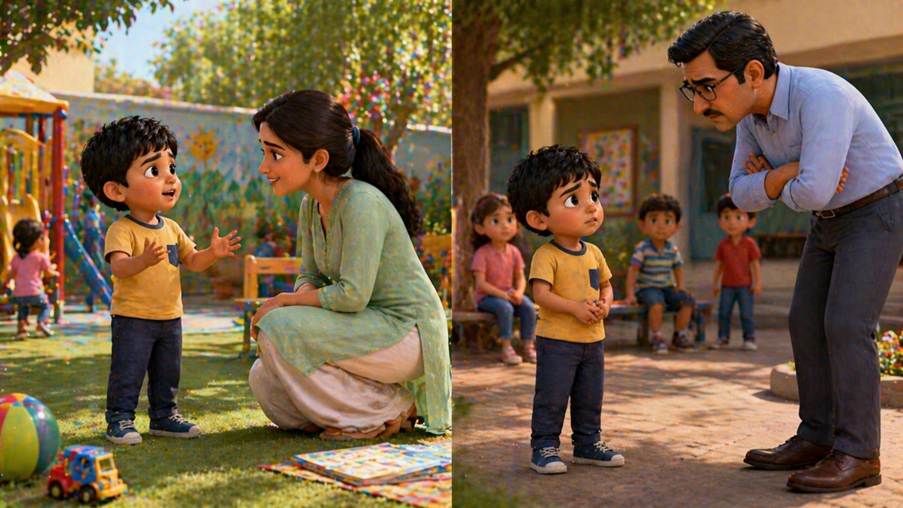
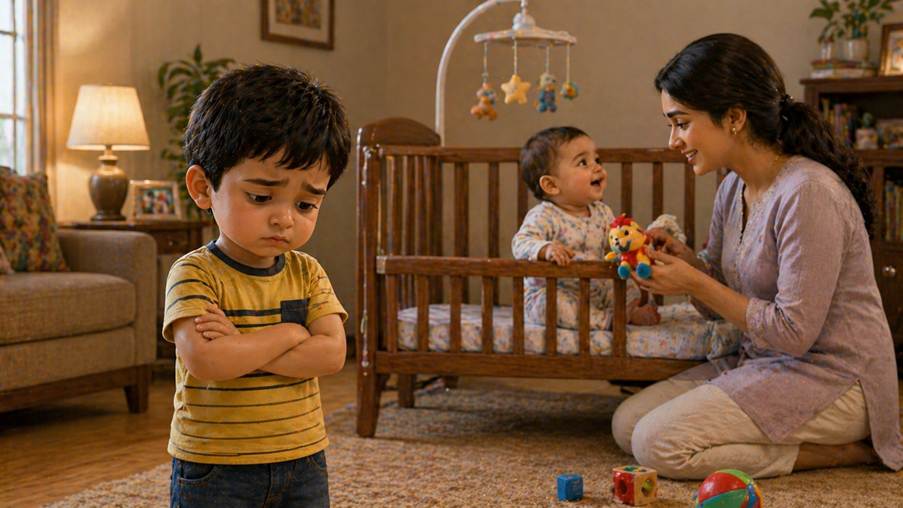
This difficulty often develops in mentally and emotionally stressful situations. For example, when a new baby arrives in the family, such as the birth of a younger brother or sister, the older child may naturally feel jealous. There are many ways in which jealousy can be expressed, such as hitting the younger child, quarrelling, or becoming irritable. But instead of expressing it in those ways, the emotional strain of jealousy may make the older child begin to stammer. In the same way, this difficulty may begin in other emotionally stressful situations too, such as changing schools, the death of a deeply trusted and loving person, a father or mother staying away from home for a long period, or conflict within the home. That is why, for such reasons, stammering may become especially noticeable while speaking with a particular person the child dislikes or feels uncomfortable around. For example, a child may speak normally with the father, but if the mother strongly insists on discipline, the child may begin to stammer while speaking with her. Another surprising observation has also been made. If a child is naturally left-handed, and the parents insist that the child should do everything with the right hand, the child may begin to stammer. One more noteworthy observation is that stammering is seen more often in children from rapidly developing urban societies than in rural children.
Parenting Tips for Children Who Stammer
Most children between the ages of two and four who stammer become normal on their own. So there should be no special effort to correct them or force them to learn to speak in a certain way. However, to prevent the stammering from becoming permanent, it is important, as explained in this article, to ensure that no stressful mental condition develops around the child.
If a stressful mental condition is noticed, steps should be taken to address it.
While talking with children, give the child more opportunity to speak than you give yourself. If this does not happen, and the child feels they are not receiving full attention, they may become confused and the stammering may increase. This can happen in everyday situations. For example, when there is a lot of work at home, and the mother, or a father who has returned home exhausted from outside, responds only with “hmm” or “yes” while remaining busy in their own world, even when the child comes eagerly to talk.

If a child older than four or five continues to stammer, they should be taken to a speech therapist before reaching school-going age. When families try to correct the child’s speech by themselves at home, many kinds of mistakes can happen, and the situation may worsen. There are many scientific methods available for the treatment of stammering, and speech therapists can guide families through them.
“Tongue tie,” which means that the tongue is attached to the floor of the mouth in such a way that the child cannot extend it properly, does not cause stammering. So surgery for this does not help in such cases.
This difficulty does not improve overnight. During the process of improvement, there may be phases of setback as well. That is why patience is absolutely essential.