


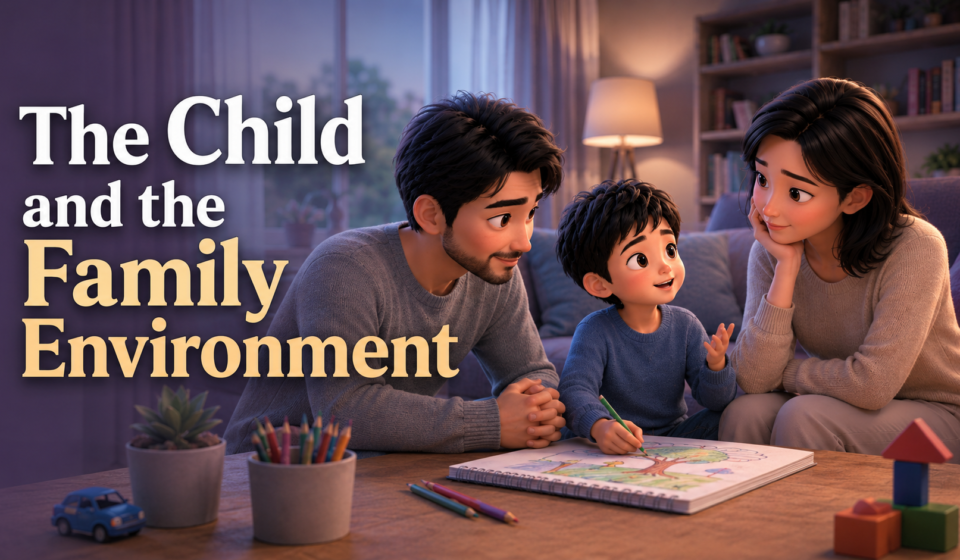

What kind of person do you want your child to become?
That question might sound simple, but it’s the starting point for every parenting decision that follows. By the time a child turns seven, their nature is already taking shape. Which means we don’t have years to wait. We need to start early, and we need to be deliberate about the atmosphere we create at home.
Table Of Content
- What kind of person do you want your child to become?
- Parenting isn’t just a role. It’s a responsibility.
- Home is the child’s first classroom.
- You want better parenting? Start with yourself.
- A child needs more than rules. They need respect.
- Children don’t need all the answers. They need to be heard.
- Don’t overshadow your child. Let them grow in your light, not your shadow.
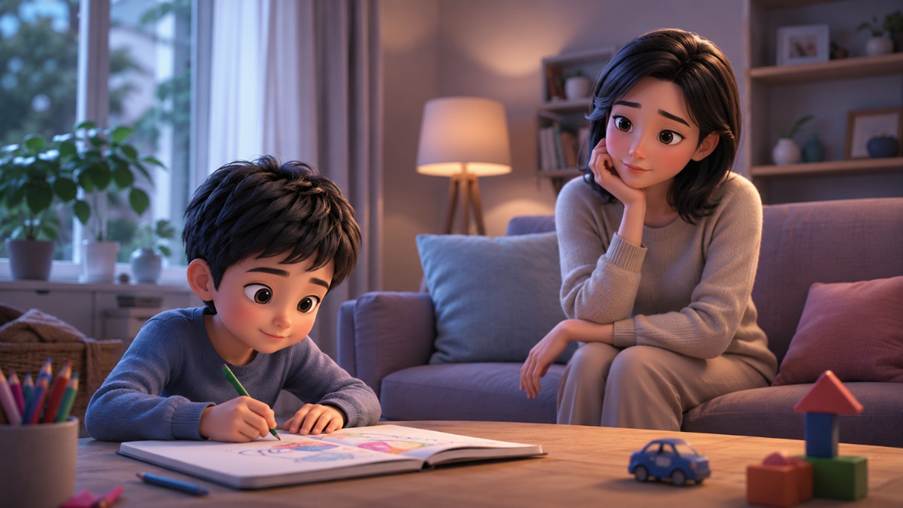
If you want your child to treat you with patience and understanding as you grow older, start showing that same respect and patience now; while they’re still learning how to be in the world.
Parenting isn’t just a role. It’s a responsibility.
You don’t become a real parent the moment your child is born. You become one through the choices you make, through your presence, and through the way you respond. A child is born. But in that moment, so is a mother and a father. And that version of you will shape the version of them.
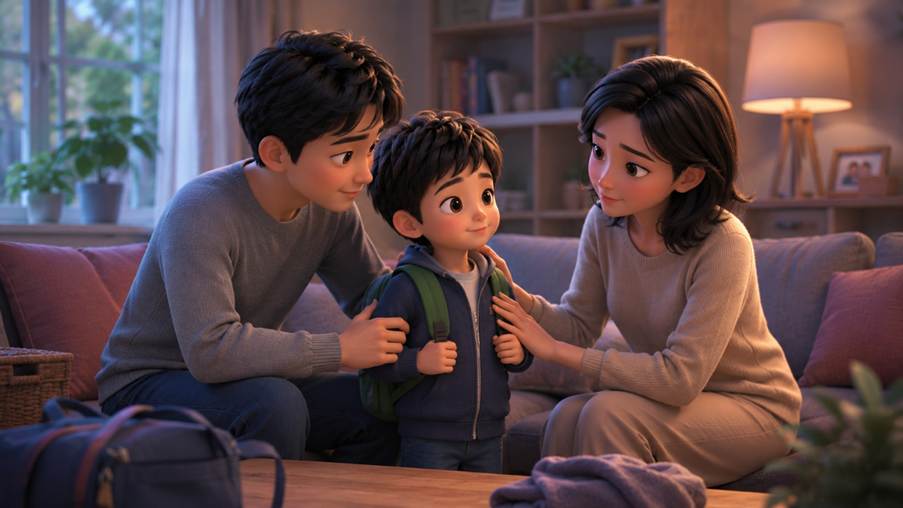
A child’s development doesn’t start at school. It begins quietly, in the womb. You may not see it, but it’s happening. They’re picking up signals. After birth, those signals get louder. The first time a mother holds her child, the process deepens. That first touch; warm or worried, calm or rushed; teaches them something.
Home is the child’s first classroom.
Before they meet the world, children meet their family. That space becomes their reference point. It’s where they learn how to express themselves, how to ask for help, and how to feel safe.
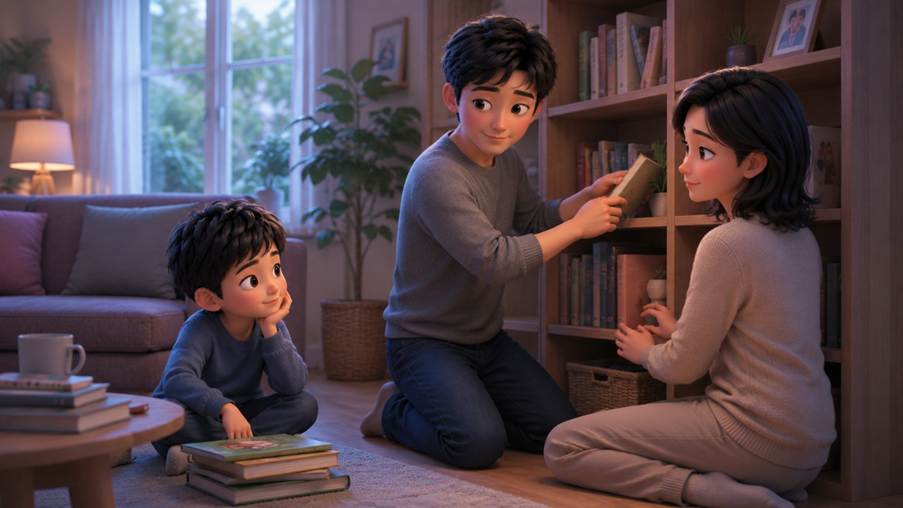
Children don’t need a schedule or a syllabus. They don’t need flashcards or five-step plans. They learn by watching. They absorb everything. And that makes parents their first and most powerful teachers.
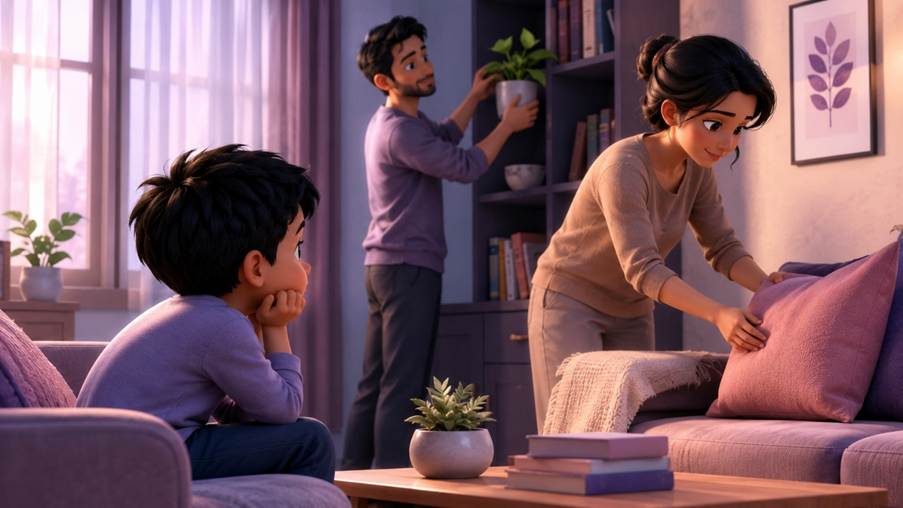
But here’s what often gets in the way. Too many parents start with transactions:
Eat this, I’ll give you a reward.
Do this, I’ll buy you something.
If you don’t do this, no cartoon.
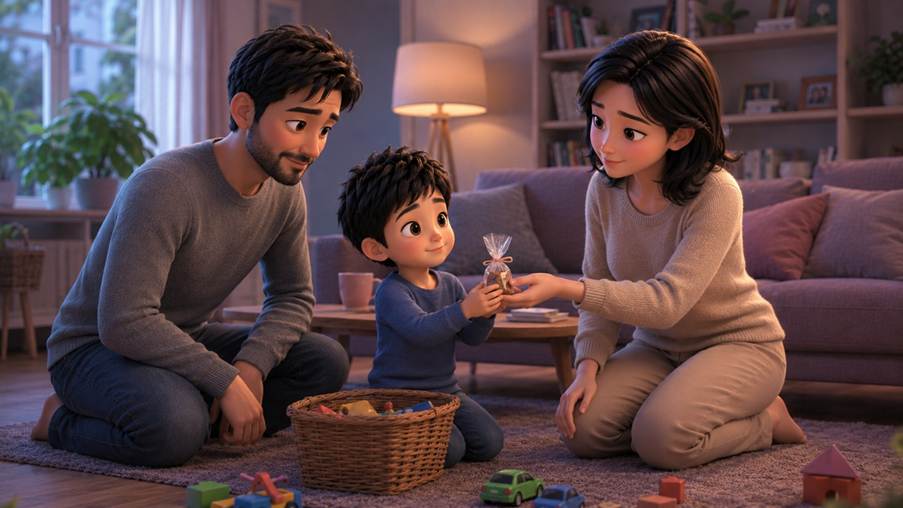
That style teaches children to associate effort with payoff. They learn to act only when there’s something in it for them. That habit doesn’t disappear on its own. It grows.
You want better parenting? Start with yourself.
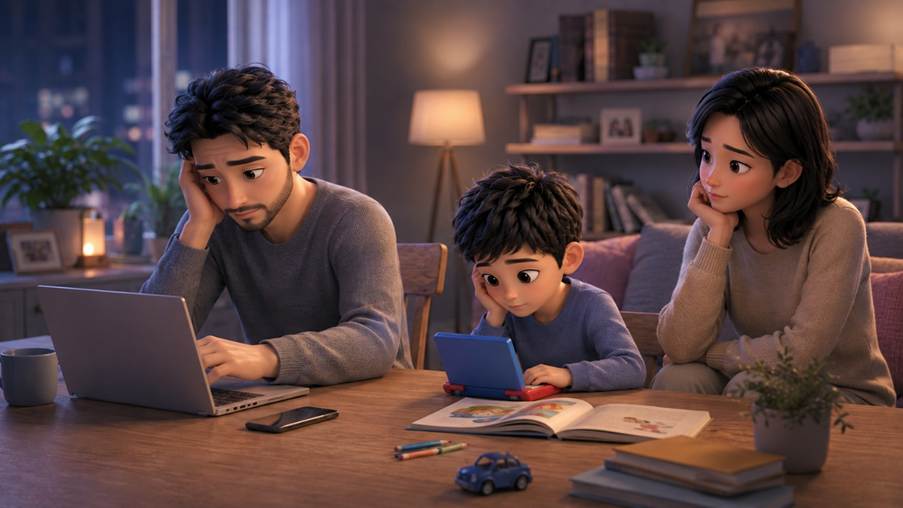
If you’re tired, irritable, or constantly unwell, that affects how you parent. Kids feel it. Especially in joint families, your habits and moods become part of the environment they grow up in.
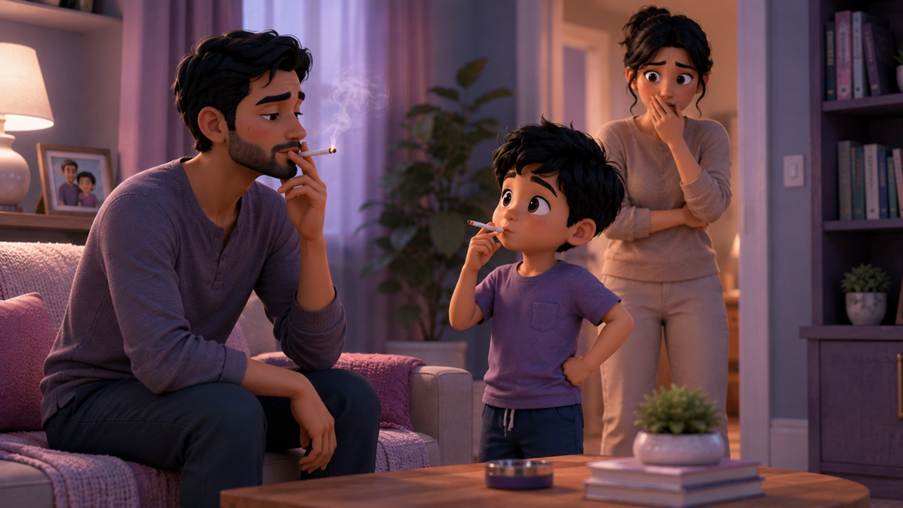
Vinod Bhatt once wrote about his father, who used to smoke. One day, Bhatt’s young son picked up a cigarette stub lying by the door and put it in his mouth. The grandfather saw it and quit smoking that same day. For good.
Writer Dhiruben Patel shared that her father brought her a new book every day. That routine became the seed for her own writing. He gave her space to think, decide, and grow. That’s what she remembered. That’s what lasted.
Children never forget how they were made to feel. They remember tone, body language, and energy. It sticks. Long after the reward is forgotten, the emotional imprint remains.
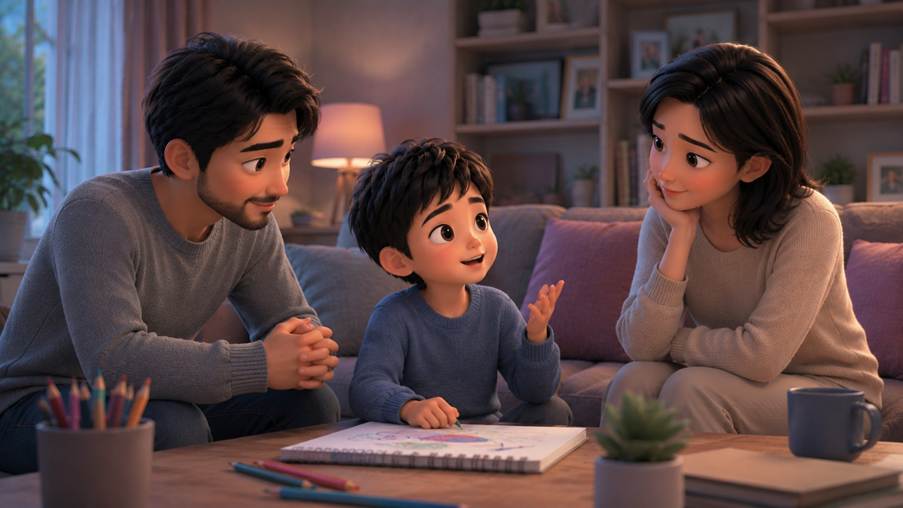
A child needs more than rules. They need respect.
Constant criticism creates anxiety. Mocking creates fear. Encouragement, when honest and well-timed, builds quiet confidence.
Love isn’t just important. It’s the core. A child who is loved deeply and steadily is less likely to lose their way. That doesn’t mean indulgence. It means presence. It means making time, listening with care, and noticing what matters to them.
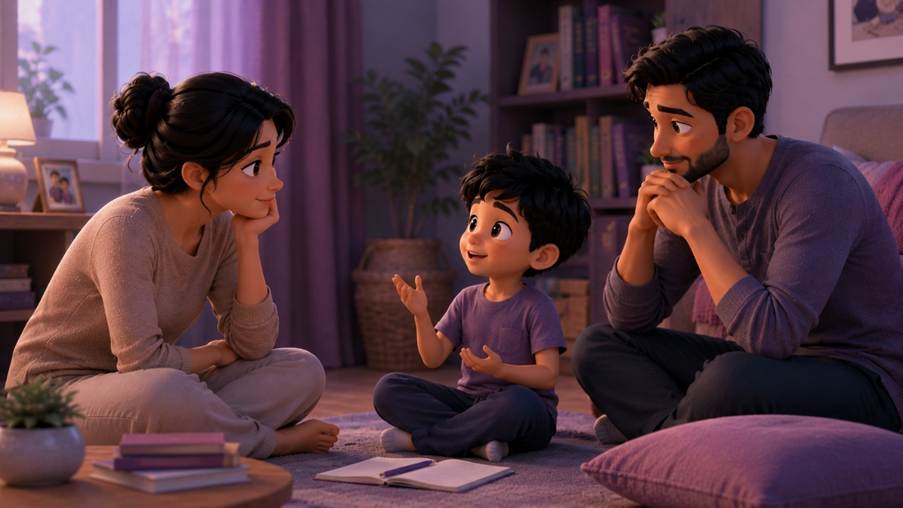
Sushilaben Bhatt, daughter of educationist Gijubhai Badheka, once shared that her father set up a small home library for them. Every night, they’d talk about what they read. He asked questions not to test them, but to understand what they liked. Through that, he built a habit of reading, thinking, and expressing. Nothing dramatic. Just consistent care.
Children don’t need all the answers. They need to be heard.
Too often, we dismiss them:
You don’t know anything.
Don’t talk back.
Stop being so smart.
Every time we say this, we chip away at their confidence. It doesn’t take much for a child to stop sharing. And when that happens, it’s not easy to bring them back.
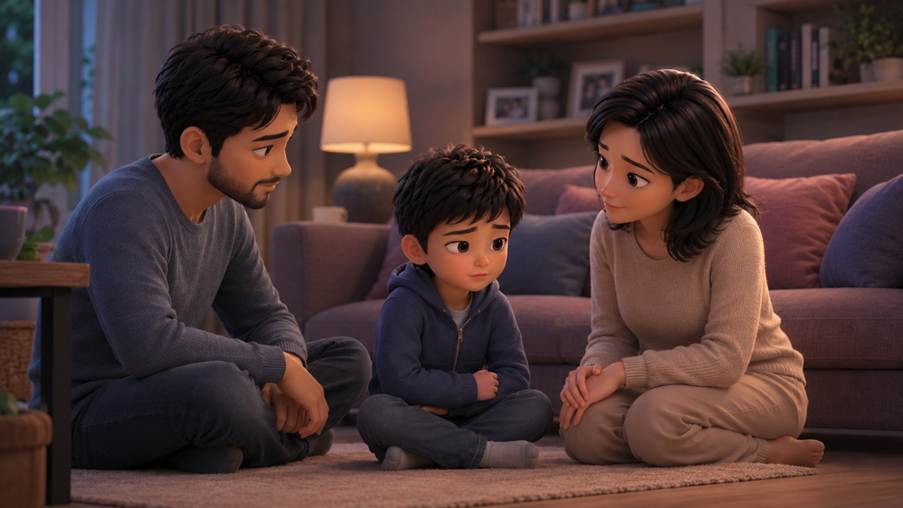
Listening isn’t about agreeing. It’s about making space for their voice. A child who feels heard grows up believing their voice matters.
Don’t overshadow your child. Let them grow in your light, not your shadow.
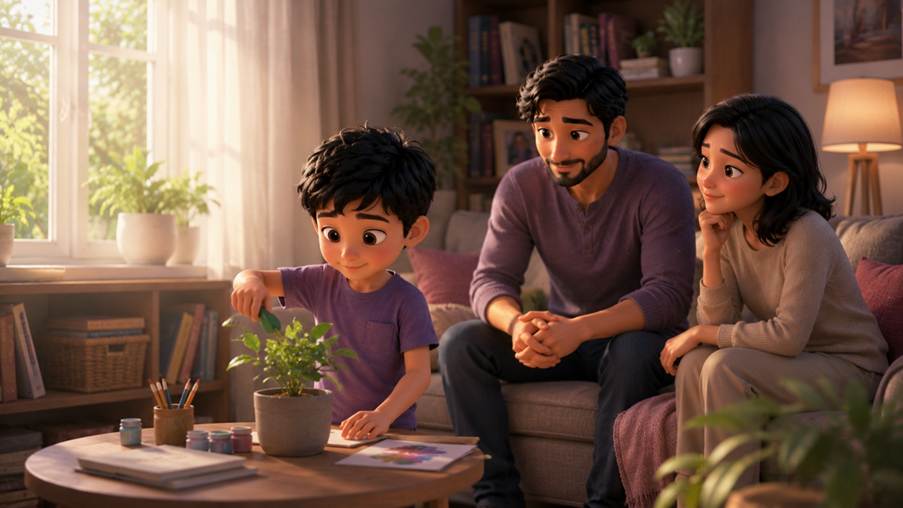
Some parents are so strong-willed, so dominant, that the child gets pushed aside. It’s like a small plant growing under the thick branches of a banyan tree. Without sunlight, it won’t grow.
That’s the risk when we overpower instead of guide. There are countless examples of brilliant, well-intentioned parents whose children lost their way because they had no space to be themselves.
What this really means is: show up fully; but leave room for your child’s individuality to breathe.