


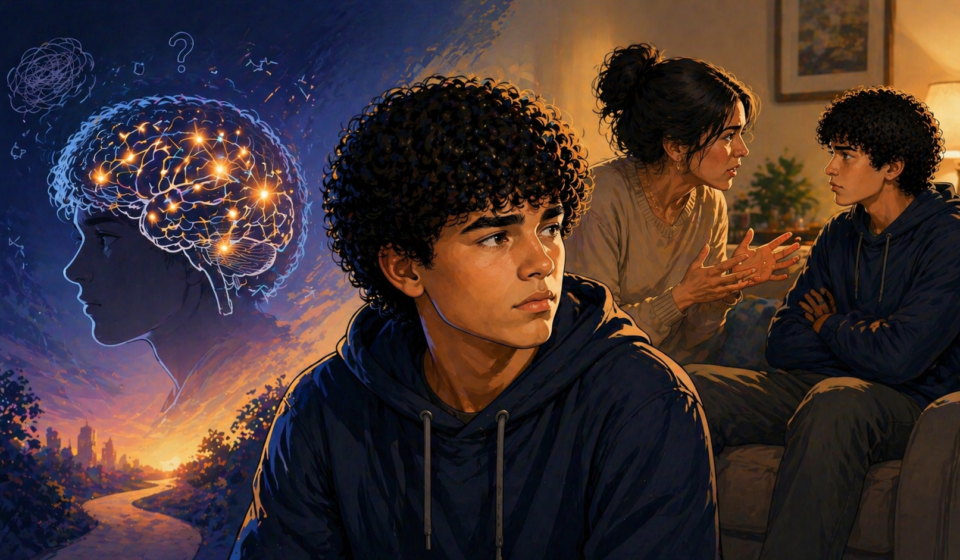


Parenting isn’t for the faint-hearted. And when it comes to raising teenagers, even the calmest parents can find themselves stretched thin. Adolescents don’t just grow; they erupt. They question authority, resist routine, seek freedom, and often pull away from home in favour of friends. They get swept up in trends, caught between identity and rebellion, and are fascinated by appearance, music, films, relationships, smartphones, and social media. They’re not just growing up; they’re trying to break free.

No wonder it feels like a constant tug-of-war at home.
But here’s something worth pausing for: childhood and adolescence, as we define them today, are modern inventions. Most animals don’t have a prolonged childhood. A baby animal becomes independent within days or weeks of birth. By comparison, humans are considered children for nearly a decade and adolescents until their twenties. This elongated period of development is largely a byproduct of post-war education systems, economic shifts, and global technological change.
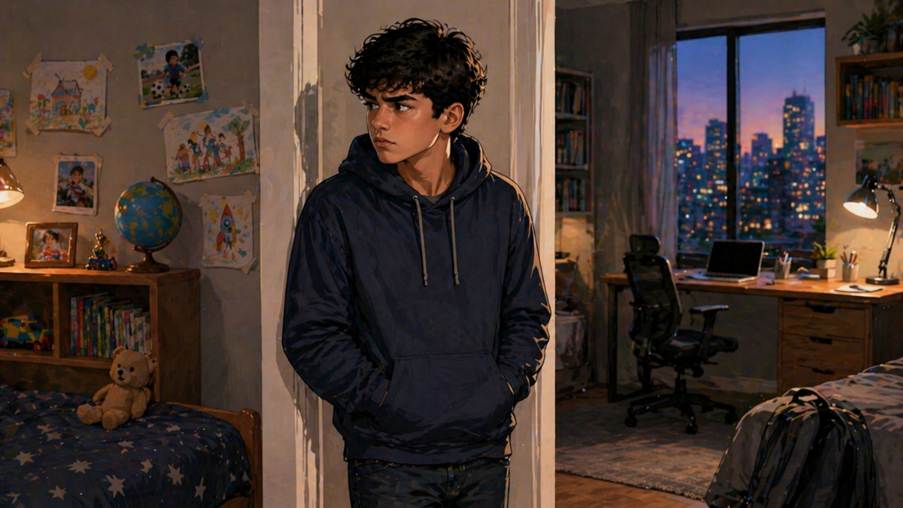
Society still doesn’t hand over full independence to teens. They can’t legally marry, drive, or engage in adult responsibilities; yet they’re not children either. They’re somewhere in between, and often, that “in-between” is misunderstood.
Much of this confusion lies in the brain.
The adolescent brain is a work-in-progress. Neurologically, many of the brain regions tied to decision-making, emotional regulation, and self-control are still under construction. The part of the brain called the frontal lobe; just behind the forehead; is responsible for making smart decisions, planning ahead, and keeping emotions in check. In teens, this part isn’t fully developed yet. Which means they tend to make decisions in the moment, led more by emotion than logic.

This isn’t laziness or carelessness. It’s wiring.
That’s why teens often act impulsively; speeding on bikes, engaging in risky relationships, or falling into substance use. Their brain isn’t yet equipped to weigh consequences the way adults do. In fact, the frontal lobe doesn’t fully mature until around age 25. Until then, expecting teens to consistently regulate their behaviour the way adults do is not only unrealistic; it’s neurologically unfair.
During this stage, the brain is also undergoing a deep clean. New neural connections are formed, and old, unused ones are pruned away. This is the brain’s way of becoming more efficient. Think of it like a gardener trimming a wild plant to help it grow better. Nature does the same with the adolescent brain, strengthening what’s useful and clearing out the rest. And this process doesn’t happen overnight. It takes time, often years, and the frontal lobe is the last to mature.

So if your teen stays up binge-watching movies, stays glued to their phone, or sleeps till noon, it’s not necessarily a sign of laziness; it’s a reflection of their shifting brain patterns.
Here’s another layer: the experiences that teenagers seek out also shape their brain.
Whether it’s thrillers, music, sports, poetry, or learning a new language; activities they enjoy create strong neural pathways. The more time they spend doing something, the stronger that part of their brain becomes. If they’re obsessed with their phones, that obsession is being wired into their brain. You can’t snip that wiring overnight. This is why bans and punishments often don’t work. What’s needed instead is mindful redirection, not force.
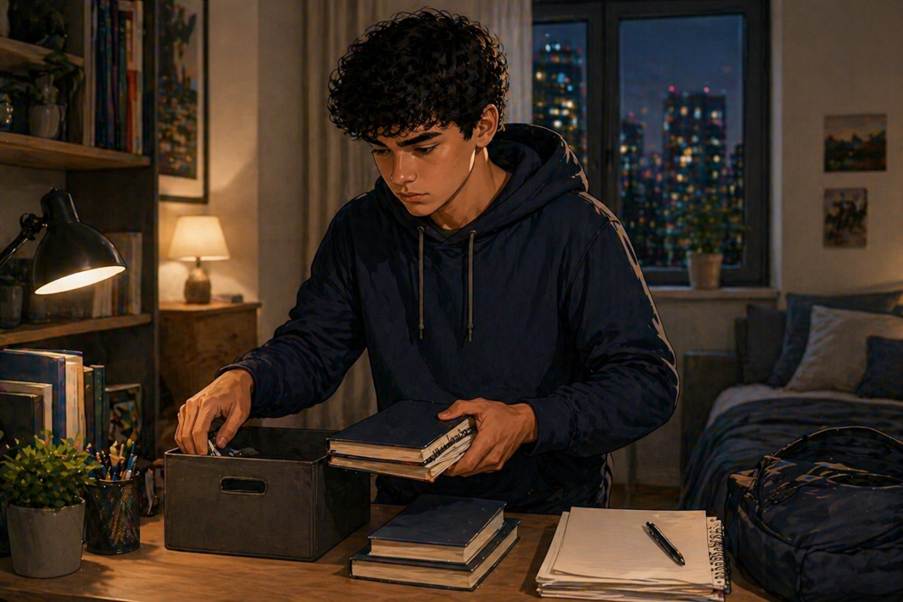
There’s also an emotional gap at play. While adults process events using the frontal lobe, teens rely more on the brain’s emotional centre; the limbic system. That’s why something that might make an adult slightly anxious can send a teenager into a full-blown meltdown. Gut reactions are more intense at this age. That flutter in the stomach when they hear bad news? It’s real. The reaction isn’t just emotional; it’s physiological.
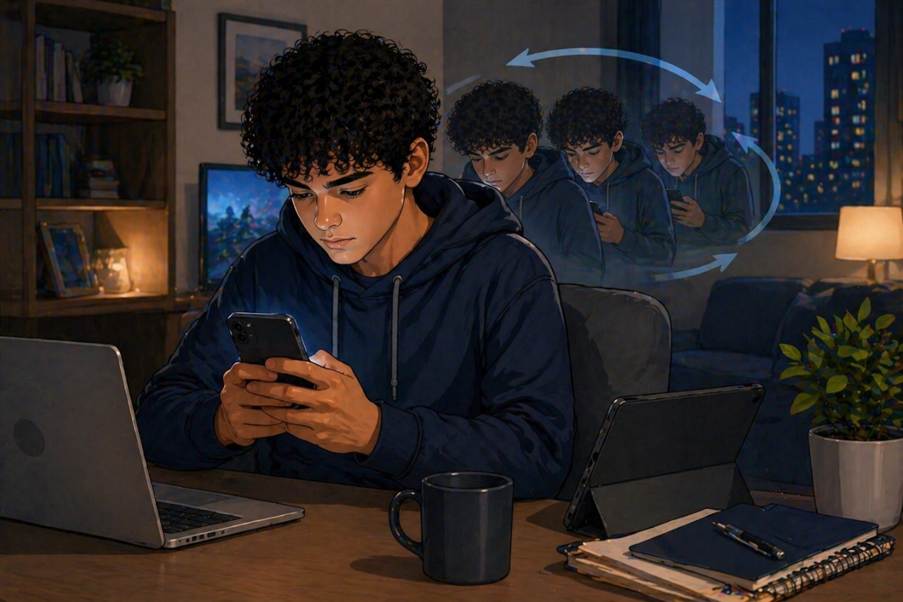
Within the limbic system is the amygdala, the part responsible for aggression and stress. It’s more active in teens than in adults, which explains their mood swings. One moment they’re cheerful, the next anxious. Sometimes hopeless, sometimes full of energy. These emotional ups and downs aren’t personality flaws; they’re the natural turbulence of a developing brain.
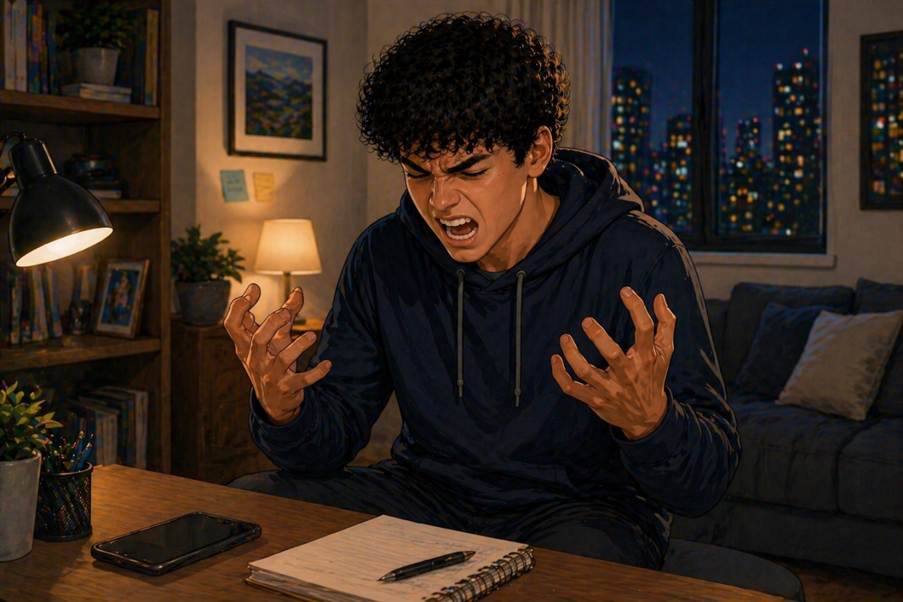
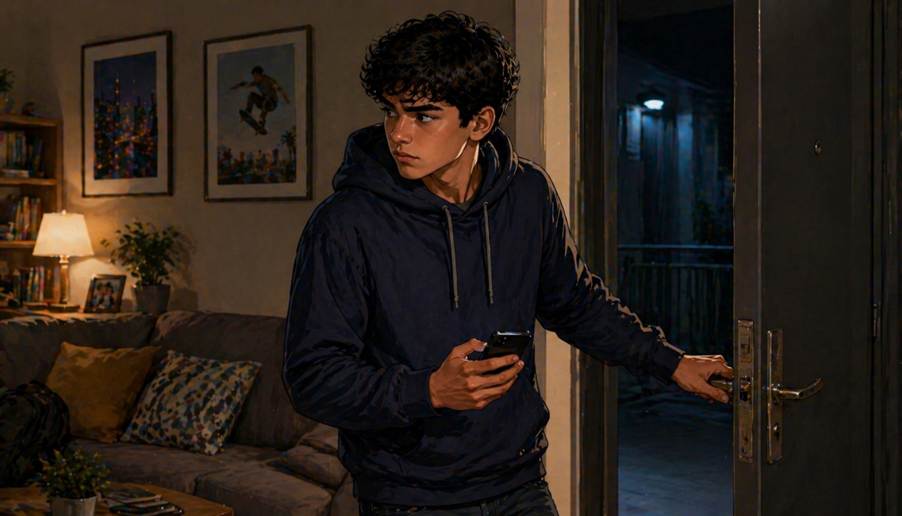
And there’s more. The part of the brain called the nucleus accumbens, which controls the brain’s reward system, lights up when teens take risks. This means that when a teen pulls off something daring; be it breaking a rule, sneaking out, or trying something bold; they feel a rush of internal victory. This reward system is far less active in children or adults, which is why teens are uniquely drawn to danger and drama.

So Where Do Parents Fit In?
Here’s the thing; just because this behaviour is natural doesn’t mean parents have no role. We’ve all been there. The difference is, now we’re on the other side. Remembering our own teenage years can be a surprisingly powerful parenting tool. Instead of constant criticism or control, what teens need most is understanding.

Your teenager isn’t broken. They’re developing.
Your role isn’t to shut them down, but to gently guide them through. Avoid assumptions like “all teens are stubborn” or “they’ll never listen.” These beliefs won’t get you anywhere. But empathy will.
Talk to them like a friend, not a commander. Share advice with care, not control. They may not listen to orders; but they will listen to someone who truly listens to them.

Conversations around screen time, relationships, or peer pressure don’t have to be confrontational. A heart-to-heart, without judgement, often works far better than strict rules. And most of all, be the example. Teens notice what you do, not just what you say.
If your teen sees you handling stress calmly, treating people kindly, or solving problems thoughtfully, they’ll pick it up; sometimes without even realizing it. Show them how to navigate life, don’t just tell them.
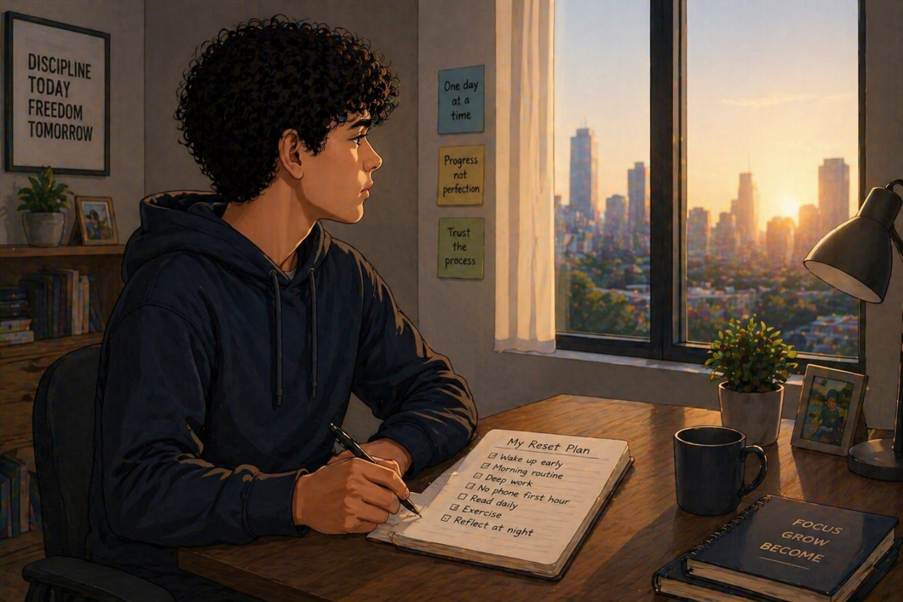
And finally, remember this timeless principle:
Treat a child as divine till the age of 3,
as royalty from 3 to 6,
as a student from 7 to 16,
and as a friend after 16.
(लालयेत् पञ्च वर्षेषु; दश वर्षेषु ताडयेत्,
प्राप्ते षोडशे वर्ष, पुत्र मित्र वदाचरेत।)