



Children don’t just listen. They imitate. They watch what you do, how you speak, how you react — and they mirror it all. Maybe not perfectly, but definitely consistently.
Table Of Content
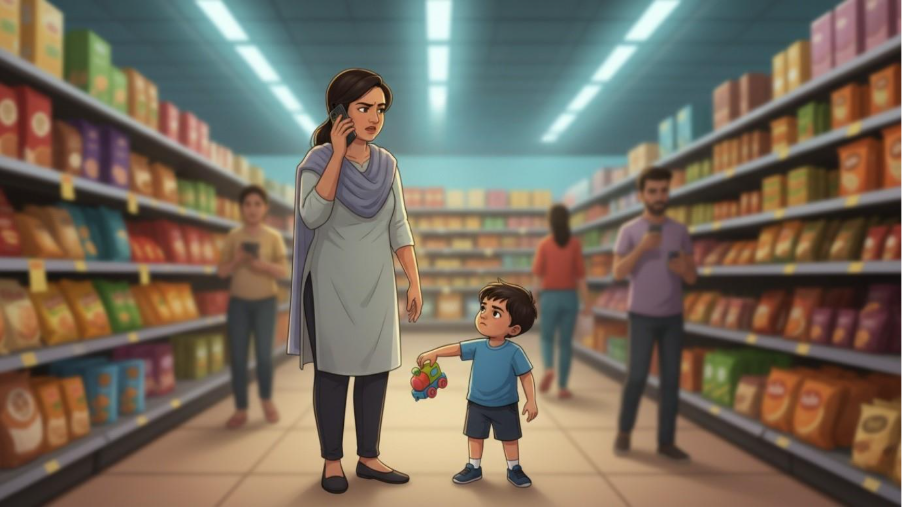
Here’s what most people don’t realize: the human brain is wired for mimicry. Just behind your forehead sit special nerve cells called mirror neurons. These neurons fire not when you act,
but when you watch someone else act. That’s why yawns are contagious. Why we feel like crying when someone else does. Why tension in the room affects us even before a word is spoken.

Children are especially wired for this. Their primary learning tool? Observation.
So when your child sees you get frustrated and bang your head, that becomes part of their emotional script. When they hear unkind or inappropriate language at home, they absorb it — no matter how many times you tell them not to use those words. That’s the thing: they don’t do what you say. They do what you do.
Your Everyday Self Is Their Greatest Influence
You can lecture all you want. But the way you treat people, the way you behave when you’re angry, the way you handle small setbacks — that’s what your child is really learning.
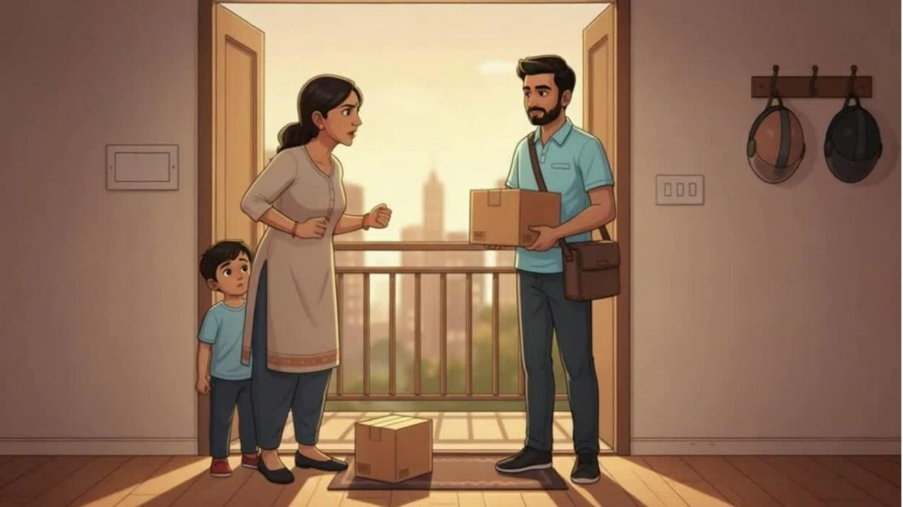
Parents, teachers, neighbors — everyone has an impact. But parents leave the deepest imprint.
So if your child is acting in ways you don’t approve of, take a step back. You may be looking in a mirror.
Use Their Nature to Your Advantage
Imitation is built into how children grow. And here’s the good news — this same trait can shape good behaviour too.
The early years, the pre-teens, the adolescence — these are windows of rapid imprinting. This is when kids pick up everything: kindness, aggression, responsibility, entitlement. All of it.
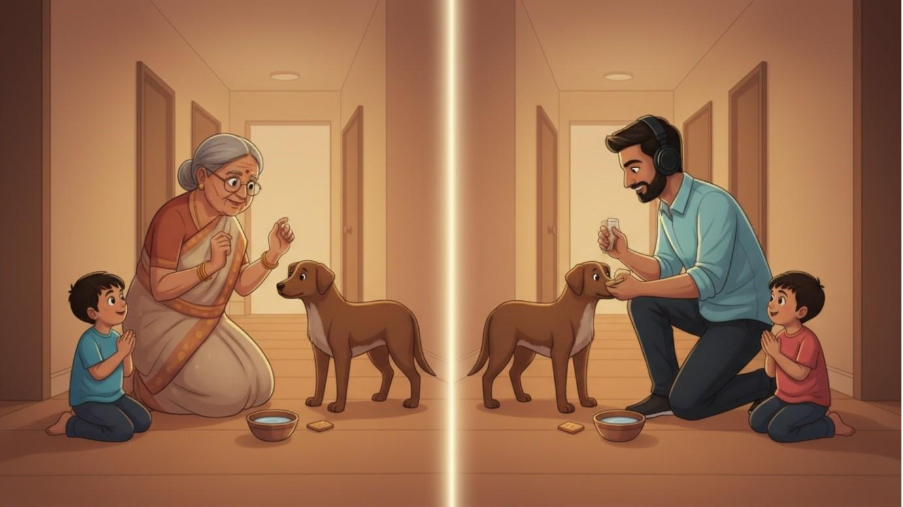
So why leave it to chance?
Instead of hoping your child learns the right thing, make sure you’re showing them what it looks like.
Let Them See You at Your Best
Start with small, daily acts:
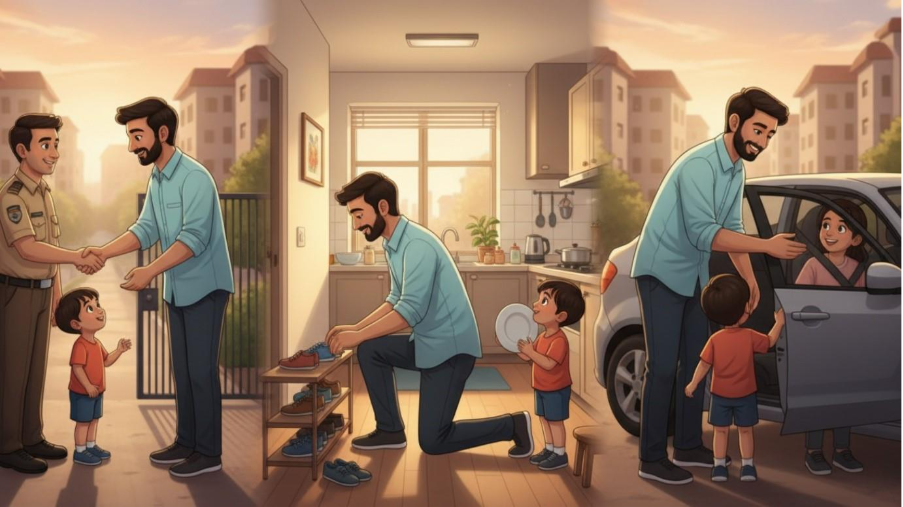
- Use your seatbelt. Wear a helmet.
- Obey traffic rules — even when no one’s watching.
- Share your food.
- Show kindness to service staff.
- Help someone across the street.
- Let an ambulance pass without delay.
- Speak respectfully even when you’re annoyed.
Don’t do it to impress your child. Do it because it’s the right thing. They’ll still notice. And mirror it.
They’re Watching More Than You Think
From how you comb your hair to how you handle a stressful phone call — your child is paying attention. They watch how you treat your spouse, how you talk about relatives, how you eat, how you react to frustration.

They watch what you do when things go wrong. And they absorb it like a sponge.
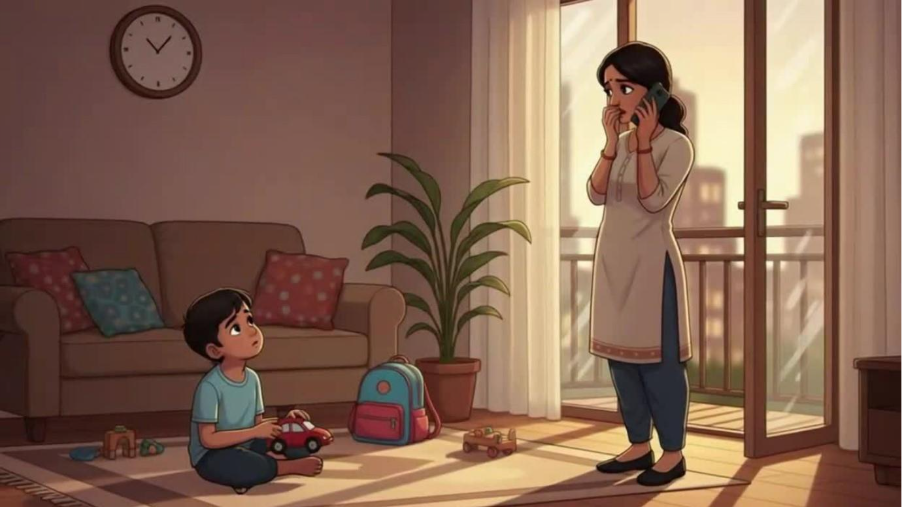
If you threaten or shame them to get your way, they’ll use the same tactics on their classmates. If you shout to be heard, so will they. If you’re impatient or reactive, don’t be surprised when they are too.
So What Can You Actually Do?
Here’s a practical way forward.
Step 1: Choose your values.
Pick 3–4 traits you want to see in your child — honesty, compassion, respect, responsibility, or anything else you deeply care about.
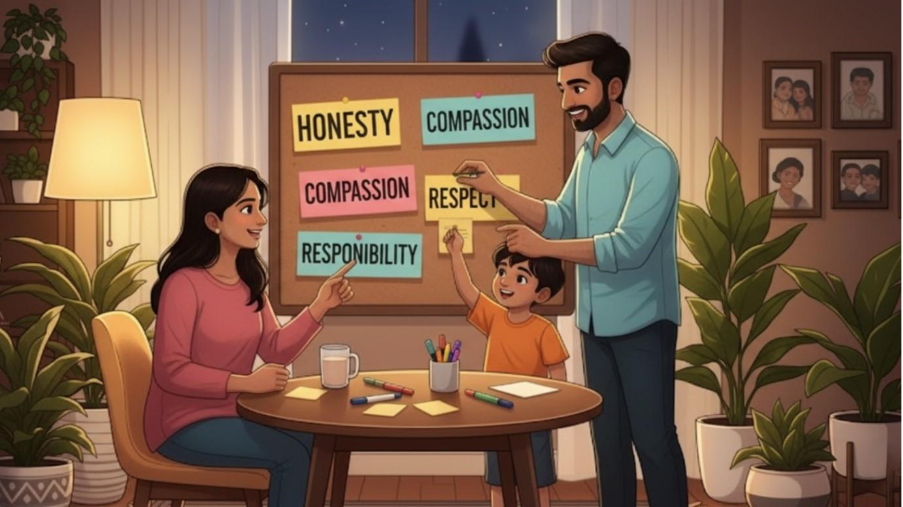
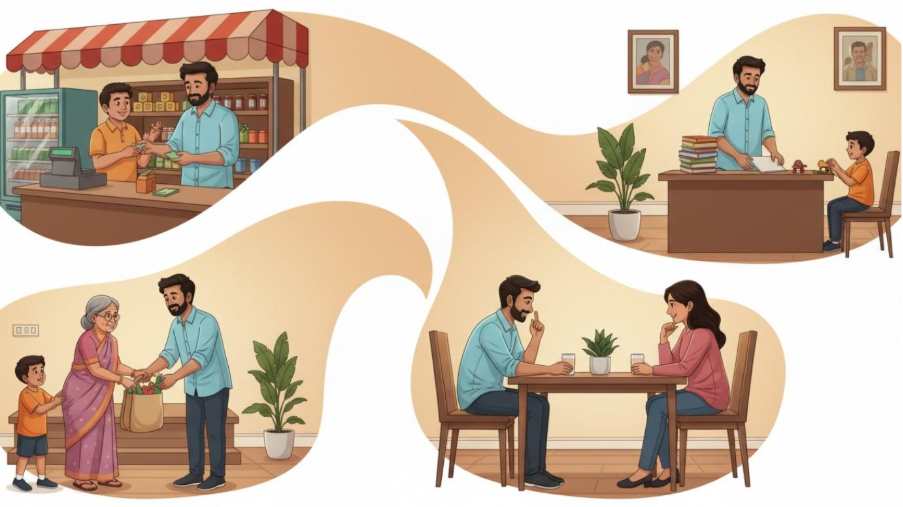
Step 2: Live them daily.
Let your behaviour match those values. No performance. Just real consistency.
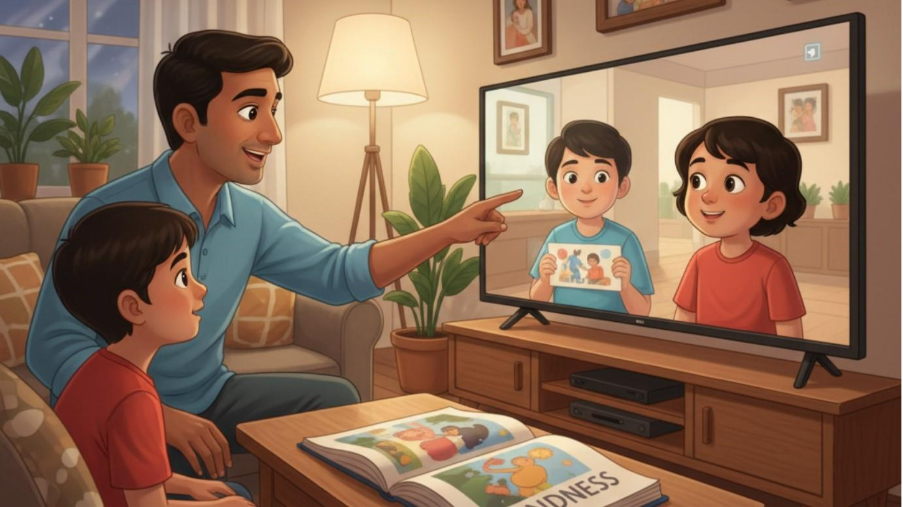
Step 3: Highlight examples.
When you see good behaviour in books, cartoons, or real life — talk about it. Let them connect the dots.
Step 4: Celebrate effort.
When your child acts in alignment with those values, appreciate it. Your encouragement shapes their self-image.
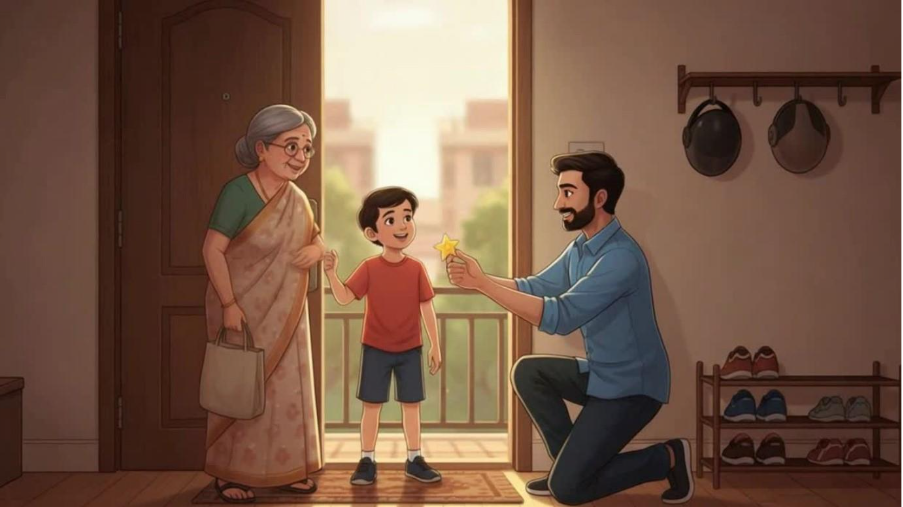
Your Behaviour Leaves the Blueprint
If you want your teenager to wear a helmet, don’t ride without one yourself. If you want your child to talk openly with you, be open with them. Share your mistakes. Say sorry when you mess up. Show them what it means to take responsibility.
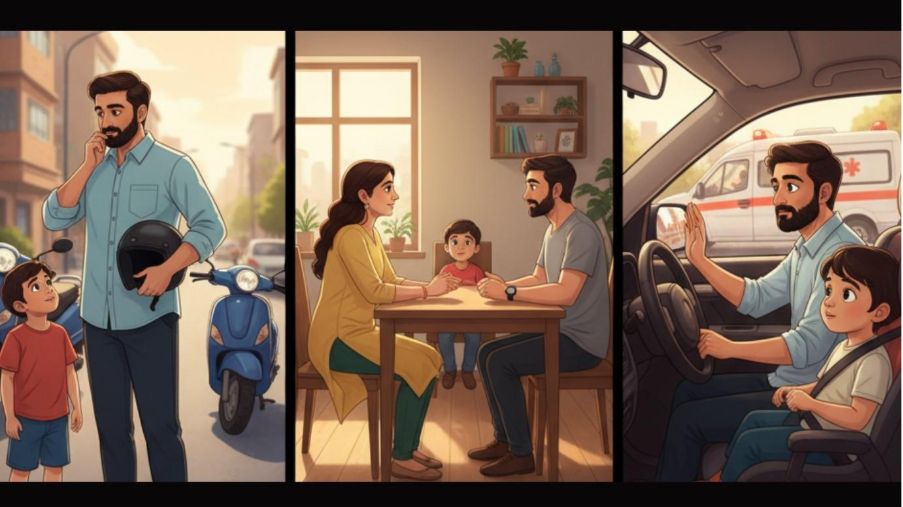
You don’t have to be perfect. But you do have to be authentic. That’s what lasts.
You Are the Mirror
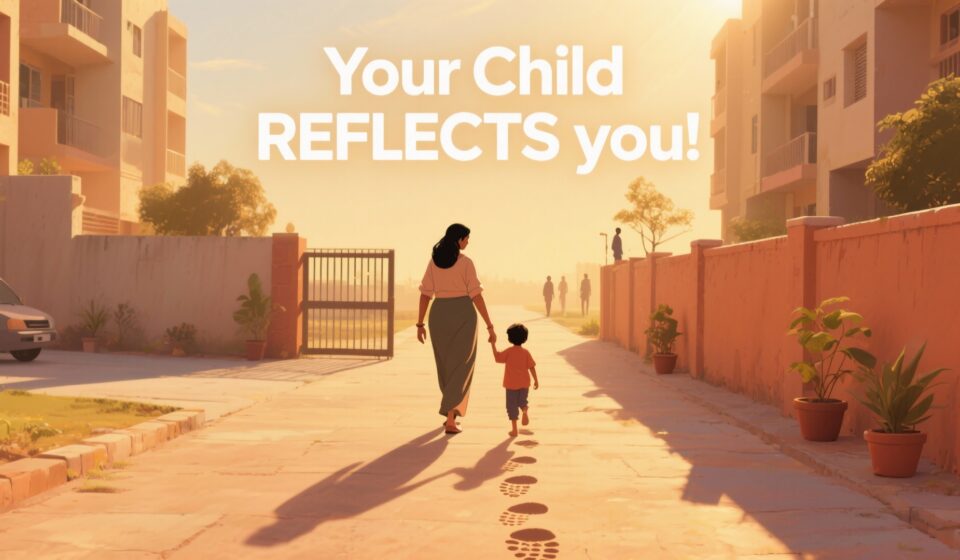
Raising a child is not about controlling them. It’s about modelling who you want them to become. They may not always listen — but they never stop watching.
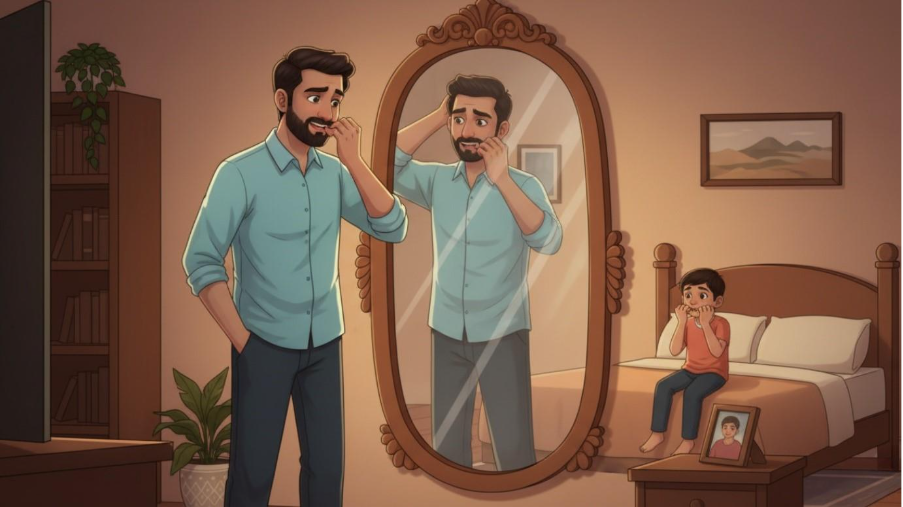
So look in the mirror. Then be the kind of person you’d want your child to grow into.
Disclaimer: The content shared on Balmurti Online—including articles, stories, website features, podcasts, videos, and other materials—reflects the personal views and experiences of individual contributors. We share these with the intention of encouraging thoughtful reflection and open dialogue among parents, educators, and our wider community. While we value every voice, the views expressed may not always represent those of the publication or its parent organization.