


(And Don’t Do)
Let’s be honest; most parents panic when kids fight. Particularly siblings. As soon as things get heated, we step in to intervene and break it up, rebuke one (or both), and attempt to reestablish order. But in that “fixing” moment, we tend to miss what is actually transpiring.
Table Of Content
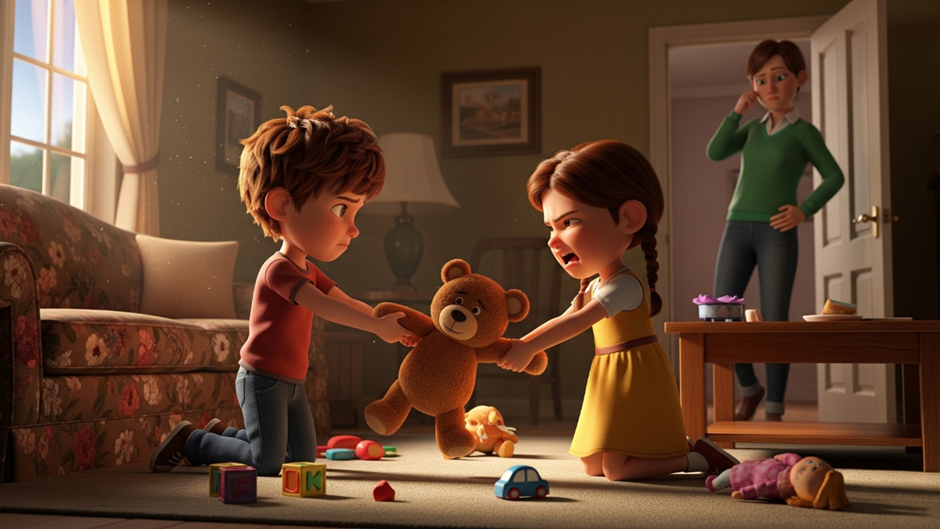
Here’s the truth: children fighting at home is normal. More than normal; it’s necessary. Those clashes, small as they may seem, are practice grounds for life. And how we respond shapes far more than we realize.
You’re Not Failing Because They Fight
Sibling fights don’t mean something is wrong with your parenting. They don’t imply that your house is messy or your children are wild. If, however, your children never fight at all, it’s perhaps worth investigating why. Is there fear in the house? Too much control? Not enough freedom to express themselves?

Kids who grow up together are bound to argue. Rich or poor, educated or not, it happens in every household. And it needs to. Because this is where they test boundaries, negotiate fairness, and figure out how to live with other humans.
So before you jump in, pause.
Let Them Sort It; Unless Someone Might Get Hurt
Here’s the first rule: don’t rush in every time. If no one is in danger, step back. Let them figure it out. In most cases, they will. One will push harder, argue more effectively, make a better case. That effort is important. That’s where growth happens.
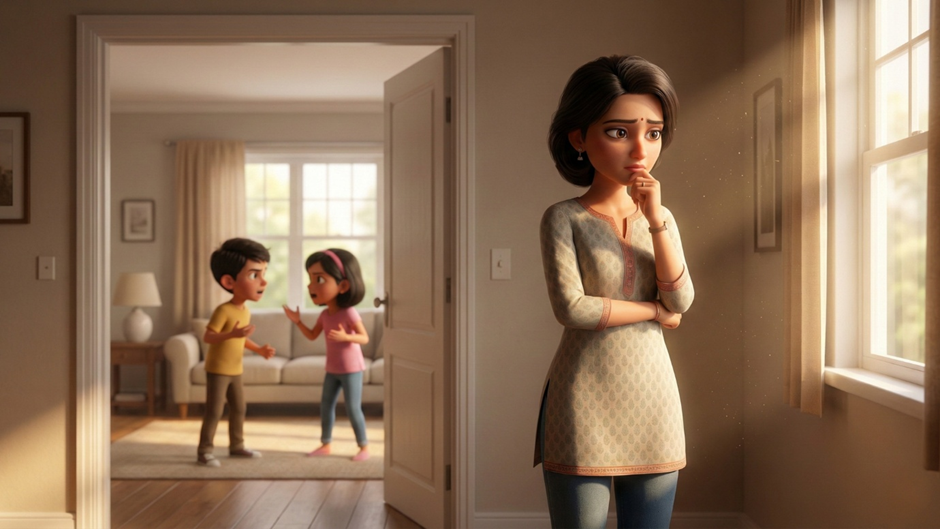
But if things don’t resolve and they come to you, then yes; step in. Just do it wisely.
Be Neutral. Be Clear. And Don’t Take Sides Blindly
If you’re going to mediate, leave bias at the door. Your job isn’t to pick your favourite or protect the youngest. It’s to figure out who’s right; and say so, clearly.
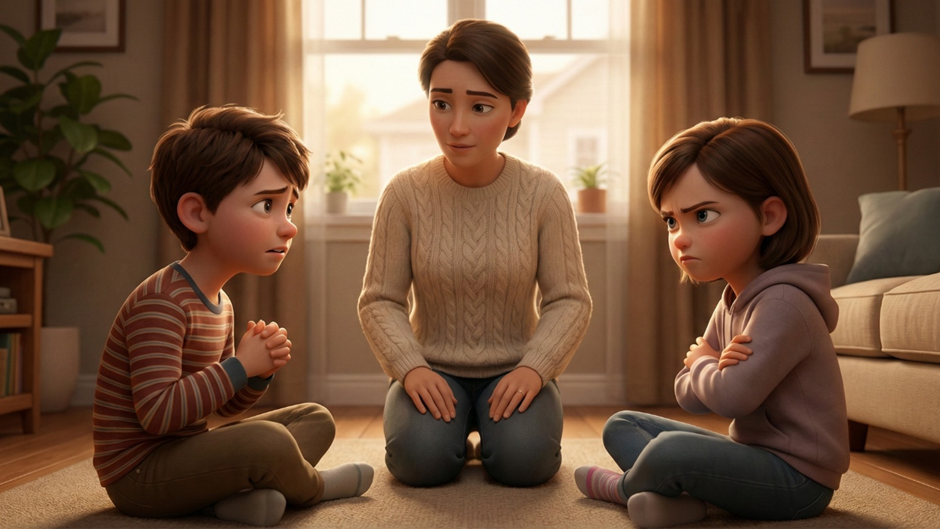
This is where many parents slip. They tend to identify with the younger child even if the older one’s in the right. Or they prefer the noisier, more demonstrative child to the reserve one. Sometimes, without even noticing, they back the boy over the girl. These things add up. The child who gets shortchanged remembers. The child who’s always defended learns to manipulate. Either way, no one wins.
Justice matters. Especially in the small, everyday stuff. Children can spot you’re unfair; and it sticks.
Conflict Isn’t the Problem. Injustice Is.
We encourage children to be strong, just, and resilient. But the reality is: it all begins at home. When children never quite get to wrestle with their own struggles, argue their corner, nor lose with dignity, how do we ever expect them to survive the world out there?
It’s where they learn to be fair for the first time. By interfering too soon or too often, we rob them of this lesson. By favoring them even unconsciously, we also set the seeds for deeper anger; against us, against their siblings, and finally, against the world.
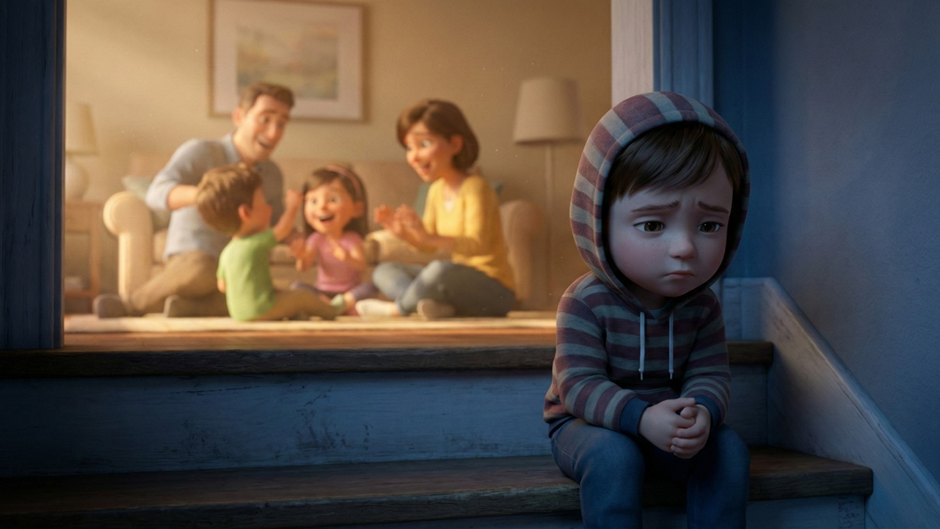
Some children become grown-ups who never felt like anyone ever came to their defense. And that anger doesn’t vanish. It builds. Quietly. Sometimes it comes out in rebellion. Sometimes in withdrawal. Sometimes in unexpected, destructive ways.
What Your Role Really Is
You’re not a referee. You’re a guide.
When you step in, stay calm. Speak clearly. Ask what happened. Listen; actually listen. And then you rule in favor of whatever’s fair, not who cried the loudest or whom you pity.
If you do this habitually; no favoritism, no coddling; your children will learn it. They’ll learn it gradually until they stop thinking you’re going to set it all straight. They’ll learn how to ask for themselves, respect others, and turn loose ends loose.
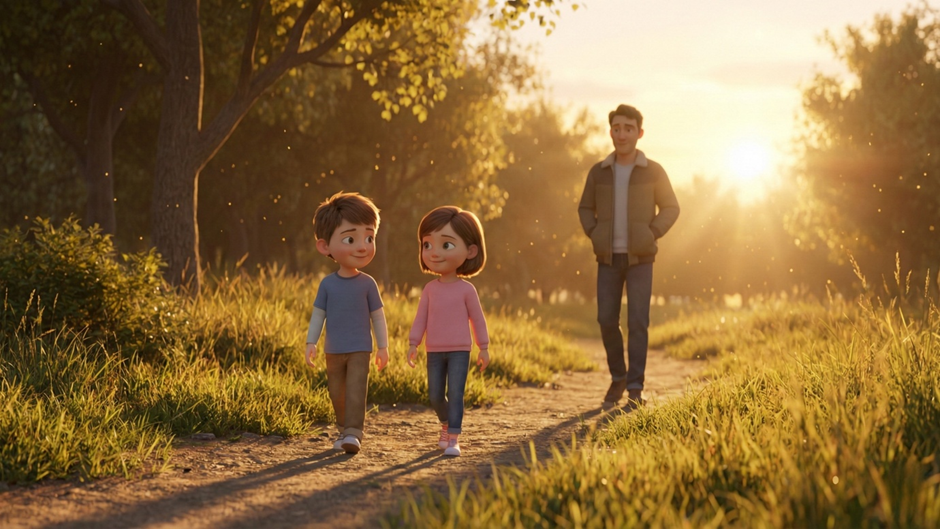
And that, right there, is how they become better people.