



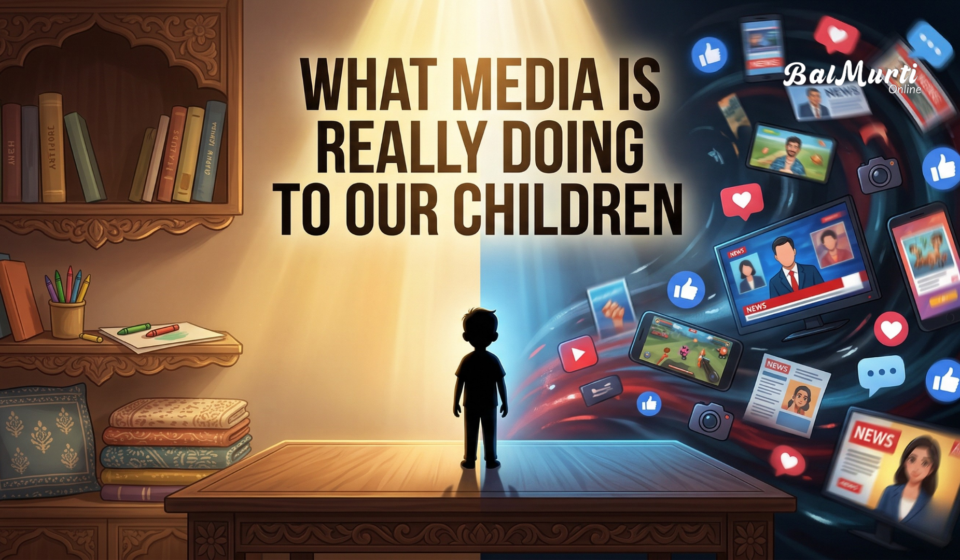

Print Media: What’s Really in the Headlines?
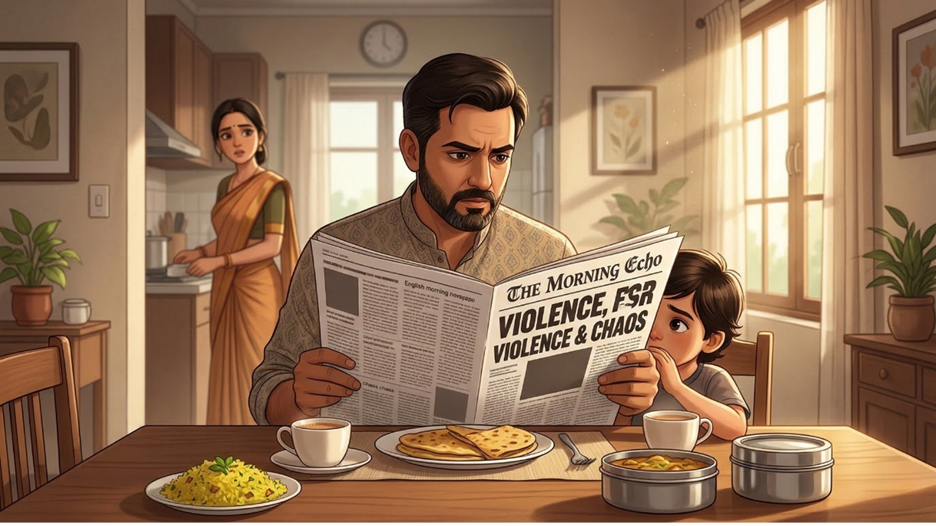
Imagine this. A father picks up the morning newspaper. Right on the front page, there’s a disturbing report; a case of serious harm to a child. The headline? As graphic and sensational as it can get. No filter. No pause. And anyone; even a child; can read it.
Table Of Content
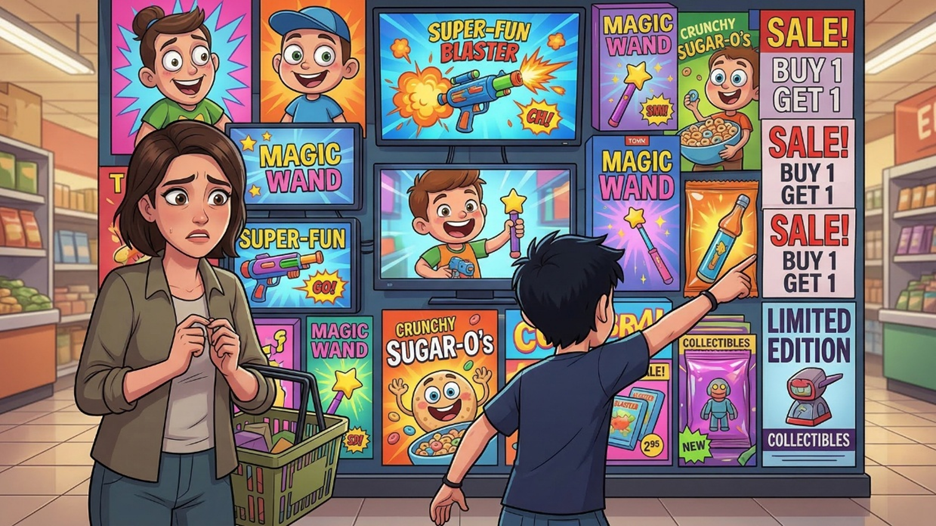
Now look at the ads. Whether in newspapers or magazines, advertising rarely speaks with responsibility. Every reader is treated as a potential customer. That includes children. Ads for toys, snacks, or tech gear don’t just inform; they seduce. Flashy colors, catchy phrases, no concern for quality. And because parents are often too busy to filter it all, kids demand and adults give in. The result? A booming market built on unchecked influence.
Even on radio, especially in cities, humour and wordplay are served up without any filters. Jokes cross lines. Language slips. Women and minority communities become punchlines. No one pauses to ask; how are these jokes shaping the values of a young listener? People laugh and move on. But the long-term impact remains.
Film news and celebrity gossip flood our newspapers. Nearly every day, you’ll find glam shots; skin-baring, heavily filtered photos of film stars; right next to headlines about violence, kidnapping, or crime. This daily mix of sensationalism and glamour starts blurring children’s sense of right and wrong.
The Screen: TV, Films, and the Digital Overload
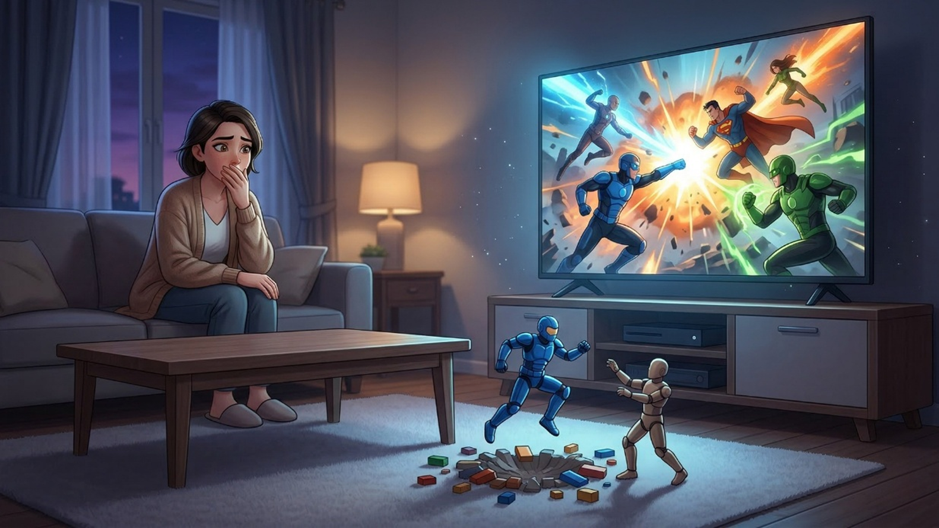
In the U.S., it’s common to see toy guns in the hands of toddlers. That’s what they grow up watching; gunfire, explosions, characters dying and then returning in the next episode. Sounds fictional, right? But it’s not just on-screen. In one American household, two young brothers re-enacted a TV scene. The elder shot the younger, believing he’d come back the next day. A tragic story; and yes, it’s true.
Now shift to India. Our TV serials and films are just as saturated with violence; and parents often watch them side by side with their kids, saying, “It’s okay, they don’t understand.” That’s the most dangerous assumption of all.
In a U.S. survey, 32% of kids aged 7 to 14 said they could live without their parents, but not without television. Let that sink in. The situation in India is catching up fast.
What we watch shapes us; and children are absorbing more than we think. They mimic what they see. They internalize what we overlook. They’re growing up with chaos in their heads and numbness in their hearts.
Mobile: What’s in Their Hands?
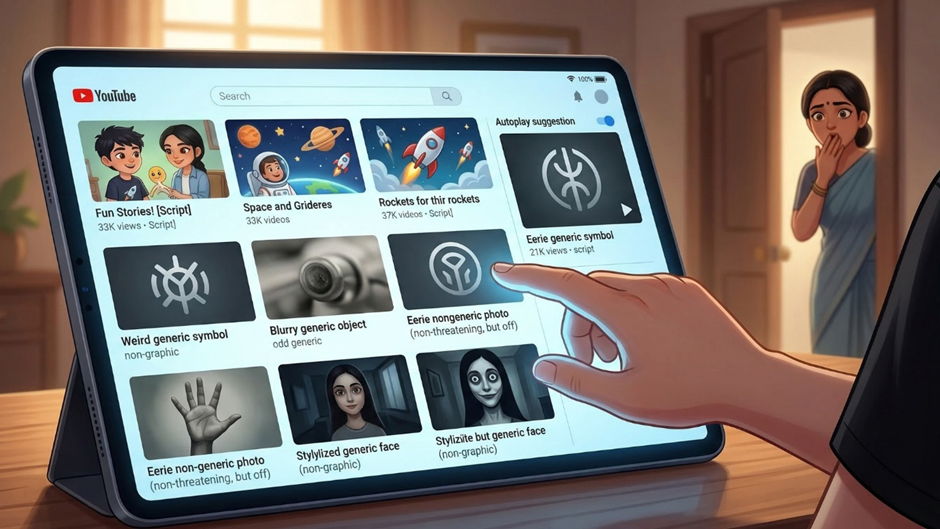
Let’s be honest. How many times have you handed your phone to a child just to buy yourself a few quiet minutes? YouTube gets tapped. A short cartoon starts. The child laughs. You get things done.
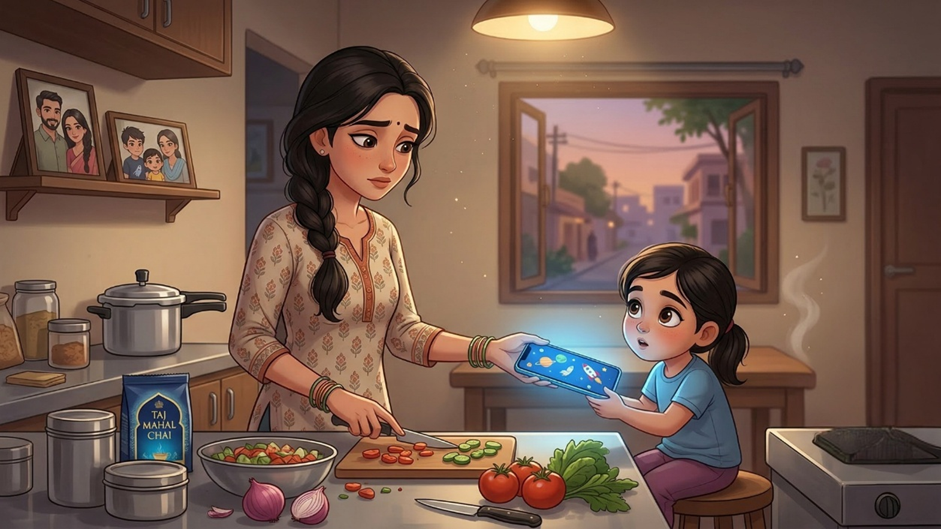
But here’s the catch.
To make those shows exciting, creators load them with crashes, falls, fights; constant impact. A car explodes. The child claps. Another accident; more laughter. Over time, the sensitivity to fear, pain, or consequence begins to fade. The child doesn’t just watch violence; they enjoy it.
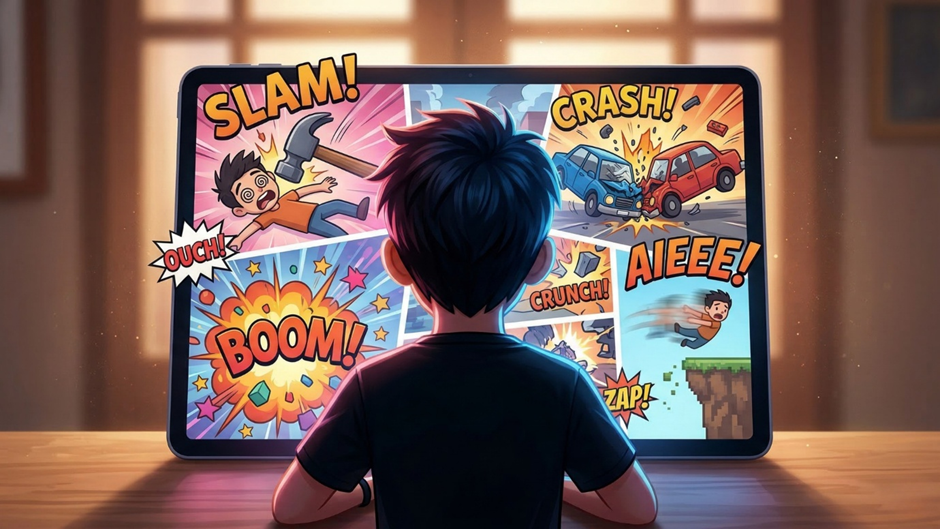
What’s worse? Kids today are expert surfers. They know how to jump videos, skip ads, and reach unintended content before you even realise they’ve drifted. You may think they’re watching cartoons; but the internet rarely stays where it starts.
The Internet: Unsafe Terrain with No Exit Signs
A study done in major Indian cities; revealed some alarming stats:
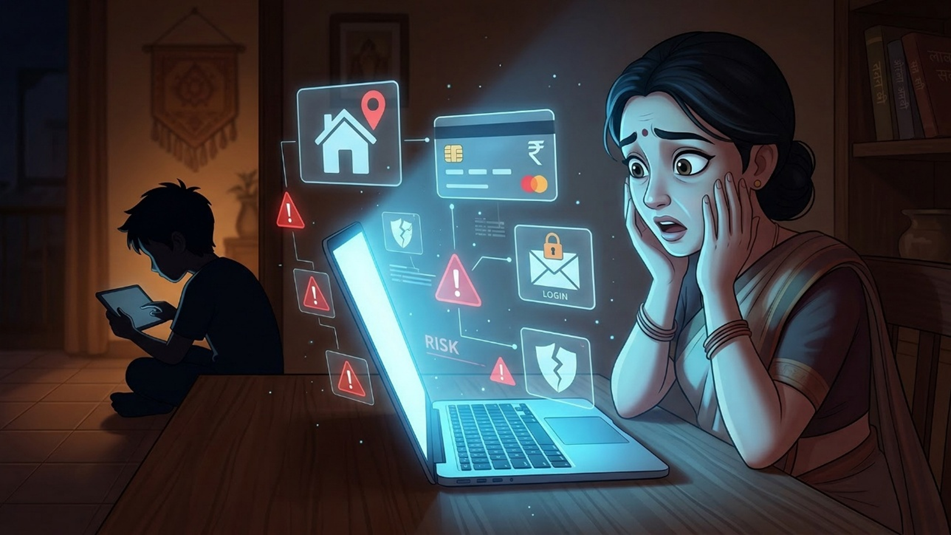
- 58% of kids aged 4 to 8 gave their home address to people they met online
- 12% had shared their parents’ credit card info
- Over 80% knew how to access their parents’ email accounts
- 67% had their own email ID
- 62% openly said they shared personal details online; proudly
They’re not being careless. They just don’t understand the risk.
Take this real-life example. Two young girls stayed home while their parents were out of town. Their cousin joined them. For fun, they picked random numbers from the phonebook and prank-called strangers, saying things like, “I’m watching you.” One call went too far: “You’ve killed your wife. We saw it.” The man panicked, traced the number, and filed a police report.
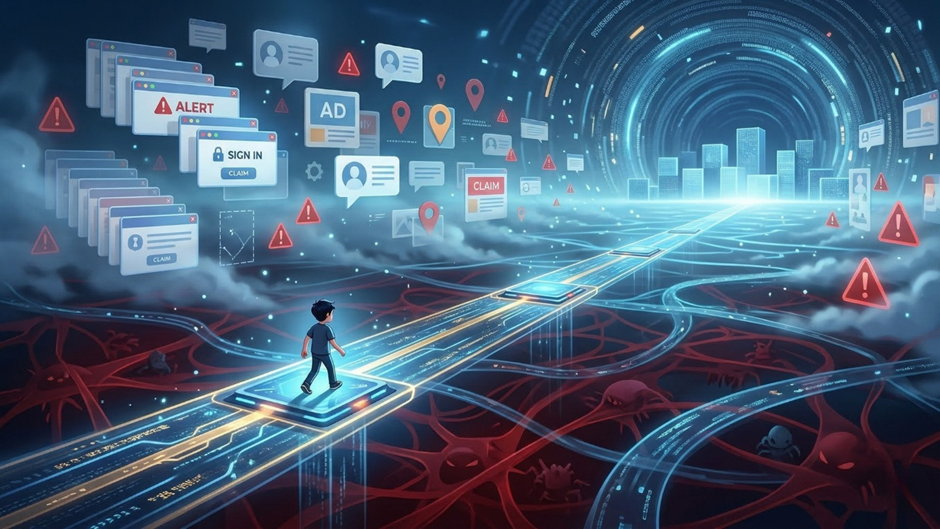
That’s the world we’re dealing with; innocent games leading to real consequences. Children playing in a cyber minefield, unaware of where the next blast will come from.
The Invisible Impact
As media grows louder, childhood is growing quieter.
Kids are losing focus, drive, imagination. They’re drifting into early despair. Violence among children is increasing. So are cases of loneliness, self-harm, and emotional shutdown.
And we’re asking ; what went wrong?
What Can We Do?
Let’s be honest; we can’t stop media. But we can manage our corner of it. It starts at home.
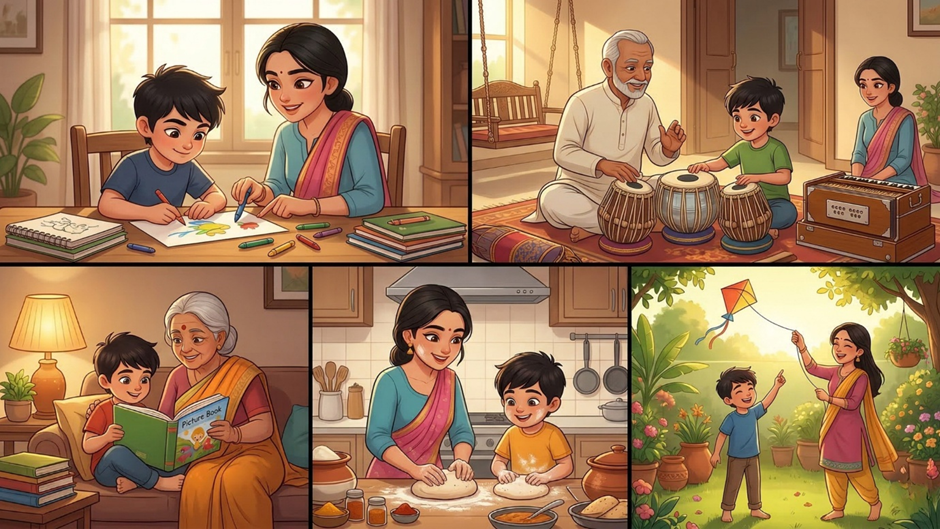
- Be present. Make sure an adult; parent, grandparent, or caregiver; is always around young children.
- Don’t use devices as babysitters.
- Create real interests: music, drawing, reading, cooking, outdoor play; anything that pulls them toward real-life learning.
- Set clear boundaries on media use.
- Practice what you preach. If you’re always on your phone, your child will be too.
- Keep them away from devices until a healthy, age-appropriate point; and when you do introduce screens, sit with them.
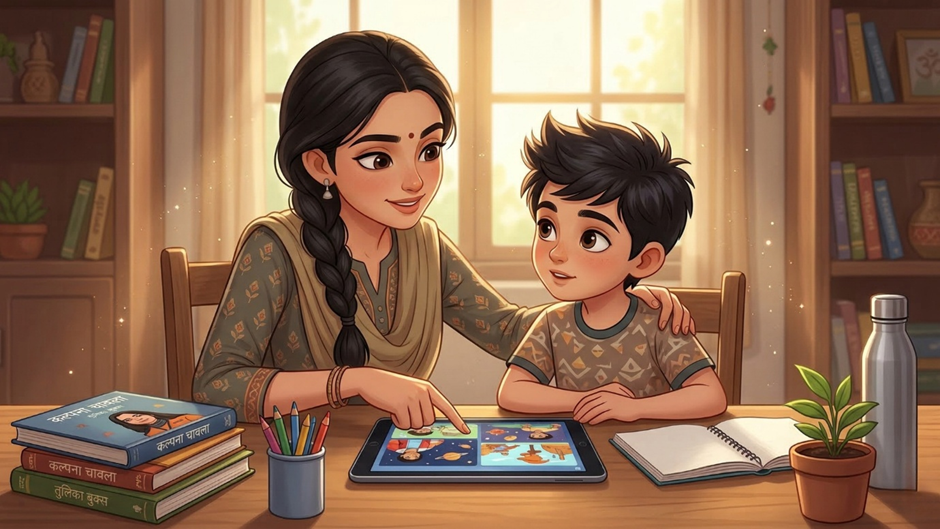
- Most importantly, talk to your child. Not once. Every day. Listen more than you speak.
If we don’t take charge now, we’ll lose more than just attention spans. We’ll lose the very innocence we’re meant to protect.
Think of every headline you’ve read about harm done to a child; and ask yourself, “What if that were mine?”
We can’t lay a carpet over the entire world so children never get hurt. But we can cover their feet; with values, awareness, and guidance.

The flood of media won’t stop. But we can build an umbrella; one household at a time.