





Reading isn’t just a pastime. It’s a workout for the brain; and a powerful one. At Stanford University, researchers studied how readers engaged with Jane Austen’s novels. What they found was striking: blood flow increased across the brain. Different areas lit up. Why? Because reading doesn’t just pass time; it activates the mind.
Table Of Content
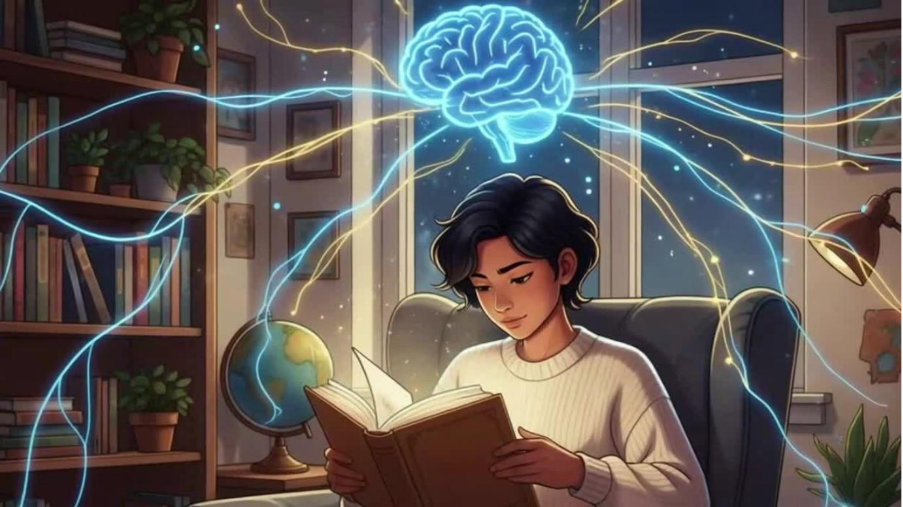
Here’s what really happens. As you move through a story or thoughtful writing, your brain starts to imagine, interpret, and anticipate. It’s constantly working; decoding language, creating meaning, and visualising scenes. That’s active engagement. That’s mental strength.
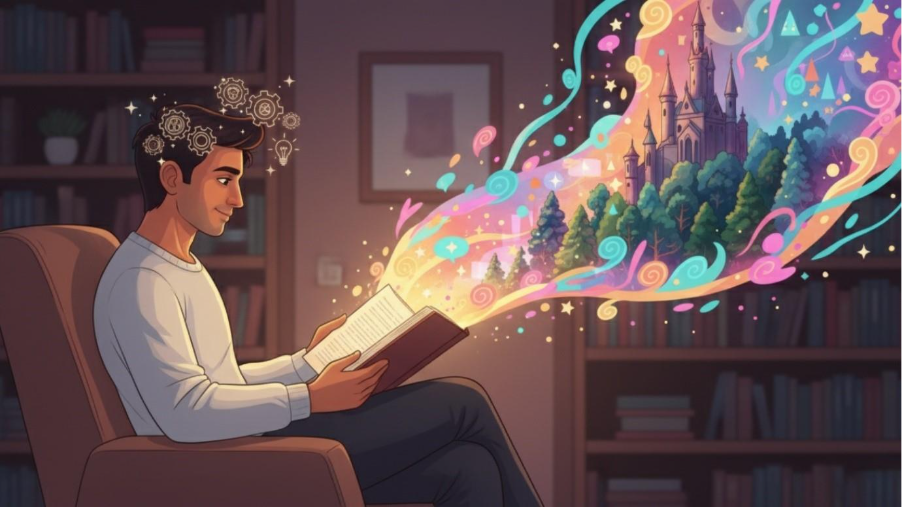
Reading Helps You Step Away From the Noise
Modern life comes with endless distractions. But reading gives your mind something else; focus. When we lock into a good book, the outside world fades for a while. And according to those same Stanford studies, this break from external pressure can actually ease discouragement. It lets your mind reset.
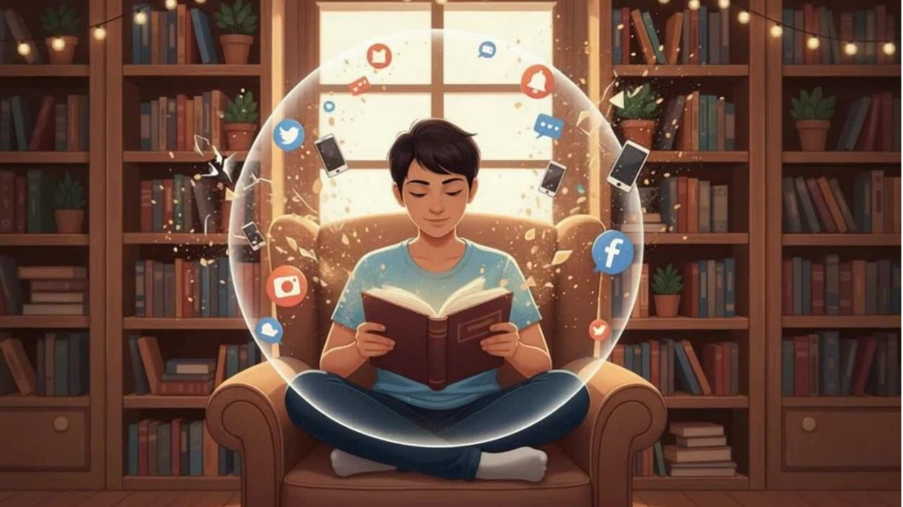
Over at Yale, another long-term study found that people who read for just 30 minutes a day tended to live longer than those who didn’t read at all. That’s a big return on a small daily habit.
Begin With the Earliest Readers
Initiatives like Read for Child target this very idea; promoting reading even before a child is born. Expectant mothers and mothers of newborns are encouraged to read aloud. Why? Because language, emotion, rhythm; all of these influence a baby’s development.

The brain is like a muscle. It needs training. Reading sharpens thinking, strengthens emotional awareness, and improves language processing; especially in early childhood. And here’s a bonus: children who read regularly become better listeners. In a world full of people who talk too much and listen too little, that’s a skill worth nurturing.
Amusement or Engagement?
There’s nothing wrong with TV, video games, or phones. They offer a kind of rest. But let’s call it what it is; a pause button for the brain. The word “amusement” itself means to not think (a = not, muse = think). Entertainment stops thought.

But reading does the opposite. It activates curiosity. What happens next? Why did that character make that choice? What would I have done?
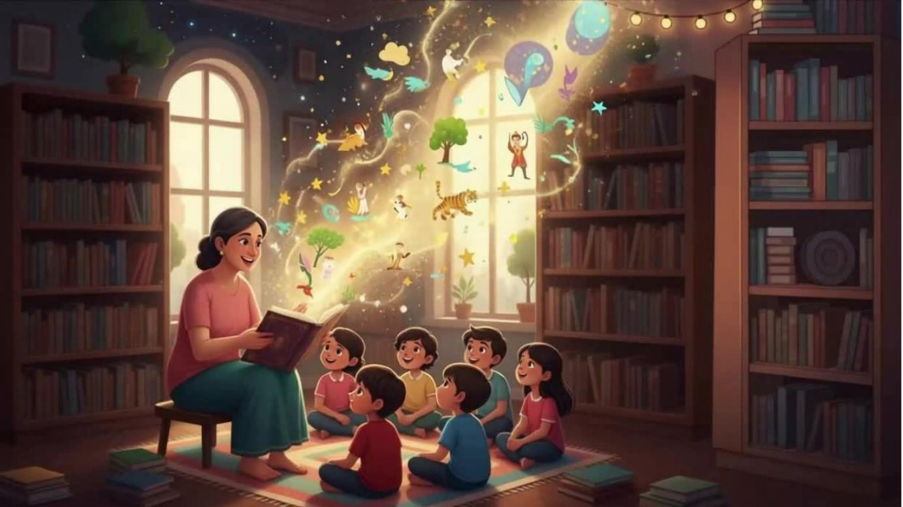
That’s the power of story. It moves us. It makes us feel. And it strengthens the creative side of the mind; the very part responsible for the innovations and comforts we enjoy today.
The Mirror Reading Holds Up
You’ll often find that people who never read; or read very little; begin to shrink inward. Their self-worth dips. They stop exploring. They isolate. And slowly, they start believing the world is working against them.
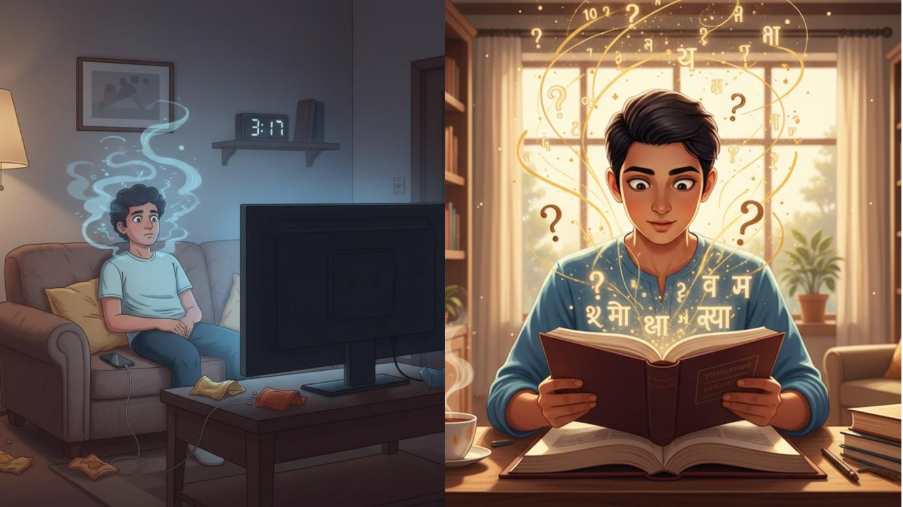
Reading doesn’t magically solve loneliness, but it connects you; to ideas, voices, characters, and reflections that go deeper than daily conversations.
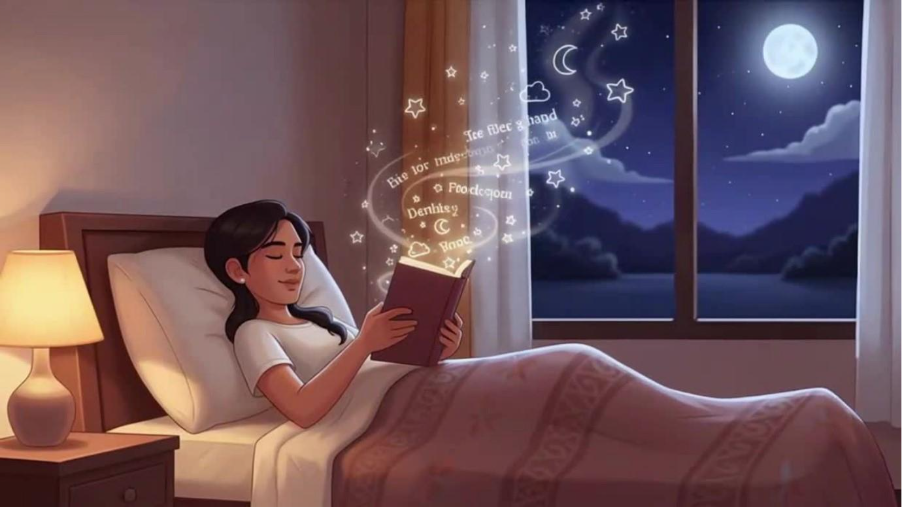
Even a few minutes of reading before bed can ease tension. It calms the nervous system, quiets the racing mind, and invites better sleep.
Read With Intention
Reading isn’t just about picking up any book. It’s a conscious process. You’re not just skimming; you’re absorbing. You’re interpreting. You’re thinking. It’s a complete brain workout; and one that rewards you more the longer you stick with it.
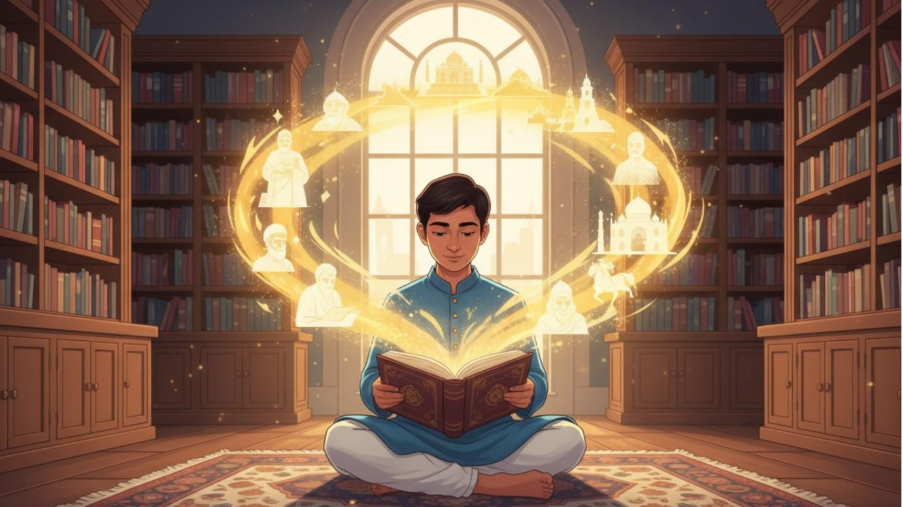
Words aren’t just tools. They’re building blocks. The thoughts you carry, the beliefs you hold, the self-image you’ve formed; they’ve all been shaped by the words you’ve read and heard.

Your future will be shaped the same way.
That’s the lasting impact of reading.
Disclaimer: The content shared on Balmurti Online—including articles, stories, website features, podcasts, videos, and other materials—reflects the personal views and experiences of individual contributors. We share these with the intention of encouraging thoughtful reflection and open dialogue among parents, educators, and our wider community. While we value every voice, the views expressed may not always represent those of the publication or its parent organization.