


- From birth to six months, feed the baby only breast milk.
- Begin supplementary feeding after the baby turns six months old.
- Food items such as cereals (rice, wheat, etc.), pulses, vegetables, and dairy-based items should be part of a child’s diet. There is no role for biscuits and packaged products in a child’s nutrition.
- Begin complementary feeding with liquids like thin porridge, dal water, rice water, etc. As the child grows, gradually introduce semi-solids and then solids. By the age of one, a child can eat family food prepared at home. Avoid adding chili and spices to children’s meals.
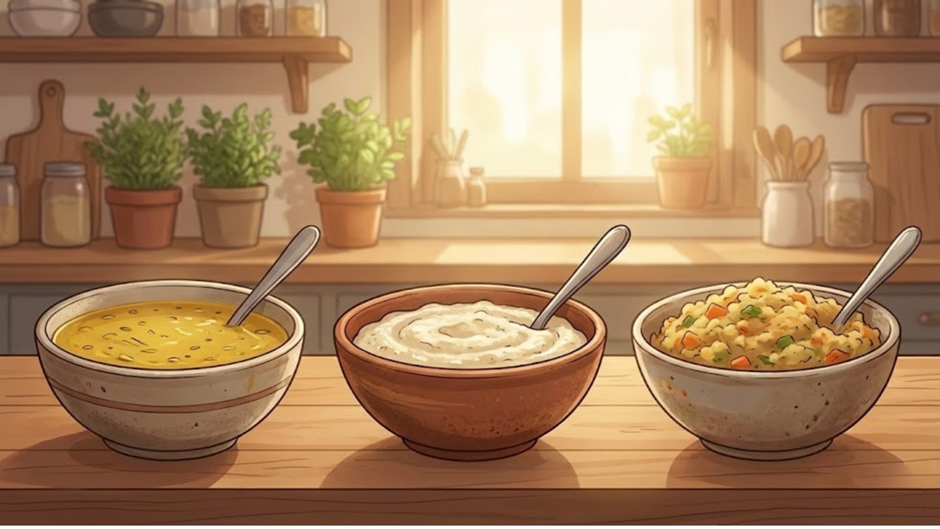
- Vegetables and cereals should be steamed and then mashed for the child. Add a bit of ghee or oil and spices like cumin or turmeric only after one year of age.
- A child’s stomach is small. Feed small portions 4 to 6 times a day.
- After six months, only breast milk is not sufficient for growth. Increase food quantity as the child grows. Gradually include oil and fats as well.
- Breast milk and complementary feeding should continue until two years of age.
- Feed the child only freshly prepared food. Avoid leftovers.
- Include variety in a child’s diet. A child should not eat the same food daily.
- For children susceptible to infections, pay extra attention to cleanliness and hygiene. Don’t feed milk or water that is not boiled or purified.
- Wash your hands with soap and clean water before feeding your child.
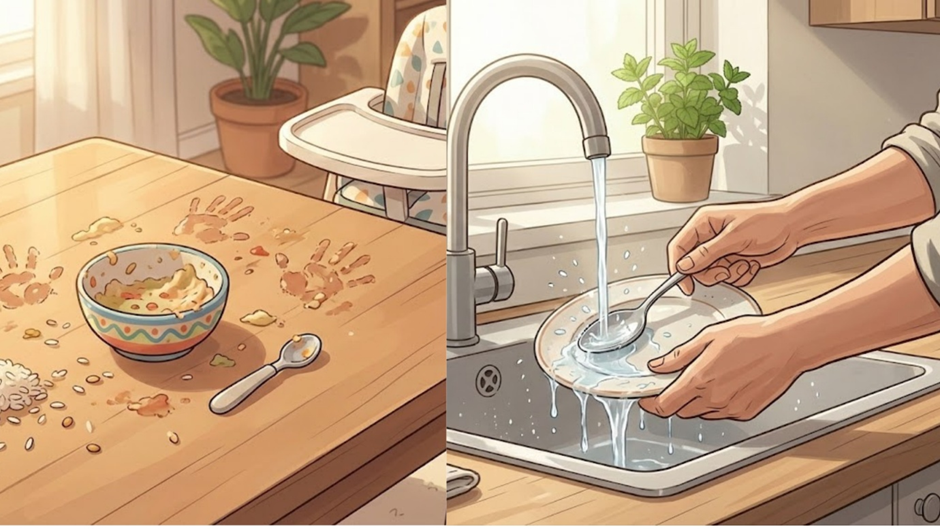
- Use clean utensils such as bowls, cups, and spoons for feeding.
- Encourage the child to eat slowly. Eating too fast may cause vomiting or discomfort. Respect the child’s hunger cues and don’t force-feed. Forcing can create food aversion.
- After one year, let the child eat on their own using their hands. Don’t interrupt even if the food is messy. Let the child enjoy eating.
- Do not distract the child with TV, mobile, or stories during meals. Your attention and loving words will help the child eat better. Avoid scolding or distracting during meals.
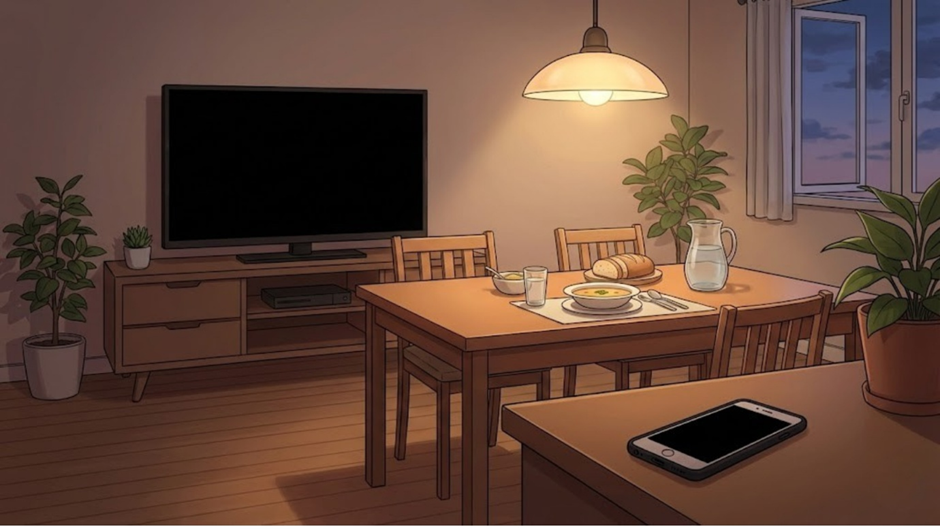
- After a child is full, remove the food. Mealtime should be peaceful and happy. Avoid discussing stressful topics or arguing during meals.
- Feeding time can help understand the child’s nature and behavior. Your interaction can positively shape their eating habits.
- Avoid bakery foods, cakes, chocolates, wafers, noodles, and packed items. Instead, offer homemade food like khichdi, upma, poha, idli, etc. Avoid ice cream and soft drinks.
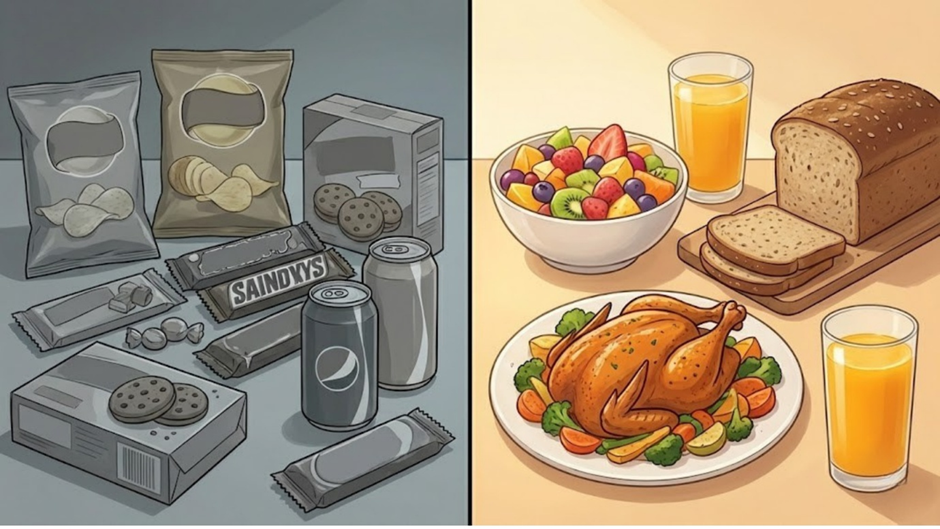
- Avoid feeding children fried, spicy, and oily foods. Limit use of oil, ghee, butter, or cheese.
When a Child Becomes Thin or Underweight
- Do not panic. Increase food quantity gradually.
- If the child is malnourished, give high-calorie nutritious supplements like RUTF (Ready-to-use Therapeutic Food).
- Malnourished children have weak immunity and appetite. Feed slowly but consistently.
- Don’t give plain water or watery liquids as it fills the stomach without nutrition. Provide milk-based items like milk with ghee or sugar, curd, lassi, or butter with food.
- To improve the child’s strength, use high-fat items like ghee, butter, milk powder, and full-cream milk. Add oil or ghee to vegetables, khichdi, or rice.
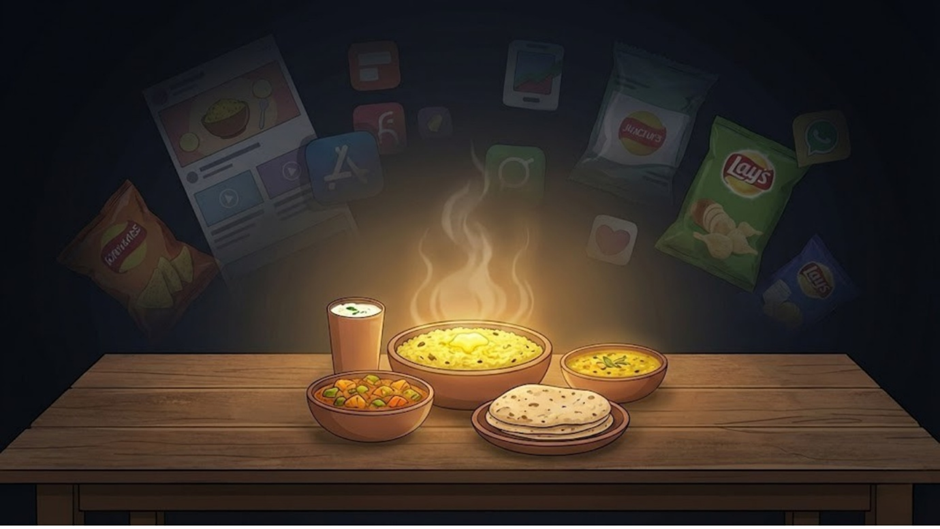
- Once the child’s appetite improves, increase food gradually and diversify the meals. Give three solid meals a day and snacks in between.
- For extremely malnourished children, feed therapeutic food like RUTF before offering anything else.