




It’s the one question that never goes away; how do we raise responsible children?
Table Of Content
It comes up in parenting groups, school meetings, and playground conversations. As someone who’s spent years in early childhood education, I get asked this often. My answer is always the same: start early.
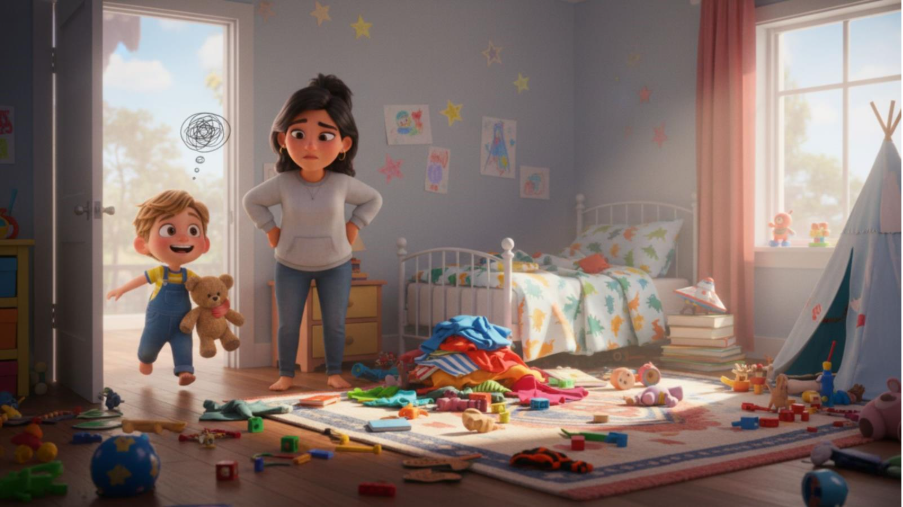
Discipline and responsibility go hand in hand. But they don’t need to come with pressure. If you begin gently in the early years, with a warm and structured approach, you create space for both to grow naturally.
Here are some practical, tried-and-tested ideas that have worked for parents and educators alike.
1. Start Small — But Start Early
Riyan is four. One afternoon, close family friends came to visit. While his mother, Pallaviben, got up to bring water, Riyan followed her into the kitchen.

He looked at the tray and said, “Mama, give it to me today; I want to serve the guests.”
She smiled and handed it over. Carefully balancing the glasses, Riyan walked over and served everyone. He glowed with pride.
That’s where it begins. Small wins. Simple confidence. Early responsibility.
2. Turn Shopping into a Learning Opportunity
Seven-year-old Malhar loves going to the mall; but his mom avoids taking him. Why? Because he fills the trolley with things they don’t need. She ends up having to say no to half of them, which leads to tantrums, and she still ends up buying a few just to avoid a meltdown.

When she asked for help, here’s what worked.
Start with clear rules. If you’re not planning to buy anything for the child that day, tell them before you leave. Say you’re going just to look and compare prices; that it’s called window shopping.
When it’s a grocery run, give your child a role: let them select the vegetables, place them on the scale, or hand over the cash. That tiny moment of trust helps them stay focused; and feel responsible.
3. Let Grandparents Work Their Magic
Eight-year-old Amayra loves spending time with her grandparents. They play, chat, and joke; but they also gently guide her.
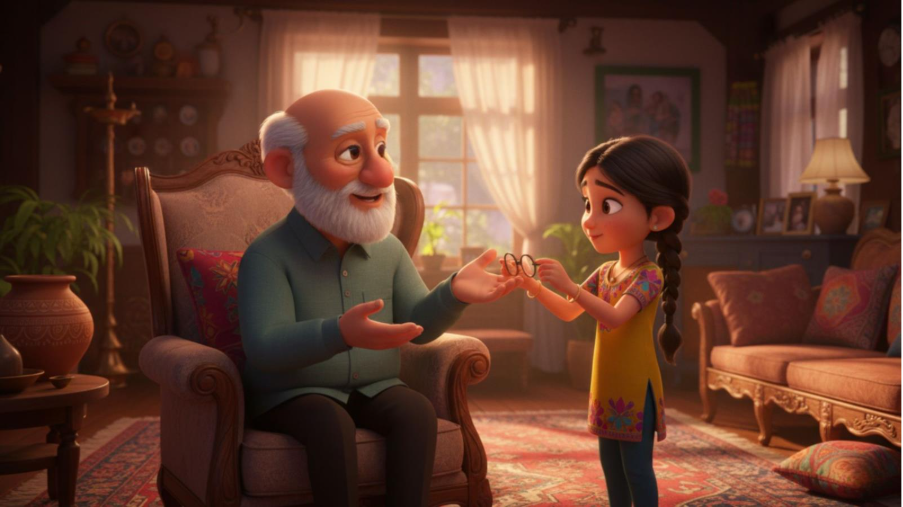
“Can you put this back where it belongs?”
“Help me find my glasses; I left them somewhere!”
She does it happily. And over time, that builds both memory and responsibility.
4. Encourage Social Play Outside the Home
Four-year-old Viyana is a shadow to her mother. She doesn’t play with other kids, doesn’t talk much when guests are around, and prefers sitting quietly.

The solution? Start sending her to play at nearby friends’ homes.
In the beginning, go with her. Play together. Tell stories. Share songs. Gradually, step back. Let her carry her own toys and books; and be responsible for bringing them home.
Social comfort builds independence.
5. Make Room Clean-Up a Shared Habit
Many kids today have their own rooms from a young age. That’s great; until it’s time to clean up.
Ten-year-old twins, Ved and Viha, are a good example. After they play, Viha puts away the games and toys. Ved just moves on to something else.
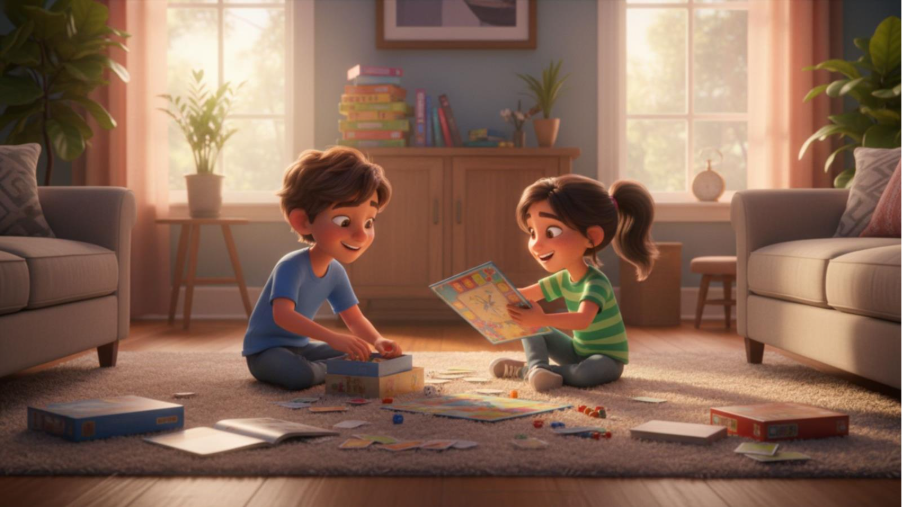
At first, their mother tried gentle reminders. No change.
So they agreed on a new plan: alternate cleaning days. It worked. Within a week, they were both cleaning together; no complaints.
Sometimes, responsibility grows best through shared effort.
6. Build the Habit of Managing Money
As kids grow, many parents begin giving pocket money. It’s a great step; as long as you let your child make small decisions with it.

Don’t rush to control every purchase. Let them choose how to spend a portion. Talk through their ideas. Is this something they need now? Will it last?
The final say can still be yours; but let the process be theirs.
That decision-making muscle? It’s what grows into lifelong responsibility.
A Small Start Goes a Long Way
None of these steps are huge. They don’t take special tools or extra hours. But they work. They build something that sticks; not just at home, but in the classroom, on the playground, and later, in life.
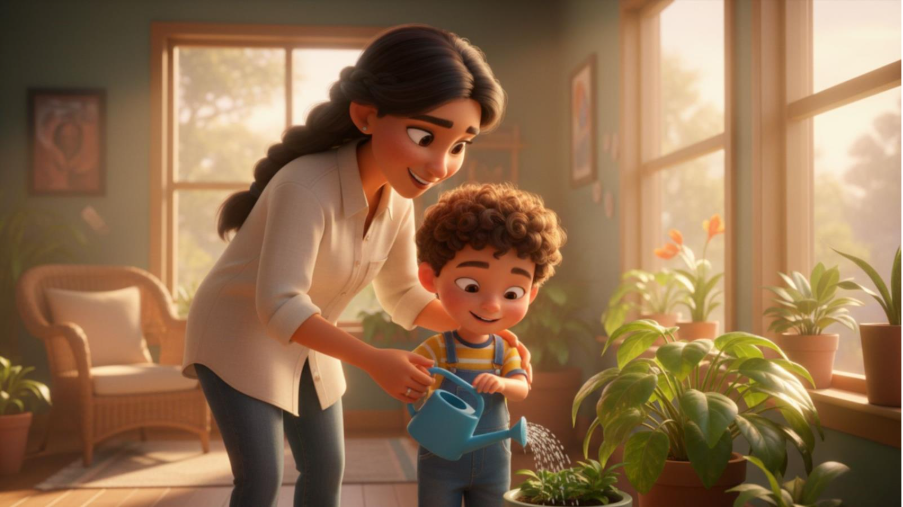
These are lessons I’ve lived. I’ve seen them succeed in classrooms and in homes. With patience, consistency, and trust, we can raise children who carry responsibility not as a burden; but as a natural part of who they are.

Disclaimer: The content shared on Balmurti Online—including articles, stories, website features, podcasts, videos, and other materials—reflects the personal views and experiences of individual contributors. We share these with the intention of encouraging thoughtful reflection and open dialogue among parents, educators, and our wider community. While we value every voice, the views expressed may not always represent those of the publication or its parent organization.