



You can’t ignore a generation that managed to flip the government in Nepal within hours. This isn’t an exaggeration—it’s a glimpse into the raw, disruptive energy of today’s youth. These young minds don’t wait around for change. They are the change.

Let’s talk about Generation Z—those born between 1997 and 2012. In 2025, they’re between 13 and 28 years old. These are the kids who grew up with the internet, who matured during global crises, and who’ve been deeply shaped by technology, social media, and worldwide uncertainty. Then comes Generation Alpha—those born after 2012. Raised more by smartphones than toys, their world looks wildly different from the one their parents knew.
Together, these generations have witnessed a lot—earthquakes, floods, a pandemic, demonetisation, and more. For Gen Z, life has often felt like a constant obstacle course. Their mental, emotional, and financial wellbeing has taken a hit. Anxiety, depression, and stress are part of their everyday vocabulary. Studies show 28% of Gen Z is highly sensitive to anxiety, while 44% report persistent feelings of hopelessness. The COVID-19 pandemic disrupted not only their education but their sense of social belonging too.
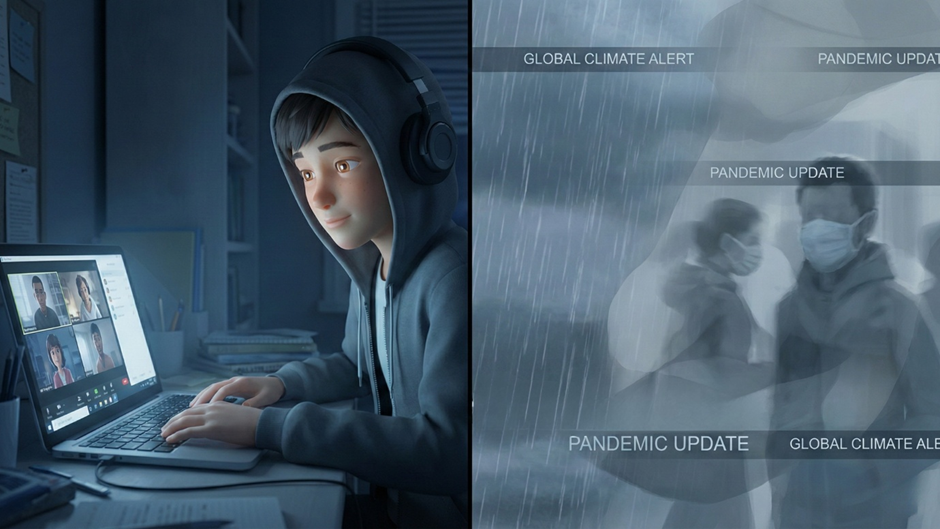
On average, this generation spends 6–7 hours a day on social media. That brings with it a spiral of comparison, self-doubt, low self-esteem, and digital exhaustion. More screen time means less focus, more chronic stress. They’re juggling job uncertainty, mounting credit card debt from impulse buys, and housing instability—many living in rented spaces with no real sense of security. Add to that the financial strain of expensive college tuition, and it’s no surprise they’re increasingly calling for government support.

Being glued to digital devices has shrunk their attention spans and dialed up their need for instant gratification. Patience is running thin. And that’s becoming a real roadblock in tasks that demand consistency or long-term commitment. The disconnect between the filtered perfection on social media and real life only makes self-acceptance harder. Early emotional maturity has also brought earlier health concerns.
But let’s be clear—this isn’t a generation defined by weakness. Far from it.

Gen Z is packed with strengths. They’ve adapted swiftly to a rapidly changing world. They don’t just use technology, they own it. They’re fluent in social media, digital tools, new apps, and smart devices—and many are building their own. From a young age, both Gen Z and Alpha have shown an entrepreneurial spark. They’re drawn to startups, buzzing with innovative ideas. They value inclusion, and they take issues like climate change and gender equality seriously. Having lived through economic upheaval and a global pandemic, they’re tougher and more adaptable than they’re often given credit for. With high-speed internet at their fingertips, they’re constantly learning, creating, and seeking out digital solutions.

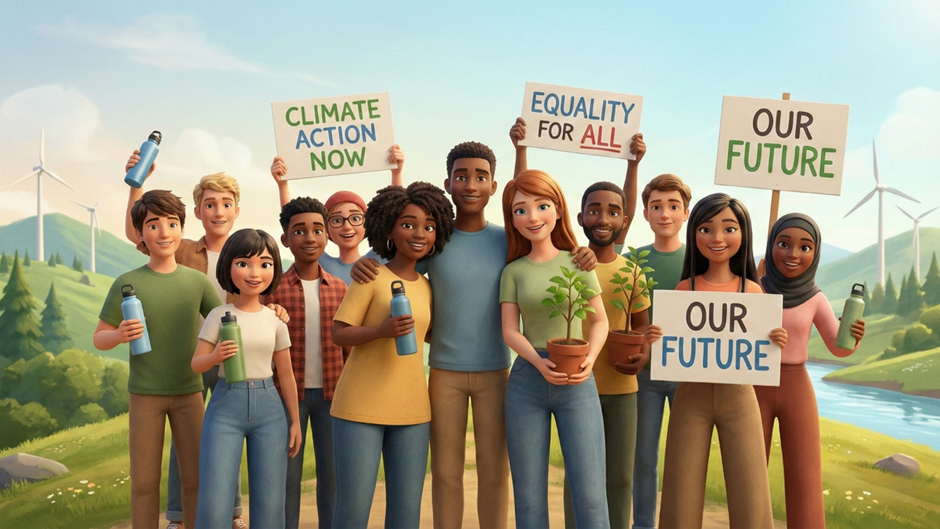
They’re also more educated than previous generations and more hopeful—grounded in reality, but still believing in better. Social change motivates them. They think globally. They join global movements, speak out online, and know how to amplify their voices. They don’t just follow trends—they decide whether trends sink or soar.
Of course, none of this is without cost. The pace of changing technology means they’re under constant pressure to keep up. There’s a never-ending push to upgrade, upskill, and stay market-ready. It’s throwing their inner balance out of whack. They want meaningful work and a life that isn’t just about hustle. But when that doesn’t come easily, motivation starts to slip. Research shows 39% of Gen Z consider switching jobs every six months. Their digital fluency also creates a gap with older generations, leading to disconnects in families and workplaces.

Their idea of connection is often more visual than emotional. They embrace each other, but the quality of real-life relationships is shifting. That shows up at work too—job security is shakier than ever.
This generation loves branded goods and doesn’t hesitate to buy on credit; even when wallets are empty; especially during annual sales and flash deals. They feel a constant need to post something new online. They’re interested in risk, in investing, in building wealth; but often feel stuck due to a lack of financial stability. That frustration is one of the reasons mental health support systems and therapy centres are seeing a rise in demand.
What it all comes down to: Instead of worrying about what’s missing, trusting in effort and consistent action may just become the life mantra that carries this generation forward.

Dr. Krunal Panchal
Article published in Kshane Kshan Shikshan, Gandhinagar Samachar