


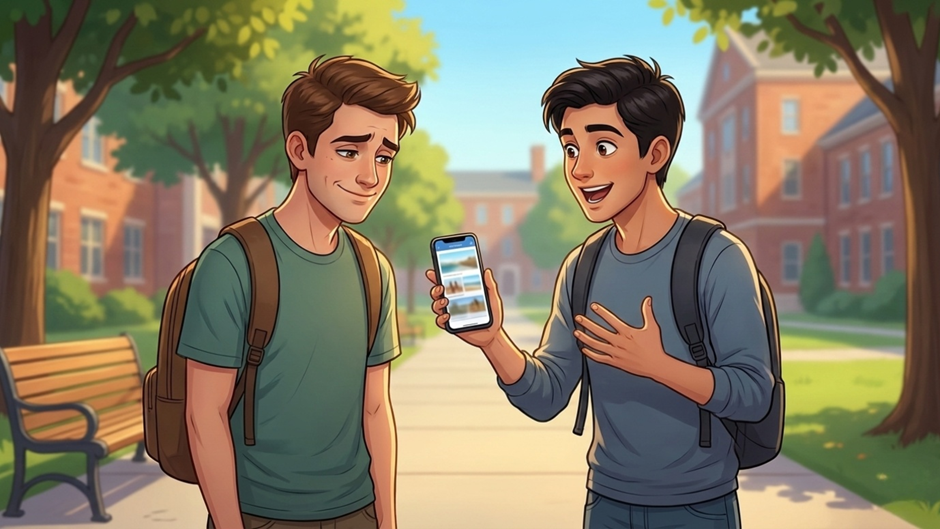
Not long ago, I saw a television commercial. Two school children, around ten or twelve years old, were chatting during their break. One of them asked, “What did you do during the vacation?” The other replied with a disappointed look, “Same as always. We went to Grandma’s place.” Then he asked back, “And what about you?” With excitement, the first boy started listing all the places they visited, the thrilling adventures they had, the new foods they tasted, and the things they bought. The first child listened in silence, then said with quiet envy, “Your dad is awesome. He’s a hero.” His face revealed the sting of missing out.
This isn’t just about one ad. Here’s what we should really be asking:
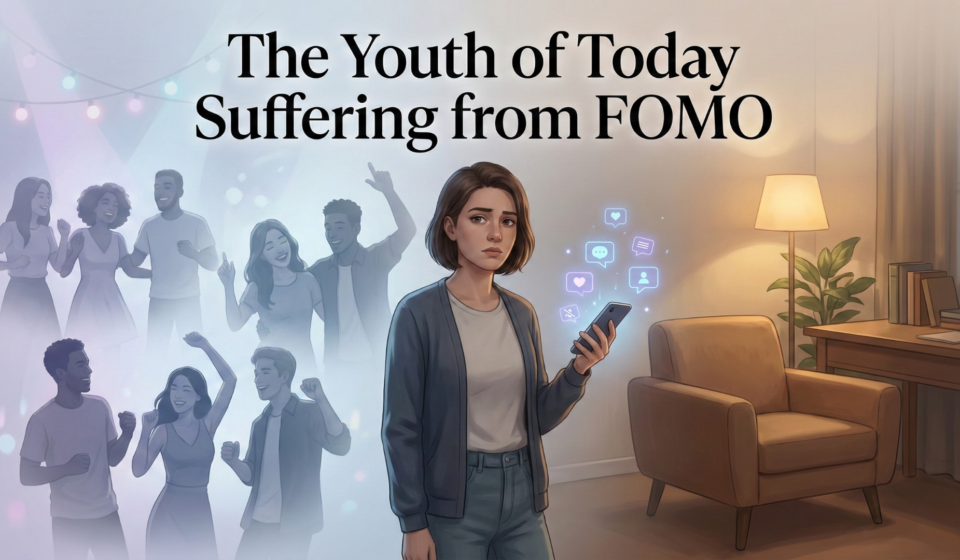
Why do we immediately tie our purchases, our outings, and our little joys to social media posts? The joy of a new thing is one feeling. The joy of travel is another. But thanks to curated posts and constant sharing, many people today; especially the young; feel a creeping sense of FOMO: the fear of missing out.
It’s real. It’s measurable. And it’s everywhere.
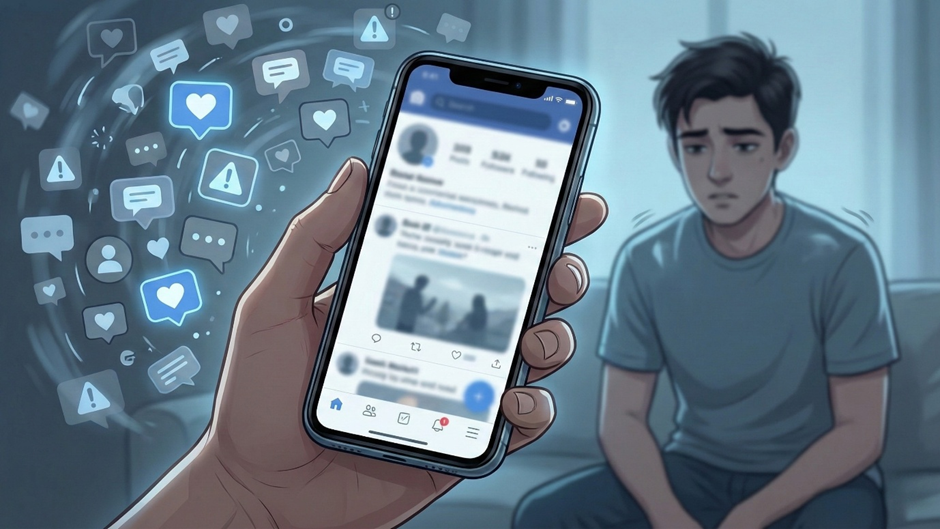
What’s more, not everyone understands this pain. Today, there’s a growing hunger to know what everyone else is doing, eating, wearing, or enjoying; even when it doesn’t concern us. This constant exposure to other people’s lives triggers a feeling of lack, of falling behind. Biologically, this shows up in the brain’s hormone responses. When we’re emotionally tied to social media, these feelings show up more often; and hit harder.
It’s real. It’s measurable. And it’s everywhere.
What’s more, not everyone understands this pain. Today, there’s a growing hunger to know what everyone else is doing, eating, wearing, or enjoying; even when it doesn’t concern us. This constant exposure to other people’s lives triggers a feeling of lack, of falling behind. Biologically, this shows up in the brain’s hormone responses. When we’re emotionally tied to social media, these feelings show up more often; and hit harder.
Let’s take a relatable example.
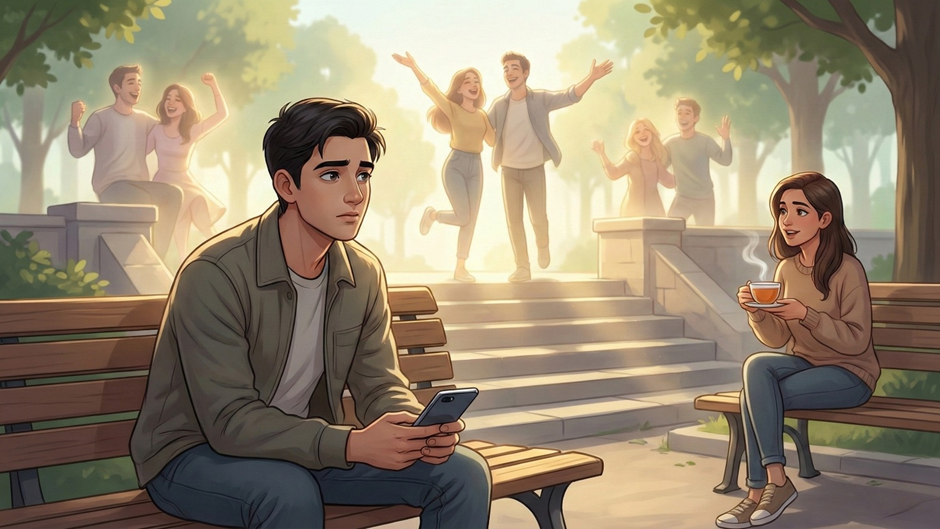
Rohan is about to start Class 11. One of his friends just got a new bike. He posted a photo with it on social media and captioned it, “Family’s new member.” Rohan was thrilled when the post got lots of likes. But a few of his other friends saw that post and thought, “We don’t have a bike like that.” That tiny thought grew into resentment; and within days, they found themselves arguing bitterly with their parents over something they hadn’t even wanted before.
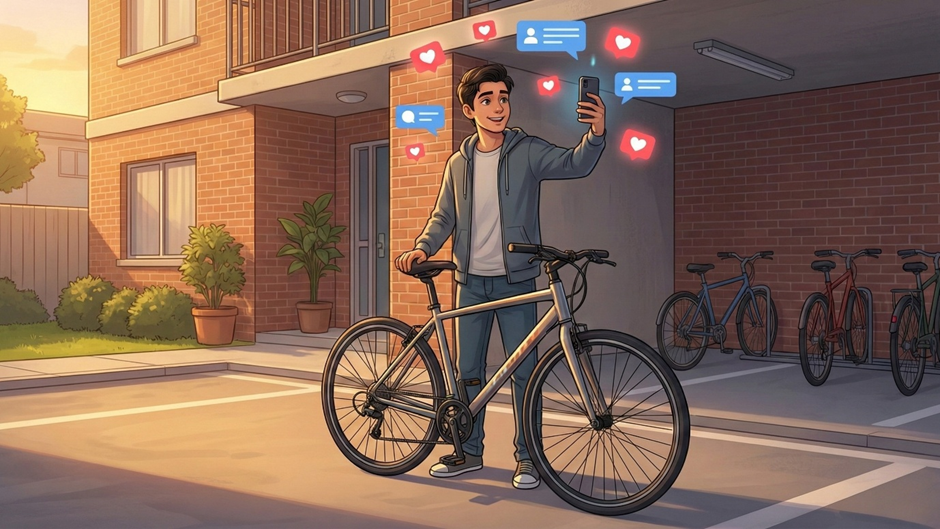
It starts with a post. It spreads through likes. And then it spirals.
When social validation; those precious likes and hearts; doesn’t come, it creates a ripple effect. Mood swings. Loss of appetite. Anxiety. Self-blame. Fear. And with it, a deepening sense of loneliness. Even though they’re online and “connected,” young people are drifting further away from themselves.
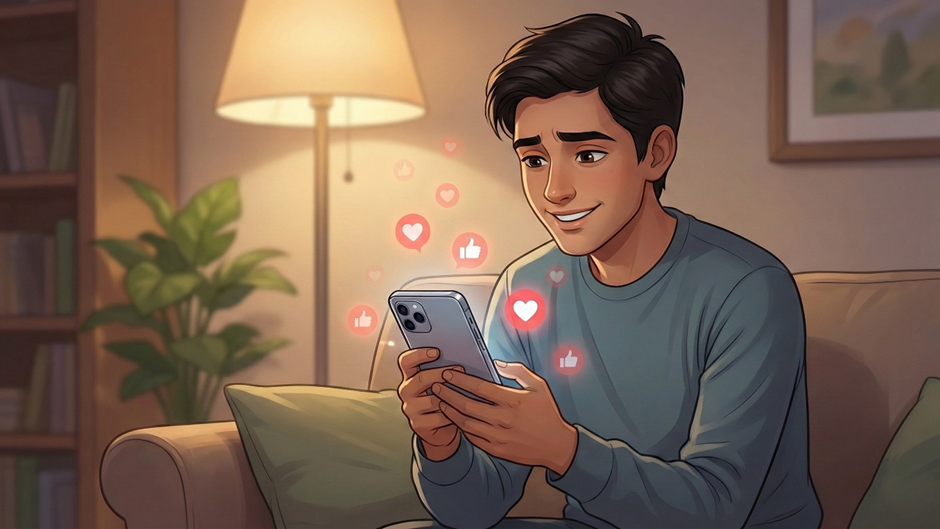
What this generation is losing isn’t just focus. It’s also confidence. Creativity. The ability to sit with silence. Their minds are constantly flooded with information, yet their learning is slowing down. You can see it; not just in mood, but also in body language. Stiff postures. Neck pain. Eye strain. Headaches. Changes in how they walk, sit, even sleep. And all of this, we now know, is showing up in real-world consequences; including rising accidents while walking, crossing roads, or driving distracted.
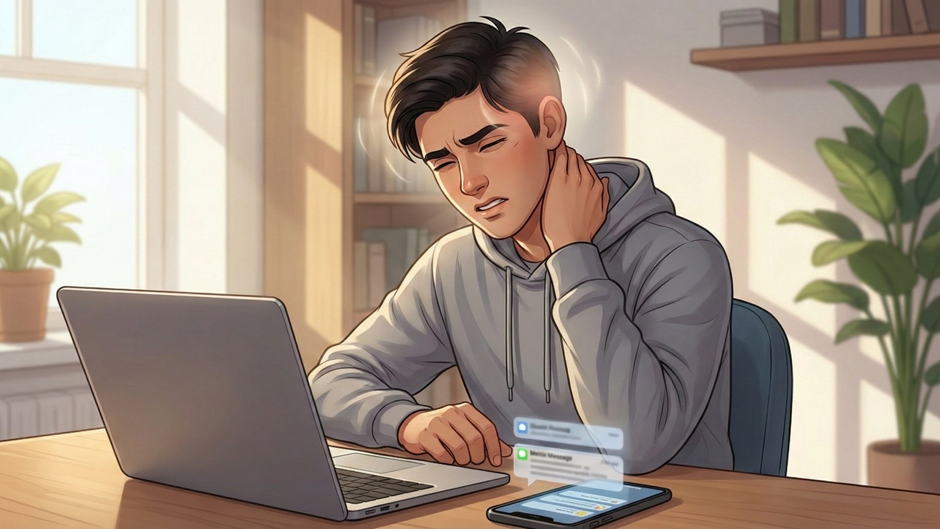
I see this firsthand.
Almost every teenager who visits my clinic; especially those between 15 and 18; brings some version of this with them. It may be masked as anger, sadness, or irritation. But the root is the same: comparison, validation, and disconnection from their real selves.
Here’s the good news: this isn’t irreversible. We can turn this around.
And it starts at home.
We need to rebuild real communication; not screen-based chats, but actual, verbal, eye-to-eye conversation. A mobile phone has words, yes. But it doesn’t have the warmth of voice or the depth of presence. Parents, especially, have the power to reopen this channel. It takes time. But it’s possible.
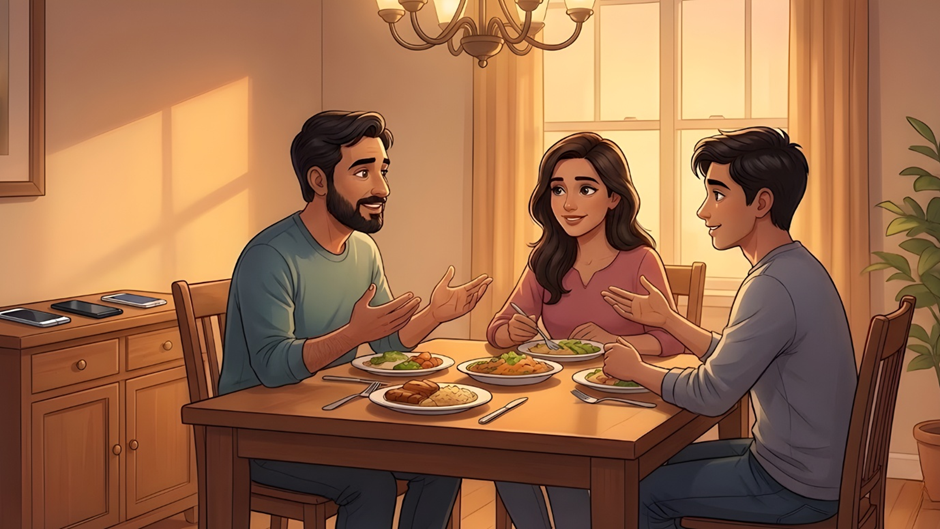
Limit mobile use. Set boundaries around what’s shared online. Help children see the curated nature of the digital world; that what we see isn’t always what’s real. Encourage them to pursue something new. Learn a skill. Explore an art. Discover a hidden interest.
Most importantly, teach them to stop asking, “What will people say?”
Show them how to stop comparing. Because from comparison comes the toxic belief that everyone else has something I don’t… and never will. This belief eats away at contentment. We have to break it early.
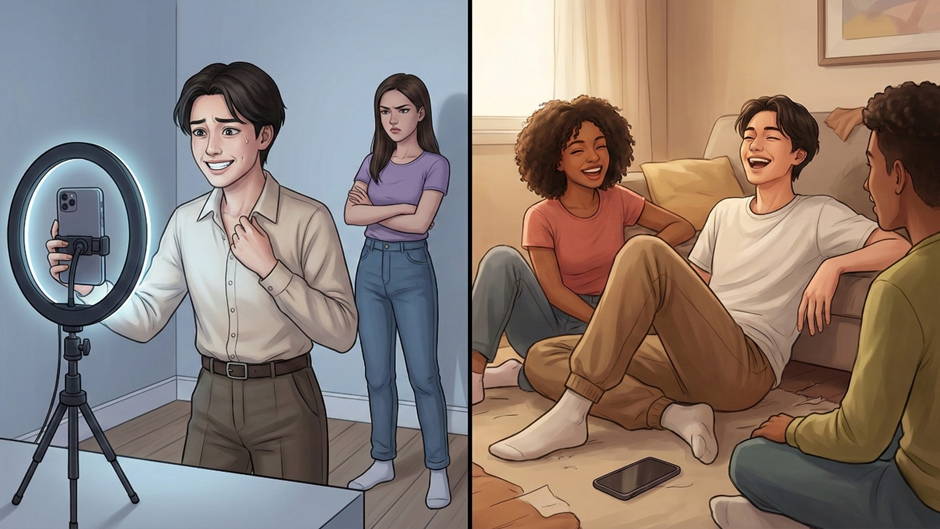
Children need to understand that life; real life; is not always photogenic. It’s not perfect. And it doesn’t have to be. Social media shows us carefully crafted joy. But we must remind our children that behind every glowing reel is a moment of reality that looks a lot like ours.
And finally; perhaps the most important message of all:
What we do have is more than enough.
Everything we’ve been given; by fate, by faith, by family; is a gift. When we stop to recognize that, we shift from scarcity to gratitude. And in that shift, something changes.
The antidote to FOMO isn’t silence. It’s thankfulness.
Confucius once said, “A healthy man wants a thousand things. A sick man only wants one.” That line sits heavy in the heart; especially today.
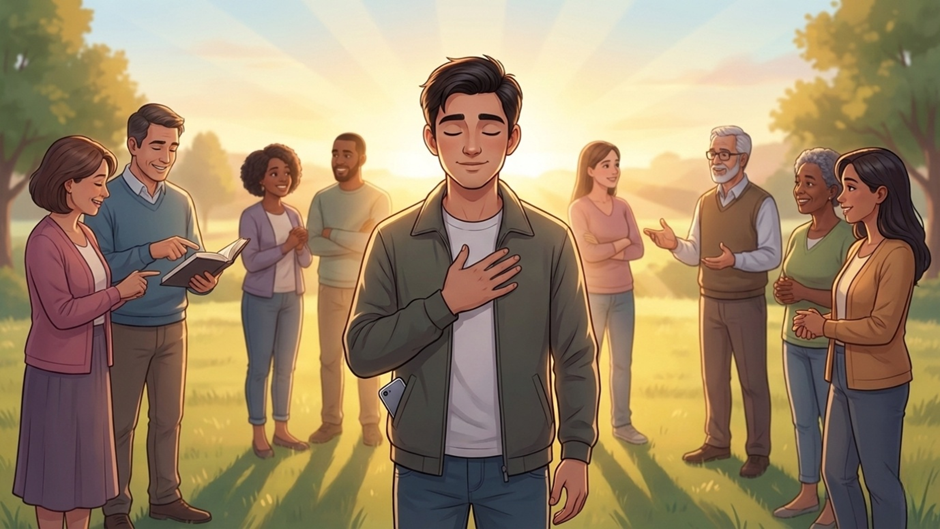
When the minds of this generation feel the pull of comparison, when they feel they’re falling behind; it is with full faith that I say: parents and teachers can help them return to center. We can reconnect them to themselves. And we must.