



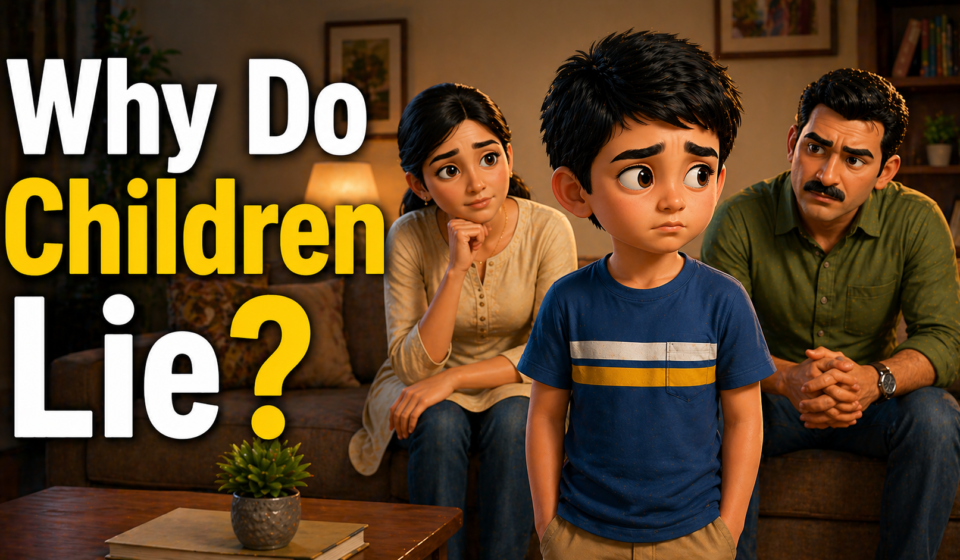

When discussing child behaviour, one topic that inevitably arises is lying. Many parents express concern, saying, “My child has started lying,” or “Lying has become a habit.” What’s often missed in these concerns is a deeper understanding of the child’s intent. Parents commonly assume that if a child lies, the motive behind it must be dishonest. But jumping to such conclusions; without examining context or intention; can be more harmful than helpful.
Table Of Content
What Really Counts as a “Lie”?
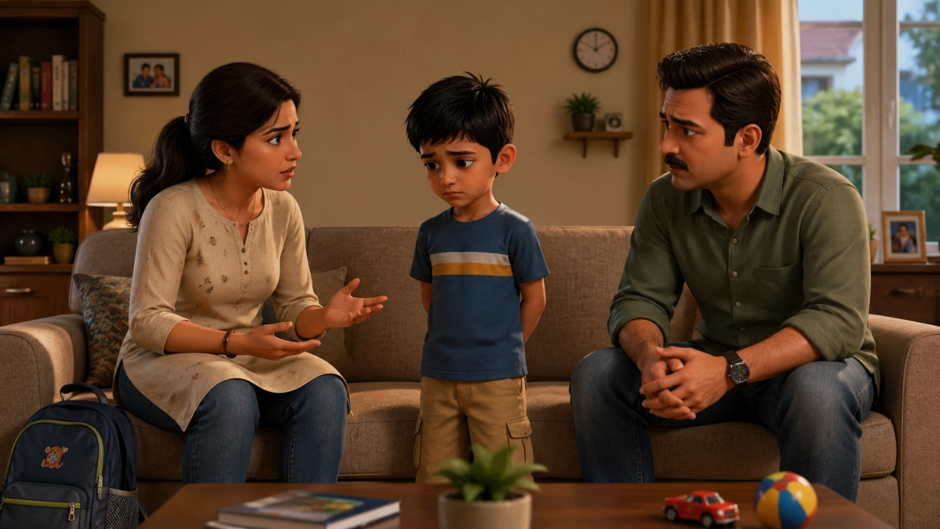
When parents consult a psychologist with concerns about lying, the very first step is to explore the why. Why is the child lying? Most children, especially between the ages of five and twelve, go through a phase where lying becomes part of their behavioural vocabulary. At this stage, their moral compass is still forming. They are still learning how to differentiate between truth and falsehood. They don’t fully grasp that lying is considered deceptive.
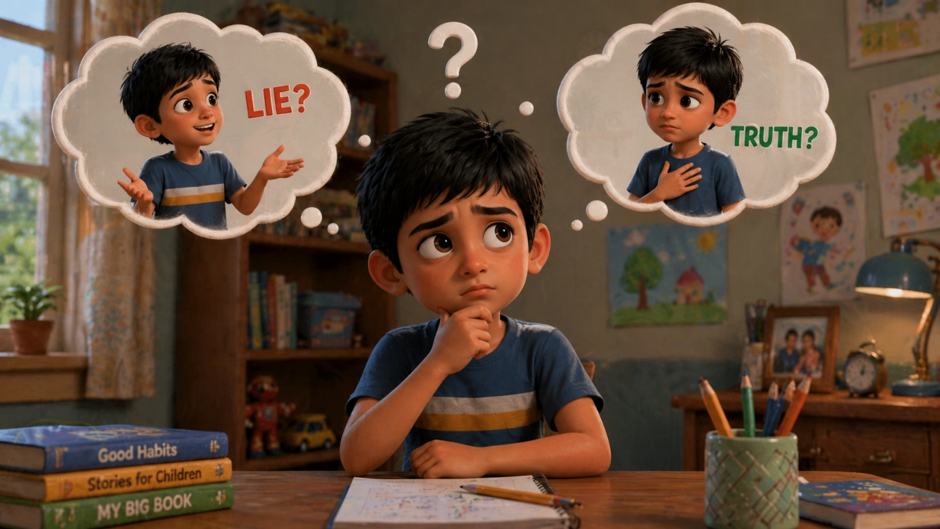
Here’s a scenario that illustrates this nuance:
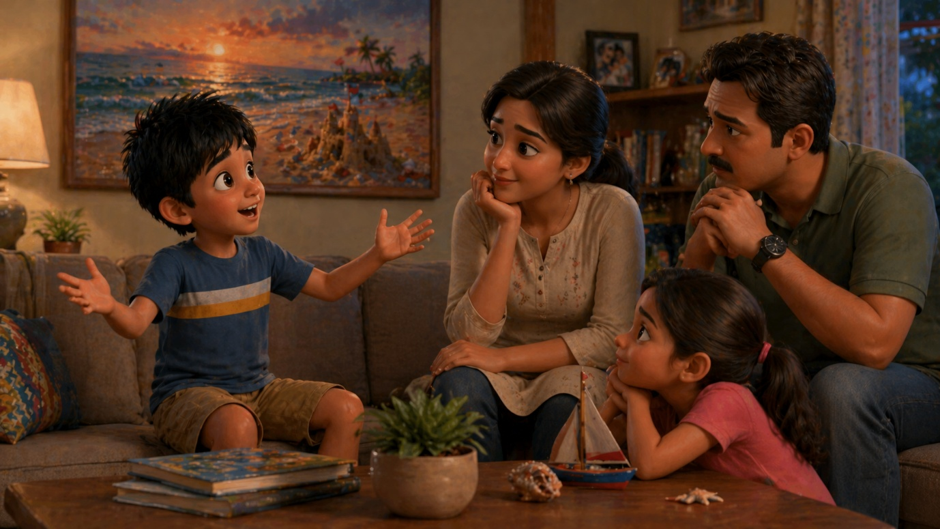
One evening, a young boy named Mastan returned from a walk by the seashore and began describing what he saw. He spoke excitedly about colourful fish in the sea, leaping waves that played music, the glowing sun, the pink-orange skies, and the sandcastles he built. His narration was vivid; perhaps a bit too vivid; and his family felt he was making things up.

Do waves really “serve music”? In reality, waves can be loud, wild, even frightening. But to Mastan, carried away by imagination, even an ordinary walk turned magical. He was reliving the moment in his own way. His descriptions were exaggerated, yes; but not dishonest. It wasn’t a lie. He was expressing wonder, not trying to deceive.
This is where intention matters. If a child deliberately tries to mislead, we can call it lying. But when a child’s words are driven by imagination, confusion, or emotion; it’s important not to mislabel the behaviour.
Lies Inspired by Play, Pressure, or Parents
Children often say things that aren’t true; but not out of malice. Sometimes, their version of events gets tangled because they’re unsure or confused. The more we press them for details, the more lost they become in their own narration.
Some lies are simply playful; meant to amuse, tease, or surprise. In sibling rivalries, children may lie just to get a brother or sister in trouble. It’s not serious deception; it’s mischief.
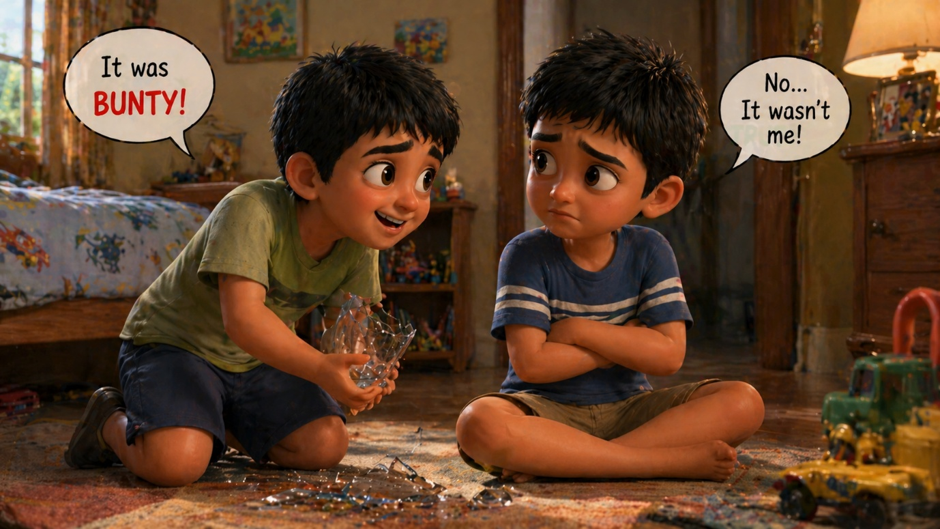
At other times, children lie under pressure. For example, when a parent says, “Tell the neighbour we don’t have sugar,” even when the kitchen is stocked; what message does that send? In such cases, children are taught to lie by those they trust most.
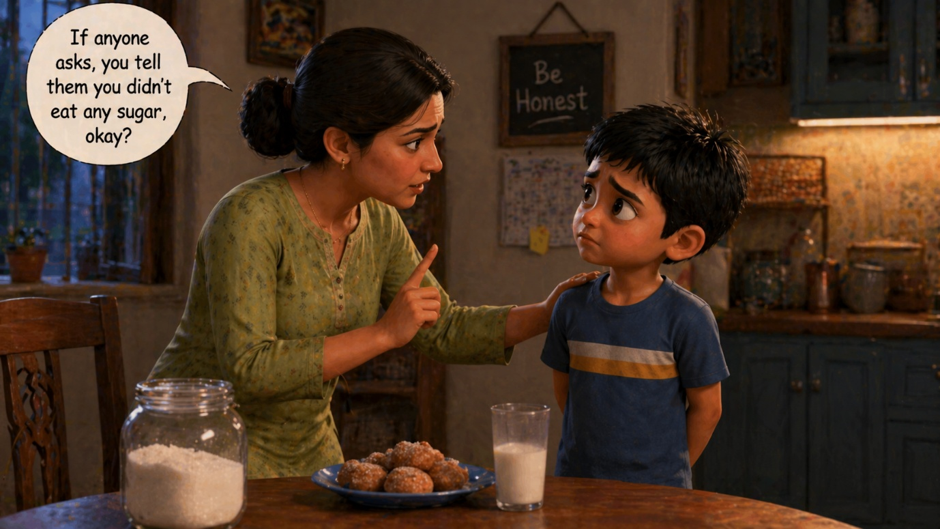
These aren’t just childish fibs; they are lessons absorbed at home. And when children lie to avoid blame, escape scolding, or win praise, it’s often the environment; not the child; that needs to be examined.
Who’s Really Responsible?
Here’s the heart of the issue: Why do children lie?
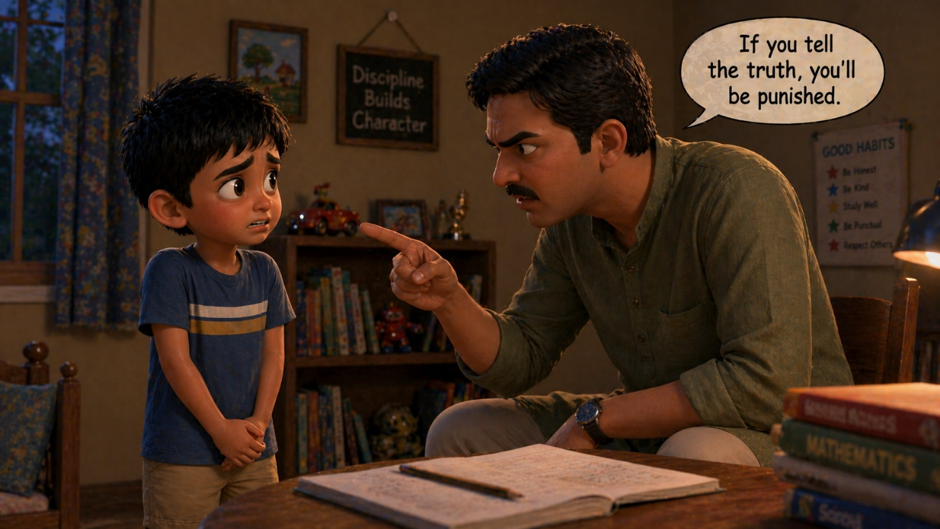
Most often, it’s a coping mechanism. A child who is frequently scolded may choose to lie rather than risk more punishment. A child who feels ignored, unloved, or unsafe at home may exaggerate stories to gain attention or approval.
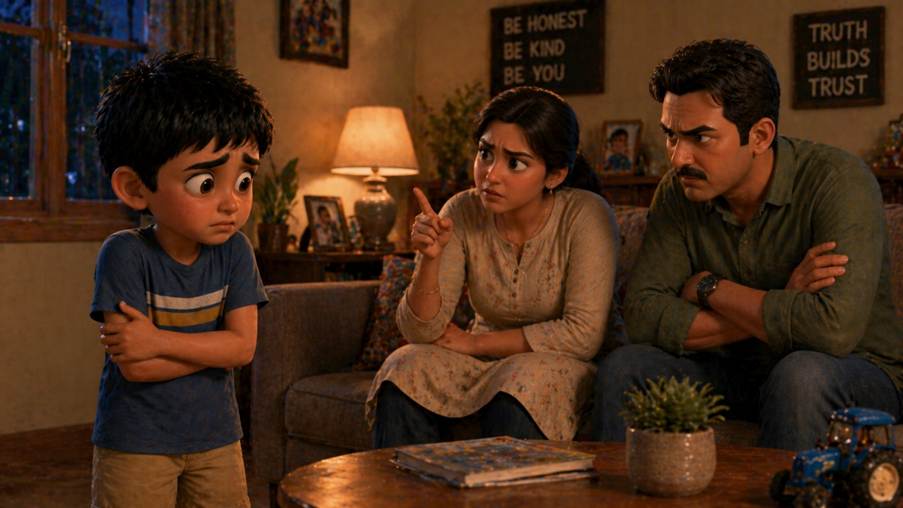
This is especially true in homes filled with constant rules and restrictions. Children who feel they must hide things; where they go, who they meet, what they do; begin to develop a secretive mindset. Lying becomes a way to protect themselves or their friends. But in many of these cases, it’s fear; not dishonesty; that drives them.
The truth? Parents are often unintentionally responsible for the very behaviour they complain about.
Double Standards Hurt
Children are keen observers. They watch everything adults do. So when parents themselves bend the truth, avoid uncomfortable truths, or tell “small lies” to others, it sets an example. And yet, these same parents expect absolute honesty from their children.

That’s not fair. When children see inconsistency between what’s preached and what’s practiced, confusion takes root. Their sense of right and wrong becomes blurred.
If lying becomes a habit, parents must look inward. Is the home environment nurturing or threatening? Do children feel heard, safe, and accepted; or judged and punished?
When to Get Help
In extreme cases, a child may lie compulsively; so much so that they no longer distinguish between reality and fabrication. Some children may lie even when there’s no gain, no reason. In such instances, professional help is crucial.
Certain medical conditions like epilepsy or cognitive delays can also affect a child’s ability to process or communicate the truth. These situations should not be taken lightly. If your child insists they’re telling the truth even when caught in a clear lie, it may be time to consult a psychologist.

Early intervention is key. Left unchecked, compulsive lying can become part of a child’s character, and later, lead to destructive, even antisocial behaviour.
As the saying goes: “It’s easier to bend a twig than a tree.” Parents and caregivers must be alert; so that a manageable behaviour today doesn’t grow into a crisis tomorrow.