



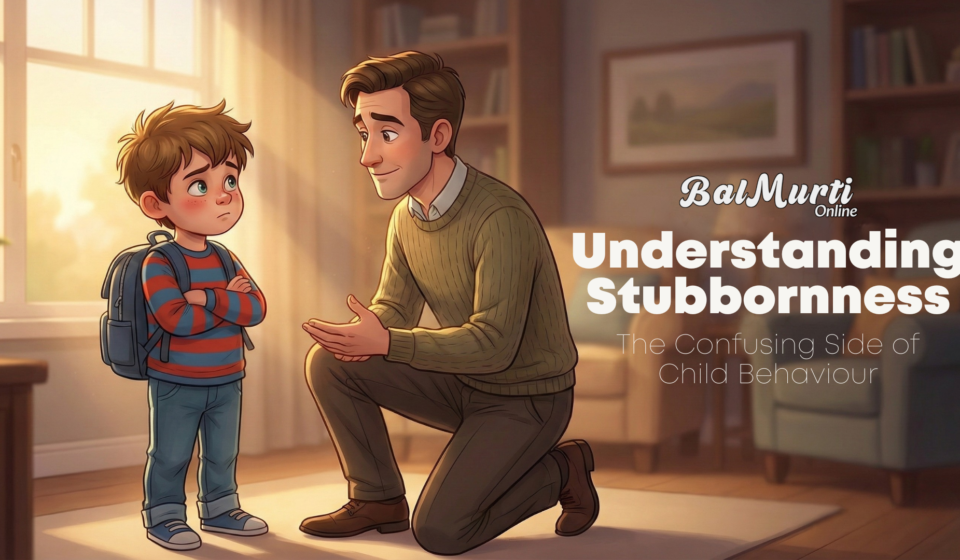

A concerned father puts it plainly:
“My son is three and a half. He’s extremely stubborn. If we say no to anything, he throws a tantrum. It’s like he won’t stop until we give in. What should we do?”
Table Of Content
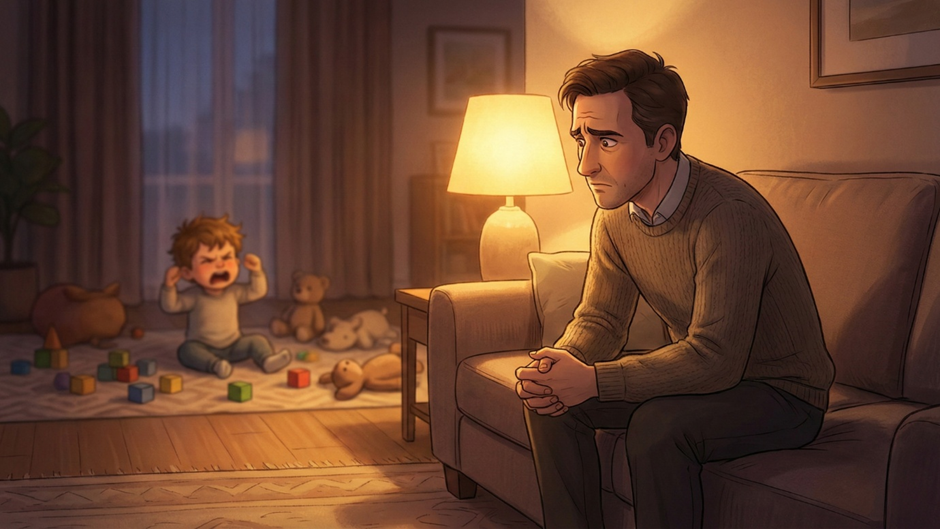
Let’s break it down.
Stubborn behaviour at this age isn’t unusual. In fact, it’s expected. Somewhere around one and a half, kids begin showing signs of willpower; which can often look like defiance. But it’s part of normal development. If you’re a parent, here’s the most important thing to understand: this phase is not about defeating your child. It’s about staying steady.

By the time they turn three, most children; when given healthy family interactions and space to grow; start softening on their own. But when parents respond to early stubbornness with impatience or force, something shifts. A quiet psychological power struggle begins. And more often than not, the child wins.
The smarter way? Don’t push. Don’t break. Hold your ground, yes; but do it with patience, not punishment.
Why Stubbornness Grows and When It Signals Something Deeper
If your child’s behaviour goes beyond occasional resistance; if it starts to feel chronic or disruptive; look beyond the surface. There’s usually something feeding it.

Here are some common causes:
- Lack of emotional connection or attention from parents
- Constant conflict or tension in the home
- Feelings of confusion or frustration that the child can’t express
- Trouble at school or in social settings
- The emotional shake-up that comes with a new sibling
In these situations, stubbornness becomes a child’s language for inner distress. They’re not just being difficult; they’re struggling. And what they need isn’t punishment, but understanding.
Don’t Argue. Don’t Escalate. Step Away.
When your child is mid-outburst, don’t debate. Don’t shout. Don’t match their energy. Walk away.
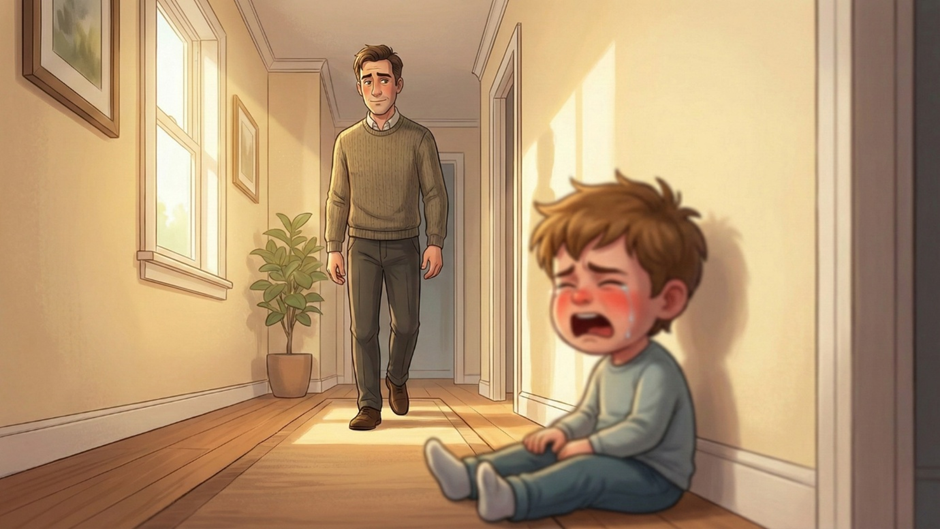
Yes, really.
Arguing with a child in that state only confirms one thing: their behaviour controls your attention. And the moment they learn that, your authority weakens.
Instead, stay calm and wait. When they cool off, that’s your window to teach; not punish.
Be Clear About What’s Negotiable and What’s Not
Start by identifying the root of the demand. Is it about control? Comfort? Expression? Then decide: is this something you can allow, or something you must hold firm on?
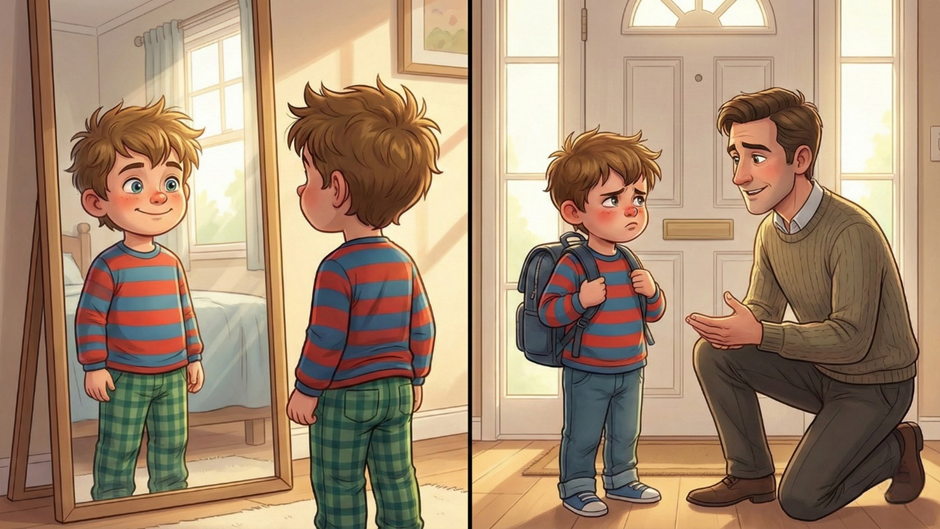
Here’s an example. If your child throws a fit about not wanting to go to school, that’s non-negotiable. But if they’re insisting on wearing mismatched clothes or skipping a vegetable they dislike; it might not be worth turning into a full-blown battle. Save your energy for what matters.
Children learn quickly which boundaries are flexible and which aren’t. Your job is to be clear, consistent, and united; as parents, and as a household.
Consistency Builds Trust. And Authority.
Once you’ve set a rule, don’t bend it one day and enforce it the next. That sends mixed signals; and kids will always find the loophole.
Let’s say you’ve decided that no one watches TV before finishing homework. Then hold that line. Every time. No exceptions. When expectations are consistent, children stop testing them. They adapt.

Here’s what not to do: give a rule, then argue about it mid-tantrum. That’s not discipline; that’s a debate. And it never ends well.
When your child is calm, revisit the rules together:
- Homework first, TV later
- No using harsh words or yelling
- Bedtime stays consistent
- Brush before milk
- Help with one small task at home
And yes; occasionally letting them pick their favourite clothes or skip a dish they dislike is totally fine. Flexibility, when thoughtful, builds trust; not entitlement.
What If It Goes Too Far?
If your child’s stubbornness crosses into outright defiance or inappropriate behaviour, consequences are necessary. And no, that doesn’t mean yelling.
Try this:
- Skip a favourite cartoon for a day
- Postpone a treat for a week
- Set quiet time without screen time
One small, meaningful consequence can reset behaviour. The point isn’t to punish; it’s to bring attention back to what matters.
The golden rule: once a boundary is drawn, don’t move it. Say it once, and mean it.
The Real Shift Starts With You

You can’t change your child’s basic personality; but you can change how you respond. And that changes everything.
When your tone is steady, your rules are clear, and your love is constant; even stubbornness loses its power.