



Q: If a baby under three months cries a lot, does it always mean they are hungry? Giving formula or water seems to calm them. Does that prove they were hungry?
A: No.
Babies cry for many reasons. (See “Why Babies Cry?” for more.)
Sometimes when you give anything to drink, the baby’s attention simply shifts and they stop crying, but that does not mean the cry was due to hunger.
Table Of Content
- Q: If a baby under three months cries a lot, does it always mean they are hungry? Giving formula or water seems to calm them. Does that prove they were hungry?
- Q: If the mother has a fever, can she still feed the baby with mother’s milk?
- Q: My baby is receiving only mother’s milk and poops once every 8–10 days. Is this constipation or do they need medicine?
- Q: If a premature baby is not feeding well, should formula be started?
- Q: My baby vomits right after feeding. Is this a sign of illness?
- Q: If I have twins, can I produce enough milk for both? Or should I start formula?
- Q: I am pregnant again, and my first child is ten months old. Should I stop giving mother’s milk?
- Q: How long should feeding with mother’s milk continue?
- Q: Do babies under six months who receive only mother’s milk need vitamin or iron supplements?
If the baby urinates more than five times in 24 hours and is gaining weight normally, hunger is not the cause.
Q: If the mother has a fever, can she still feed the baby with mother’s milk?

A: Yes.
Unless the mother is seriously unwell or too weak to feed, she can continue feeding with mother’s milk.
Q: My baby is receiving only mother’s milk and poops once every 8–10 days. Is this constipation or do they need medicine?
A: No.
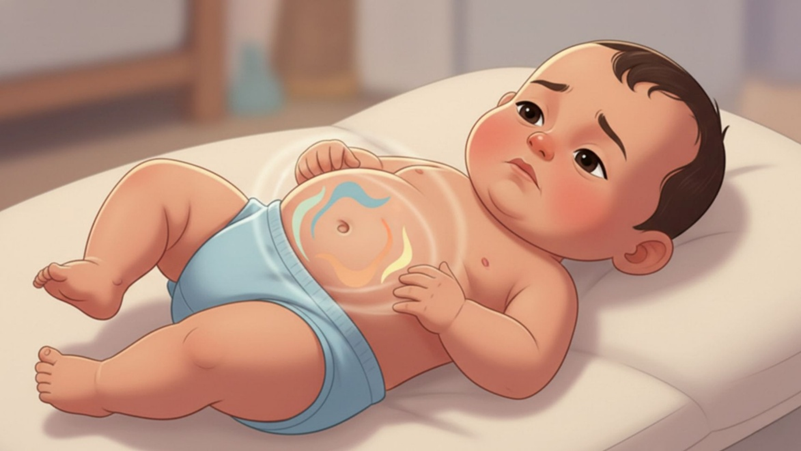
If the poop is soft, like a toothpaste-like consistency, it is not constipation. No medicine is needed.
Some babies who feed only on mother’s milk may also poop 10–15 times a day in small amounts. Both patterns are normal as long as the baby is gaining weight well.
Q: If a premature baby is not feeding well, should formula be started?

A: No.
Avoid giving anything other than mother’s milk at this stage.
You can express mother’s milk into a clean bowl and feed the baby from it as needed. Even without refrigeration, expressed milk stays safe for up to eight hours at room temperature.
Q: My baby vomits right after feeding. Is this a sign of illness?

A: If the baby is feeding regularly, gaining weight properly, and has no fever or other concerning symptoms, there is no reason to worry.
If the baby begins losing weight, consult a doctor.
Q: If I have twins, can I produce enough milk for both? Or should I start formula?

A: Yes, mother’s milk is enough even for twins.
Feed one baby on each side.
Avoid starting formula too quickly. More feeding naturally increases mother’s milk supply.
Q: I am pregnant again, and my first child is ten months old. Should I stop giving mother’s milk?

A: Ideally, there should be a three-year gap between pregnancies.
If pregnancy happens earlier, stopping mother’s milk feeding may harm the first baby, and the mother’s body may not have fully recovered.
Feeding with mother’s milk can continue until the seventh month of pregnancy if the mother is healthy and well-nourished.
After that, it depends on the mother’s health and the doctor’s advice.
Q: How long should feeding with mother’s milk continue?

A: Start solid foods after six months.
After that, the baby can continue receiving mother’s milk as long as they want.
Studies show that babies who continue feeding longer on mother’s milk often have better brain development and may perform better in subjects like math and science.
Q: Do babies under six months who receive only mother’s milk need vitamin or iron supplements?

A: If the mother is healthy and does not have vitamin or iron deficiencies, the baby usually does not need supplements.
If the mother has low iron or vitamin levels, the baby may need drops after discussing with a doctor.
Disclaimer: The content shared on Balmurti Online including articles, stories, website features, podcasts, videos, and other materials reflects the personal views and experiences of individual contributors. We share these with the intention of encouraging thoughtful reflection and open dialogue among parents, educators, and our wider community. While we value every voice, the views expressed may not always represent those of the publication or its parent organization.