





Stubbornness; it shows up in every child’s nature. The moment a parent says something, the child does the exact opposite. It’s not always mischief; it just feels right to them. Especially once they start primary school, you begin to see this streak in daily life. You say something, they answer back. You sit down to eat, and your fourth-standard kid makes excuses. It’s bedtime, but they won’t stop watching TV. School bag never goes where it should. Shoes? Forget it.

Let’s be honest: most of this falls on the mother. Fathers are usually tied up in jobs or business. That means it’s mom who ends up facing the back talk and stubborn behavior head-on. A child under six might throw a fit, but they still listen. Once school starts, a different phase begins; one where the resistance comes with sharp edges. And then, come the teenage years? Expect defiance, rebellion, and a whole lot of attitude.
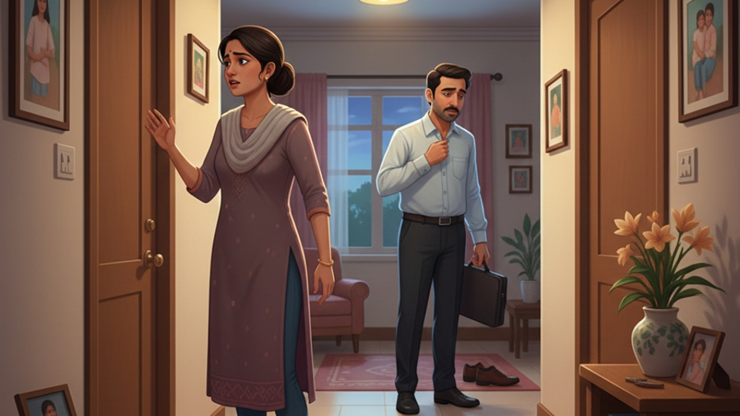
Here’s the thing. As your child grows, so do their reactions; and you need to be ready. In this article, we’re talking about back talk and how to handle it.
When your child starts mouthing off, your instinct might be to snap. To raise your voice. To clamp down hard. But here’s what usually happens: it backfires. The child might not argue loudly, but they’ll quietly ignore you. They’ll carry on as if nothing was said, cool as ever. Why? Because their goal is to chip away at your authority.
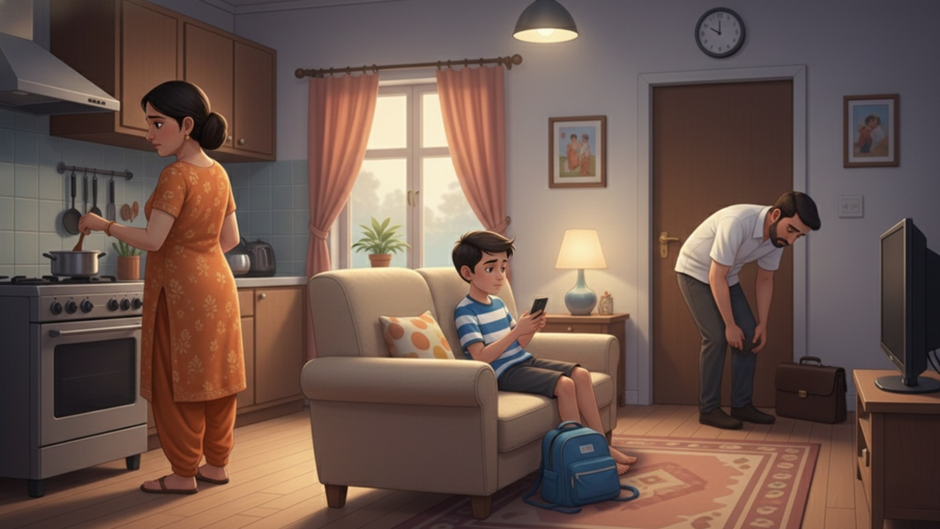
So what should a parent; especially a mother; do?
First, remember: using power to crush back talk will only sharpen it. Shouting, threatening, losing your temper; none of that helps.
Lines like, “Just wait till your father comes home” don’t work either. If you say that, you’re admitting you’ve lost control. And when dad comes home tired, he might not even back you up. You’re left upset, with nothing to show for it.

From ages 6 to 12, back talk is common; even in the smartest of kids. Expect obedience to top out at about 80%. And that’s okay. In fact, it’s smarter to accept this than to fight every battle.
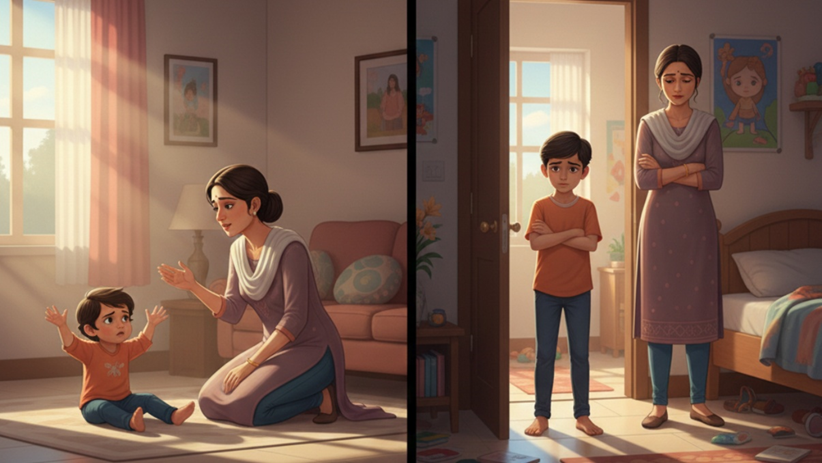
But here’s a flip side worth noting. Even the most stubborn child will, at some point, try to do what you want. Deep down, kids want to please you. They’re looking for approval. They want your affection.
Problem is, most parents overlook the good moments; and harp only on the bad.
Here’s what works: when your child shows a good attitude; even once; praise it. Celebrate it. Say “well done.” A simple pat on the back can do wonders. This is called positive reinforcement. When good behavior earns recognition, it tends to stick.

If, instead, every slip-up earns a scolding or punishment, the child learns to use those very behaviors as weapons. Negative reinforcement fuels resistance.
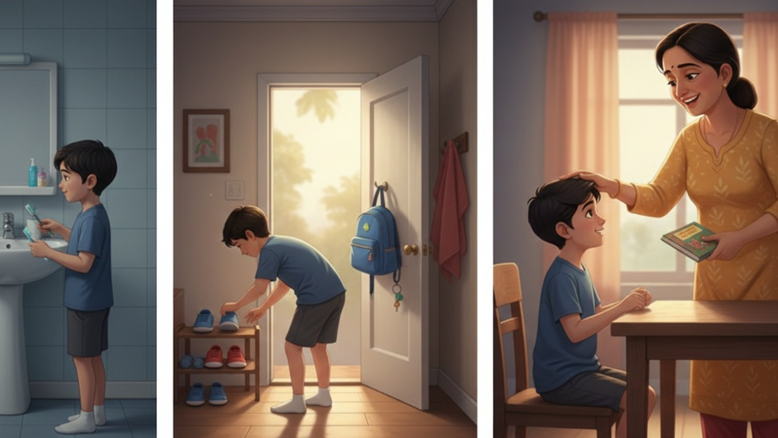
Imagine this: your child, without being told, brushes before bed, takes off their shoes and lines them up, puts their school bag away, washes up, and comes to dinner. That’s your moment. A pat on the head. A warm smile. Maybe even a chocolate or a favorite storybook. That’s how you reinforce what you want to see more of.
Shaping a child is like building a house; brick by brick. Even the most carefully constructed home may have imperfections. Same goes for parenting. You can lay out the perfect blueprint, but a few rough edges will remain. And that’s okay.

Now, when criticism is needed, do it with grace. Don’t shout or shame. Add affection to your words. Call them “beta,” “dear,” “son,” or “daughter.” Speak as if you’re guiding, not commanding. What scolding won’t achieve, gentle words can.
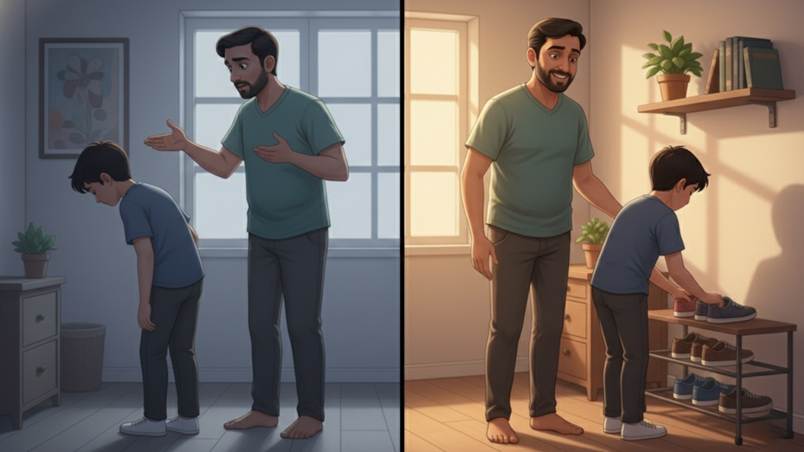
And yes, sometimes, pitch in. Say something like: “We’re heading to the market in 30 minutes. I need to buy a few things for you too. If you finish your homework quickly, we’ll have time. I’ve got some time; want me to help you finish a bit?”

That kind of offer motivates more than any lecture ever could.
If your child’s back talk keeps pressing your buttons, here’s a quick cheat sheet:
What Not to Do:

- Don’t threaten, shame, or scold in public.
- Don’t raise your hand.
- Don’t list their faults in front of others.
- Don’t look at your child as “less.” They are always worthy of love, even when they mess up.
What You Can Do:
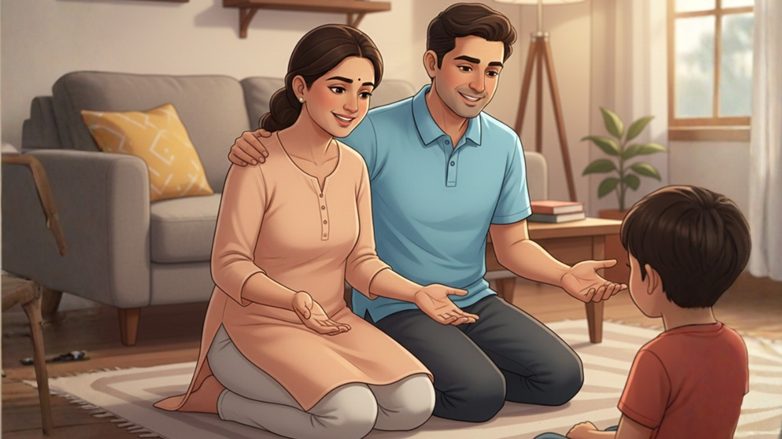
- Ask instead of order.
- Offer help if they need it.
- Lead by example; show them what you want to see.
- Acknowledge good behavior instantly. Small rewards can make a big difference.
Disclaimer: The content shared on Balmurti Online—including articles, stories, website features, podcasts, videos, and other materials—reflects the personal views and experiences of individual contributors. We share these with the intention of encouraging thoughtful reflection and open dialogue among parents, educators, and our wider community. While we value every voice, the views expressed may not always represent those of the publication or its parent organization.