



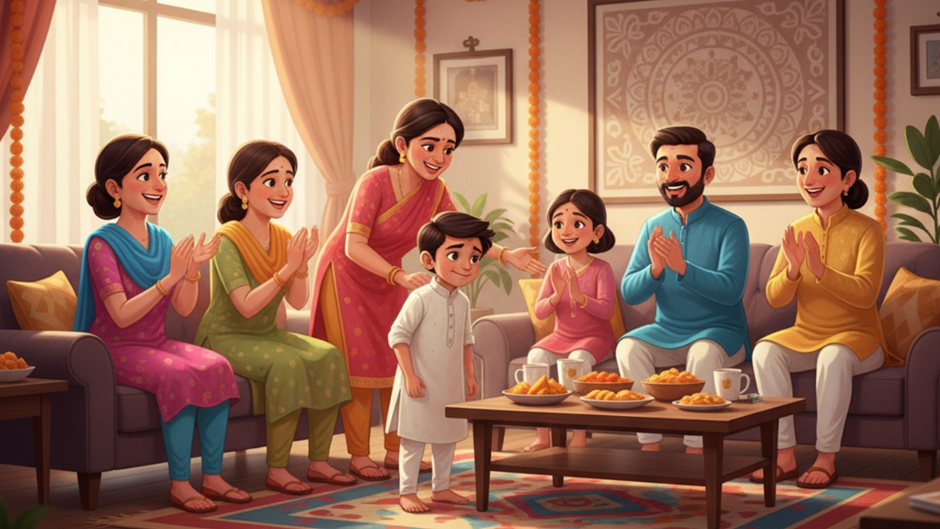
You’ve probably seen it. Parents who treat their children more like toys than people. They bring them out when they’re in the mood to be entertained. A song here, a dance there; a performance for guests, a moment of pride. They mean well. But somewhere between pride and performance, something gets lost.
Yes, it’s natural to be proud when your child is charming, clever, or talented. But when that pride turns into possessiveness, when the child becomes a tool for adult satisfaction, we cross into dangerous territory; often without even realizing it.
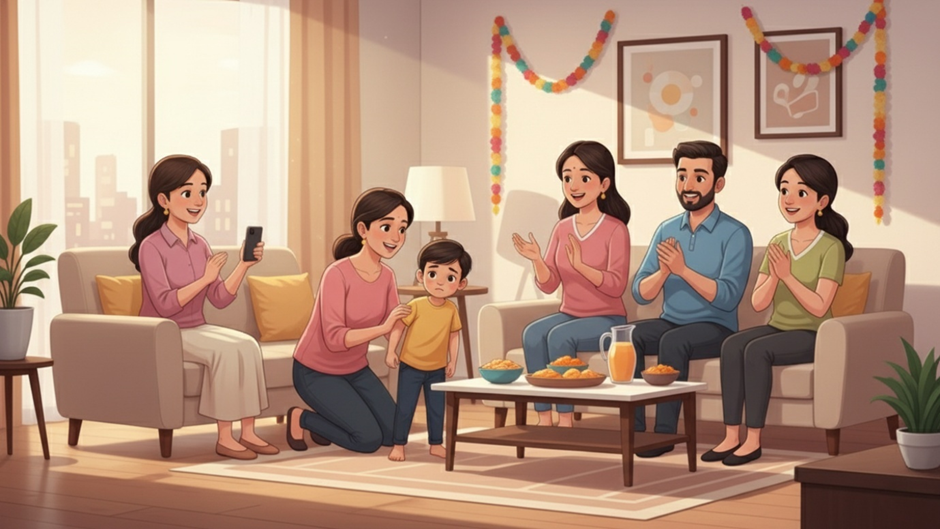
Let’s break it down.
If a child sings beautifully, plays an instrument, or shows a flair for dancing, it’s wonderful to notice and nurture that. When parents support those interests; giving space, time, and gentle guidance; they’re contributing meaningfully to the child’s development.
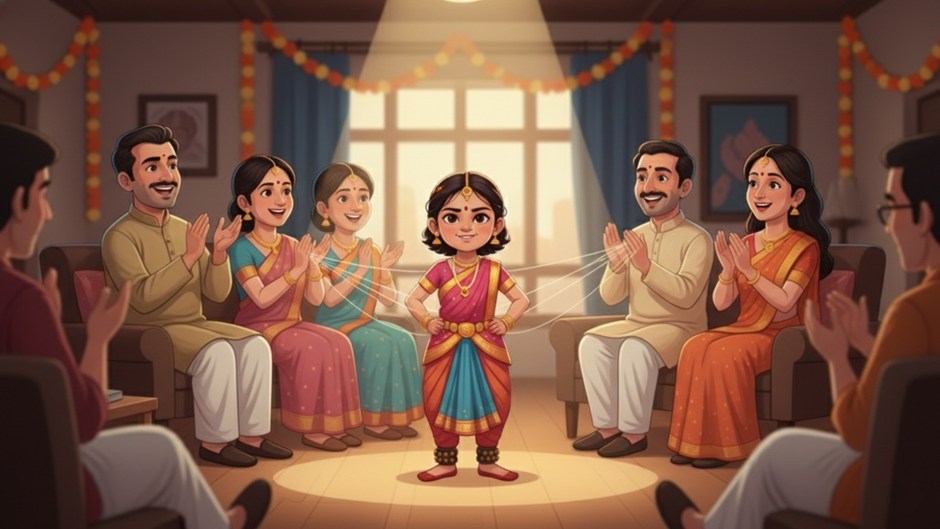
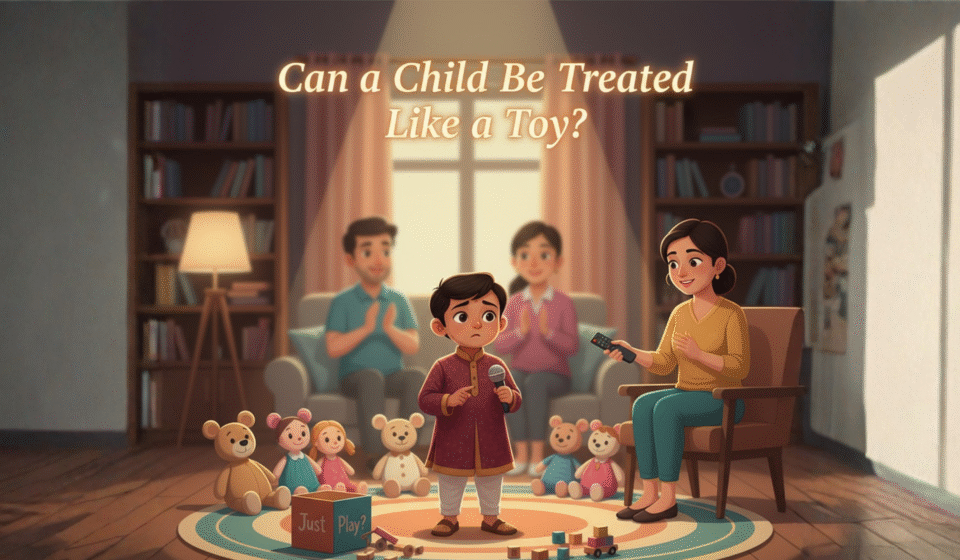
But if a child happens to hum a few catchy songs from the radio, and the parents latch onto that and demand repeat performances every time someone visits; that’s something else entirely. The child becomes an act. A button parents push when they want attention or praise. Whether the child wants to sing or not doesn’t matter. They’re expected to perform. Period.
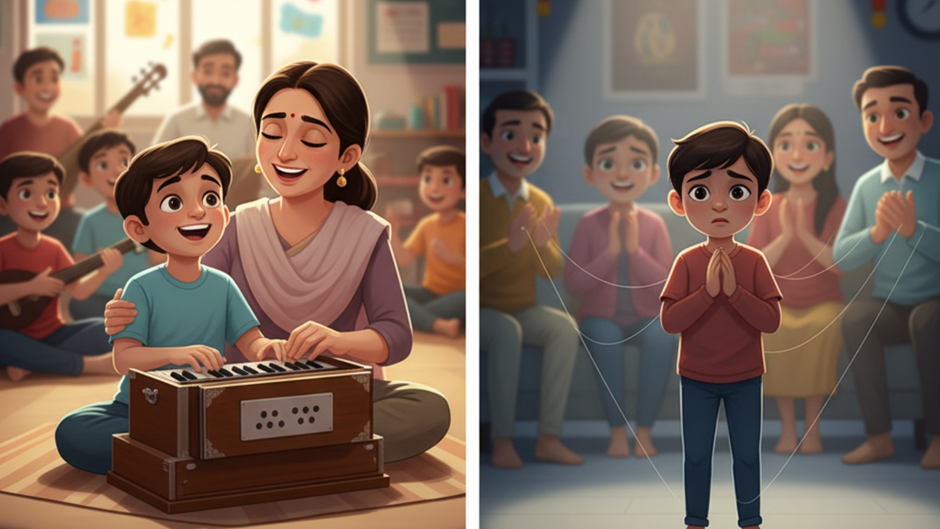
Guests are supposed to clap. Parents are supposed to beam. And the child? They’re learning that their value lies in applause.
Over time, the child starts to believe they must always deliver. That they have to be ready; like a circus animal; to impress, to entertain, to please. The cost? Authenticity. Confidence. Joy.
And this isn’t just about performances. Sometimes, it’s deeper.
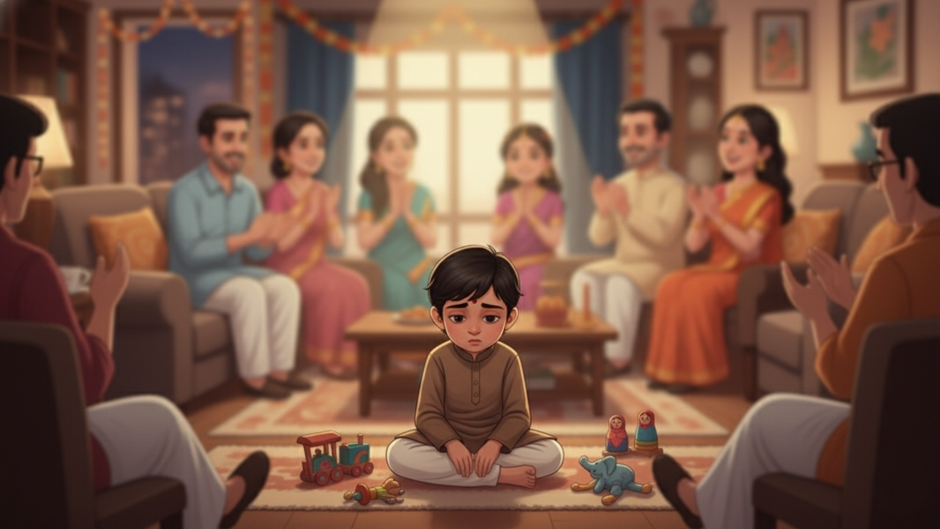
In families where one parent has passed away, especially when the child is young, it’s understandable that the child becomes a source of comfort. Take a household where the father is no longer alive, and the mother pours her love and sorrow into raising her child. That’s human. But when that grief becomes possession; when the mother won’t let the child go out to play, socialize, or be part of a wider world; it turns suffocating.
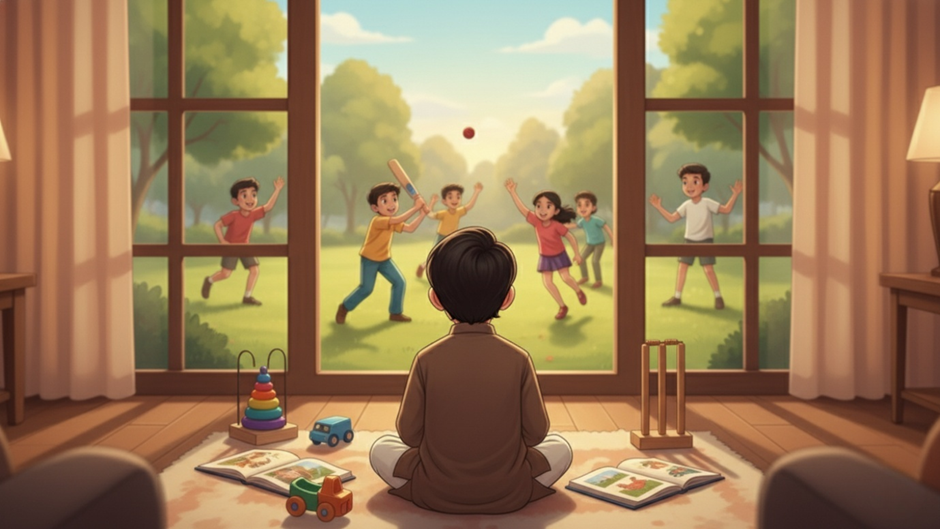
You can’t raise a child in isolation and expect them to become whole.
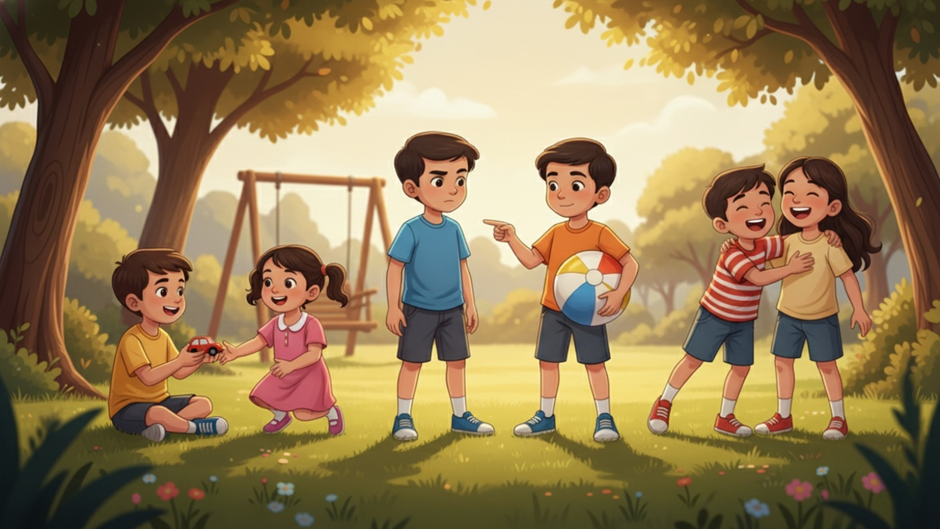
Play is not a luxury. It’s not a break from learning. It is learning. Children build their world through games. When they share a toy, when they argue and make up, when they lose a game and try again; that’s how they learn fairness, boundaries, negotiation, and resilience.
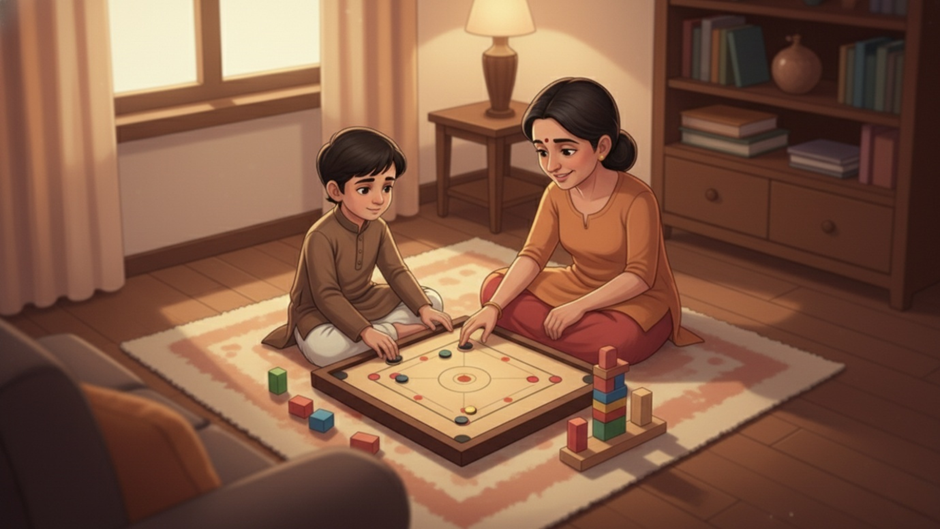
Even quiet games matter. Picture cards, chess, carrom, building blocks; these aren’t time-pass. They build focus, problem-solving skills, and patience. Just like climbing trees or playing tag builds strength and agility.
Let’s be clear: A child who plays is not “mischievous.” A quiet child is not automatically “intelligent.” Those assumptions do more harm than good.
Children are not tools for our amusement. They are not proxies for our grief, or our pride. They’re people; still becoming; and they deserve space to grow into who they truly are.
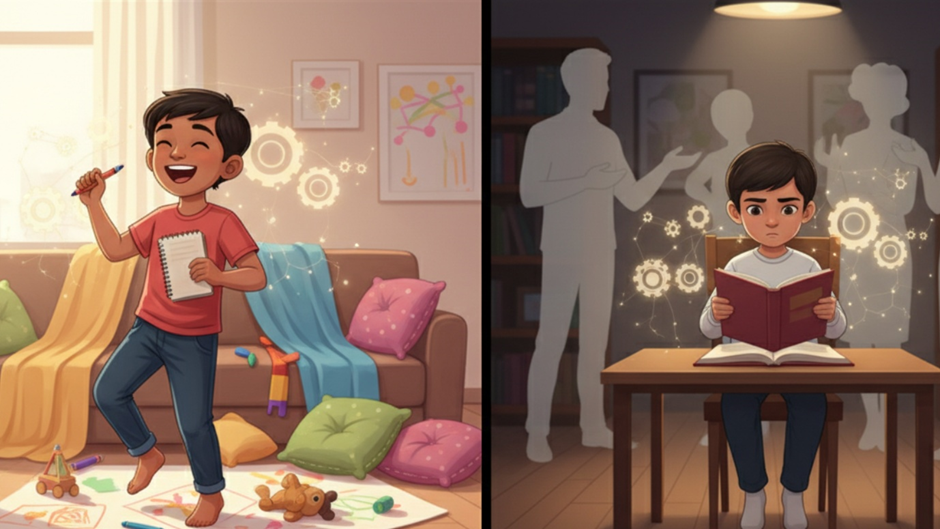
Let them sing when they want to. Let them rest when they need to. Let them play. Let them choose.
Because childhood is not a performance. And a child is not a toy.
Disclaimer: The content shared on Balmurti Online including articles, stories, website features, podcasts, videos, and other materials reflects the personal views and experiences of individual contributors. We share these with the intention of encouraging thoughtful reflection and open dialogue among parents, educators, and our wider community. While we value every voice, the views expressed may not always represent those of the publication or its parent organization.