





Recently, I went to my daughter’s house. As I was climbing the stairs, I overheard a conversation on the ground floor that inspired me to write this article.

It was around 7:00 in the evening. A mother was calling her daughter back home from playing in the society’s compound. The daughter came inside and immediately said, “Mummy, I want to watch mobile for a while.” The mother instantly refused and said, “Go sit and do your lessons.” The daughter replied quickly, “I won’t do lessons now no matter what you say.” The mother, getting slightly angry, said, “You won’t get the mobile even if you don’t study.”
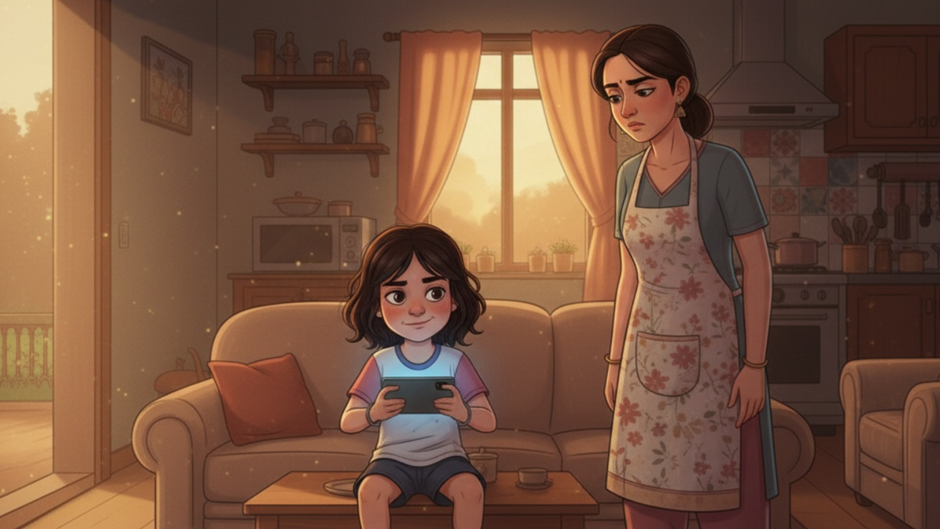
When things didn’t go her way, both mother and daughter stuck to their stances. Then came all the unpleasant arguments. The daughter grew more irritable. The mother said, “Let’s call your father. We’ll even stop your playtime.” Even after involving the father, the result of the threats… was the daughter’s victory.
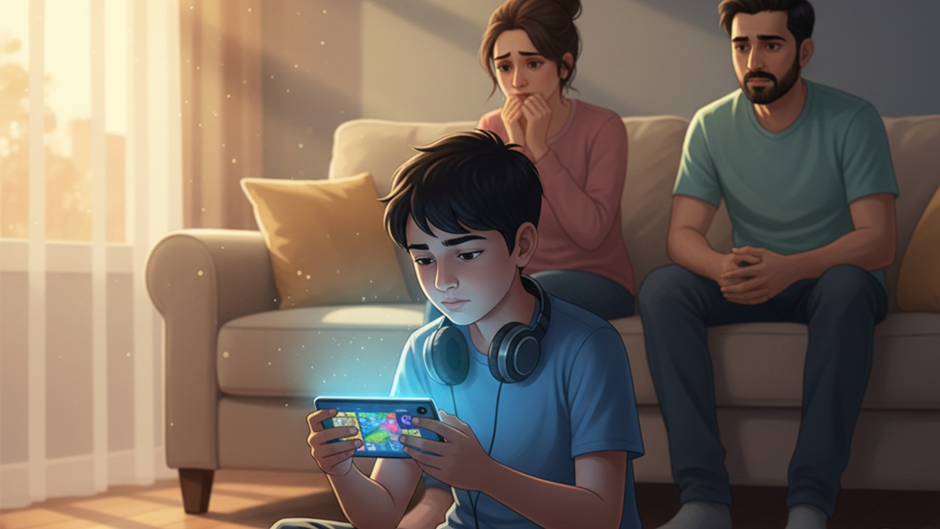
The real question is; why are children so addicted to social media to this extent? And if they are, who is responsible? The parents, the family members, or the society at large? Where are we going wrong?
Australia has banned social media for children under 16 years of age. Is such a thing possible in our country? If yes, how successful could it be? And who is willing to take how much responsibility for it?
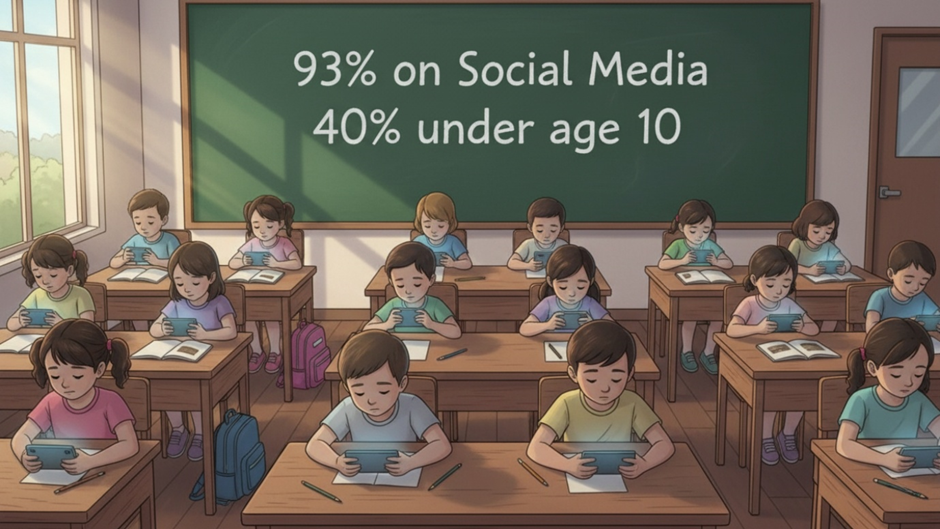
Alarming statistics say that 93% of children regularly use social media. 40% of children under 10 years old, and 91% of those under 14 use it. These are shocking numbers; but they are true.
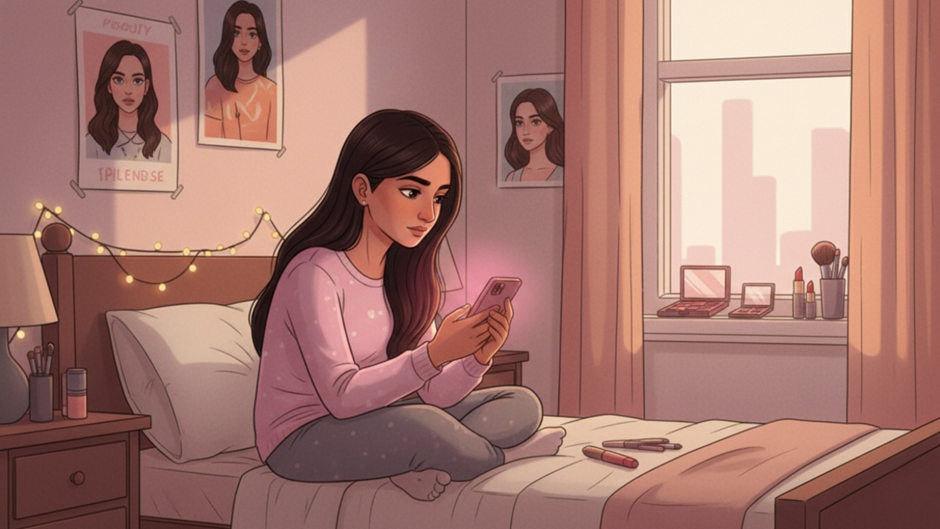
First, let’s look at the issues and challenges children are facing. The content available on mobile is not all appropriate to watch or listen to. Especially girls start to believe that their body must be perfect and that looking beautiful is very important. Without understanding anything properly, they try to follow whatever they see. Is that right?

Boys are falling victim to this as well. Being aware of fitness is good and even necessary. But by looking at muscular bodies and other people’s fitness, they start to feel stress about themselves; which is not healthy. They begin to experience mental pressure. Then they constantly compare themselves with others. After all, they post reels and photos, and other children compare themselves to that; not just socially, but emotionally and socially too. Looking at others’ success, they start considering themselves as failures.
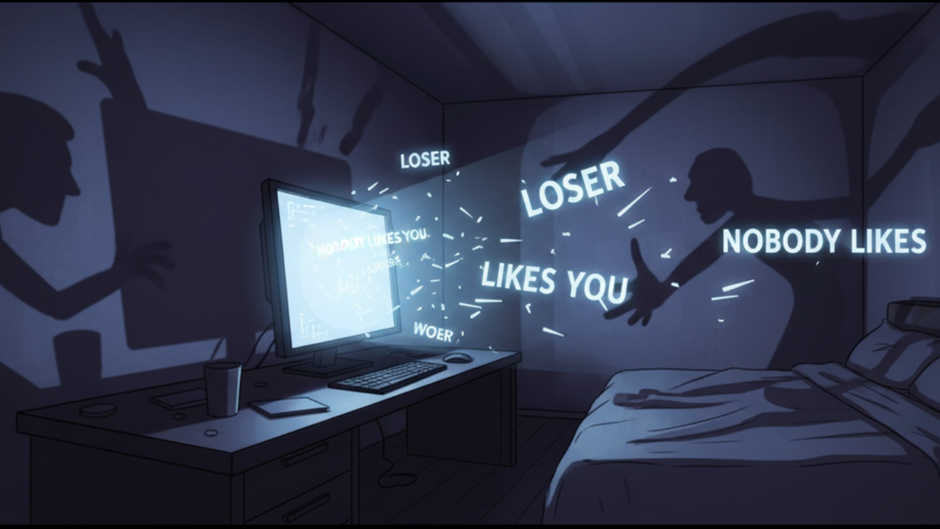
Due to excessive use of social media, children are becoming lonely. This is a very serious issue. Feeling lonely and being constantly online, they are becoming victims of cyberbullying, which is most worrisome.

There are very few solutions to these problems that children are enduring. But if we hold onto those solutions, and if parents and the whole family give proper time to children, success is definitely possible.
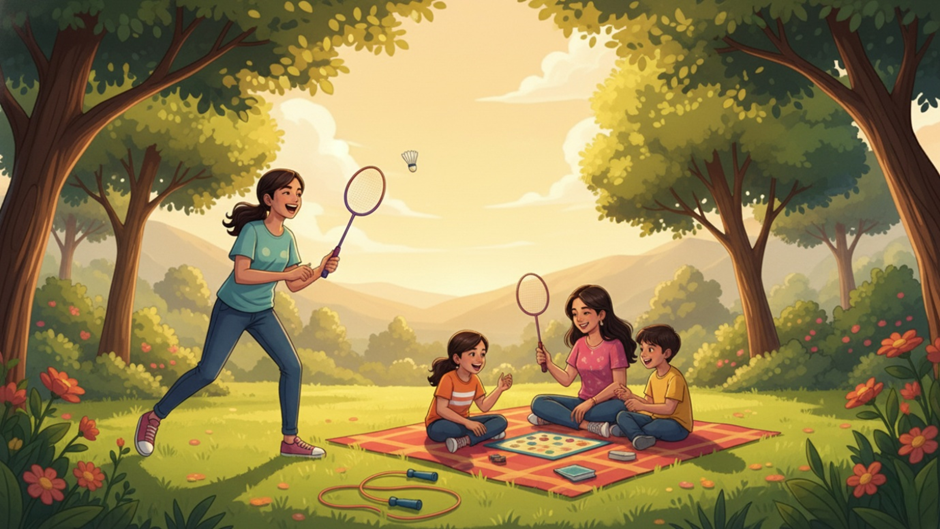
Parents should take time out from their busy lives and routines to give attention to their children. Create a regular timetable and engage them in indoor and outdoor games; so much so that they don’t even feel the need for screen time. Also, make children plan their own time.

Everything has good and bad sides. But overuse of the bad side is increasing. Parents are feeling helpless. They can’t keep the mobile away from children even for a while. In such a challenging situation, it is necessary that the government enforces a strict ban on mobile use for children under 16. And society must take responsibility for strict compliance.

Mobile usage is indeed becoming a hindrance to children’s studies. Ideally, mobile phones should only be used after 12th standard; but this understanding must come from the children themselves. Yes, parents can surely help them develop this awareness. Every child must understand that up to a certain age, their primary goal should be education. Only then is this possible. This is both an educational and a moral decision.
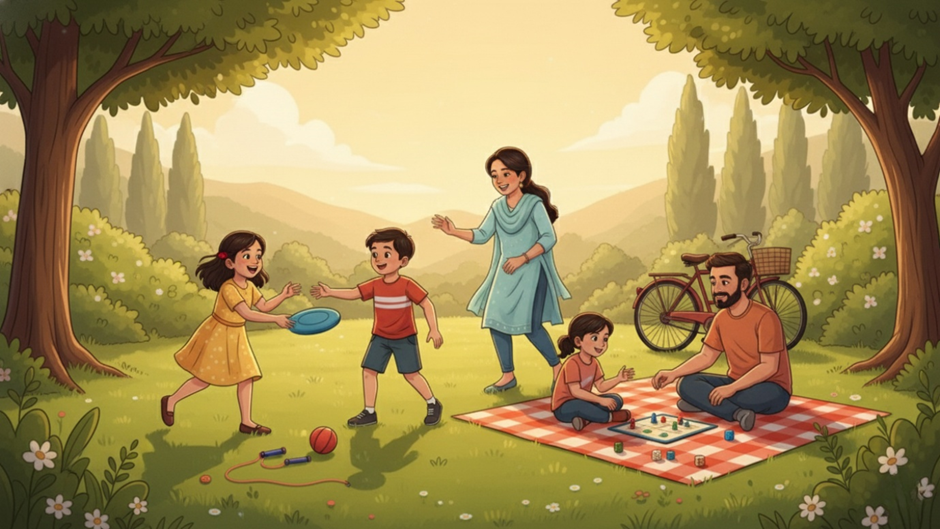
This issue is seen in nearly every household today. But the truth is that due to excessive mobile use, children are becoming very irritable and stubborn. Childhood is withering. In this time, parents, family members, and educators must wisely set rules, understand the child’s psychology, and lovingly try to keep mobiles away. That is in everyone’s best interest.
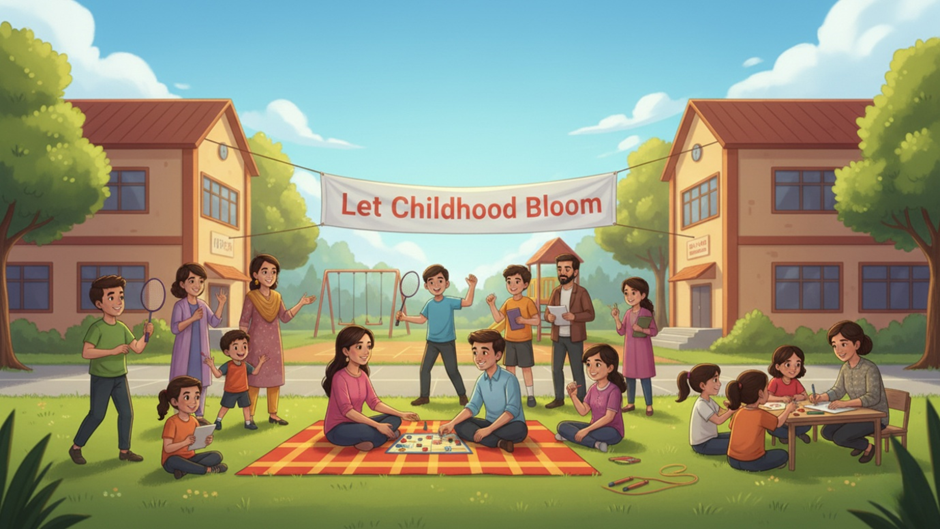
So let us all come together and become supportive through sincere efforts.
Disclaimer: This article reflects the author’s personal insights and reflections. It is shared with the intention of encouraging thoughtful parenting and generational harmony. The project and foundation are acknowledged as part of the original source for transparency and integrity.