



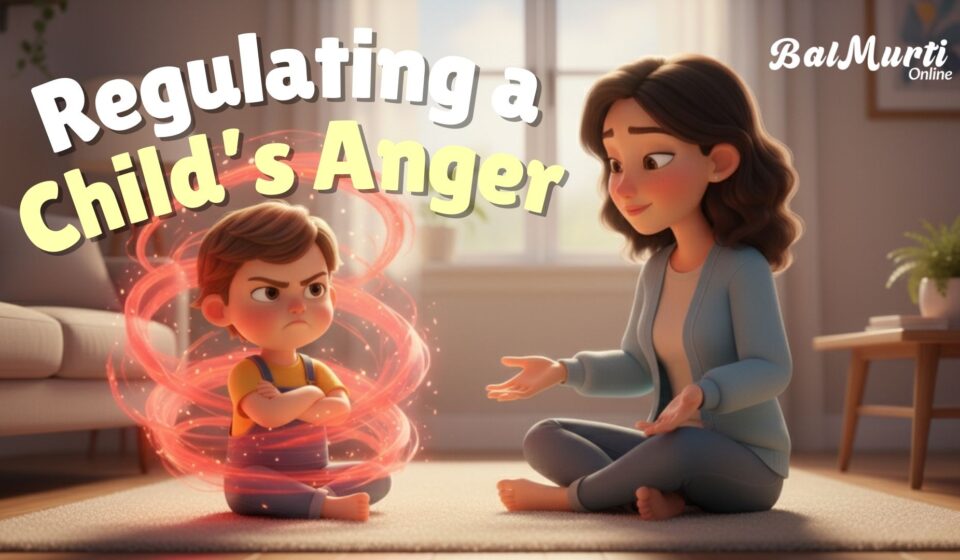

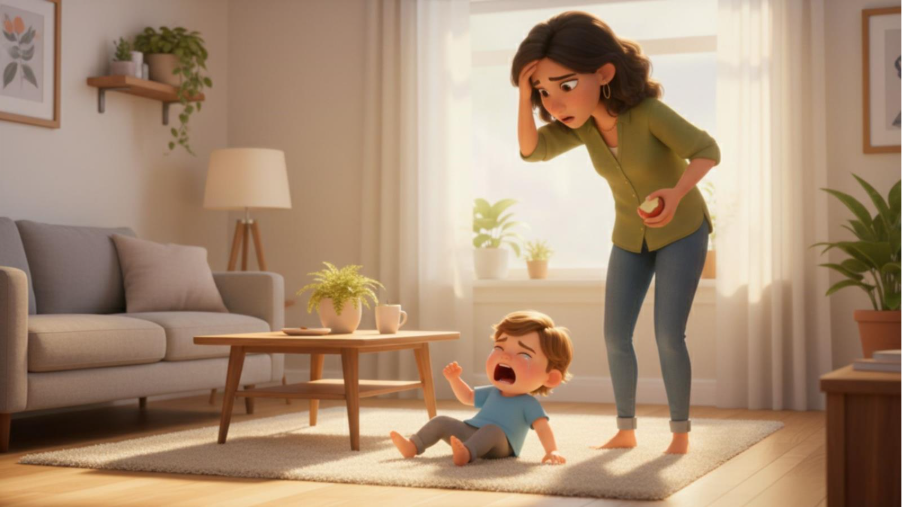
Anger in children can catch parents off guard. One moment they’re calm, the next they’re screaming, kicking, rolling on the floor, or flinging objects across the room. It’s confusing. Sometimes even heartbreaking. Some parents get angry in return. Others break down in tears.
Table Of Content
But here’s the thing; a child’s anger isn’t just defiance. It’s energy. It’s emotion. It’s instinct.
Anger is a survival mechanism built into all of us. It’s a reaction to frustration, to feeling blocked or helpless. For children, that can mean being denied a toy, being interrupted during a game, or hearing the word “no” when they’re not ready for it. The outburst may be directed at a parent, a sibling, a classmate; or even turned inward. Stomping, crying, pulling their own hair, screaming at full volume; it’s not random. It’s how their frustration spills over.

Why Kids Get Angry
Behind most tantrums is one simple trigger: failure. Something didn’t go their way, and they haven’t yet developed the tools to deal with it. So they lash out.
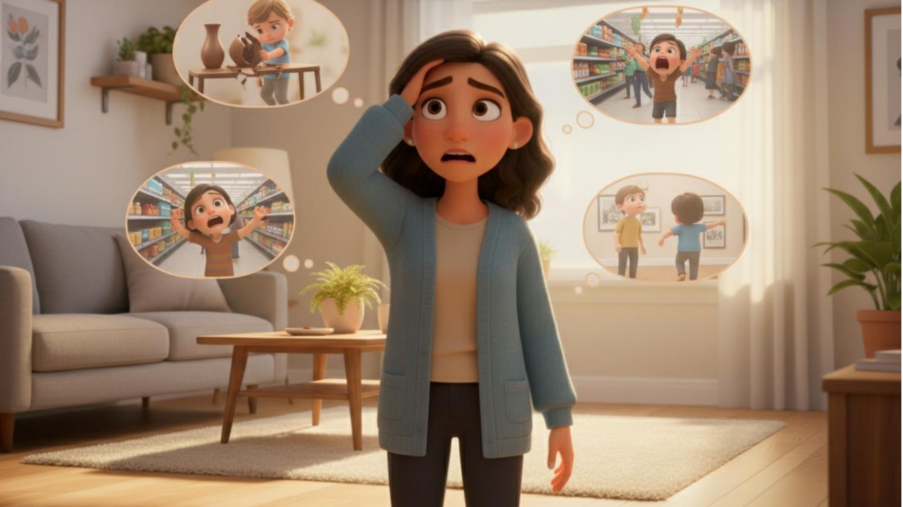
And for parents? It’s stressful. It raises a whole wave of panic:
- What if they hurt themselves?
- What if they hit someone else?
- What if they break something?
- What if they yell something offensive in public?
That fear drives parents to do whatever it takes to stop the anger quickly; but often, that leads to mistakes that create long-term problems.
Mistake 1: Giving in Just to Keep the Peace
Say your child throws a tantrum for a new toy or a sweet they were denied earlier. You held your ground then; but now, to calm the storm, you give it to them.

Big mistake.
You’ve just rewarded the behaviour you don’t want. Now the child learns: “If I scream hard enough, I’ll get it.” And next time, the tantrum comes faster. Stronger.
If the request was unreasonable the first time, it should remain a no; even in the middle of a meltdown. Let the child express the anger. Let it pass. Then, talk.
This is how you build emotional strength. Quiet resistance. Calm boundaries.
Mistake 2: Meeting Anger with Anger
Your child yells, and you yell louder. They throw something, and you slap their hand. The behaviour stops; but only for now.

Here’s what’s really happening: their anger is being suppressed, not processed. That energy doesn’t disappear. It builds. It stores. And one day, it may return; in more intense or unexpected ways.
You can’t crush an emotion by overpowering it. You can only teach the child how to understand it.
So, What Actually Helps?
Here’s a better approach; grounded in psychology, patience, and long-term parenting.
1. Let the Outburst Happen
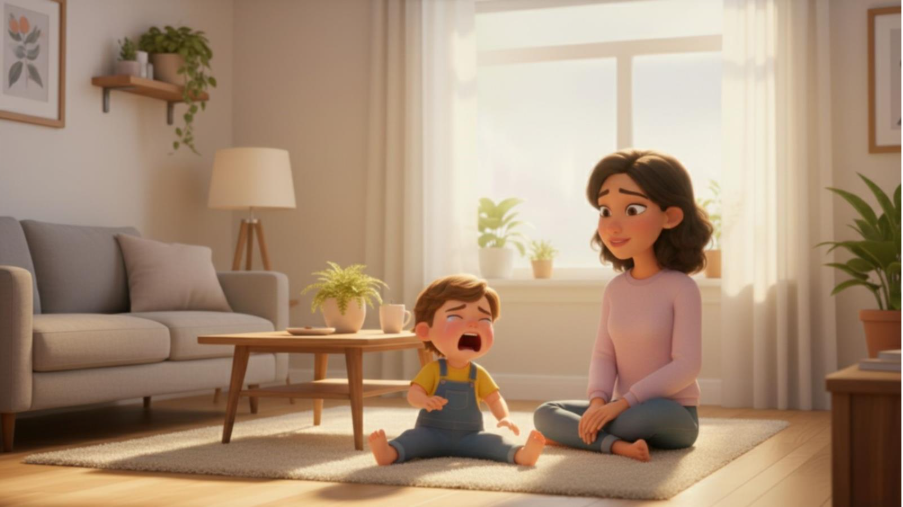
Don’t interrupt. Don’t scold. Just stay close. Let them scream, stamp, cry. You stay calm. Be present. Be steady. Let the wave pass.
2. Don’t Scold or Warn Mid-Tantrum
Resist the urge to say things like “Don’t touch that!” or “Mind the glass!” These instructions fuel more chaos. Instead, manage the space quietly and patiently.
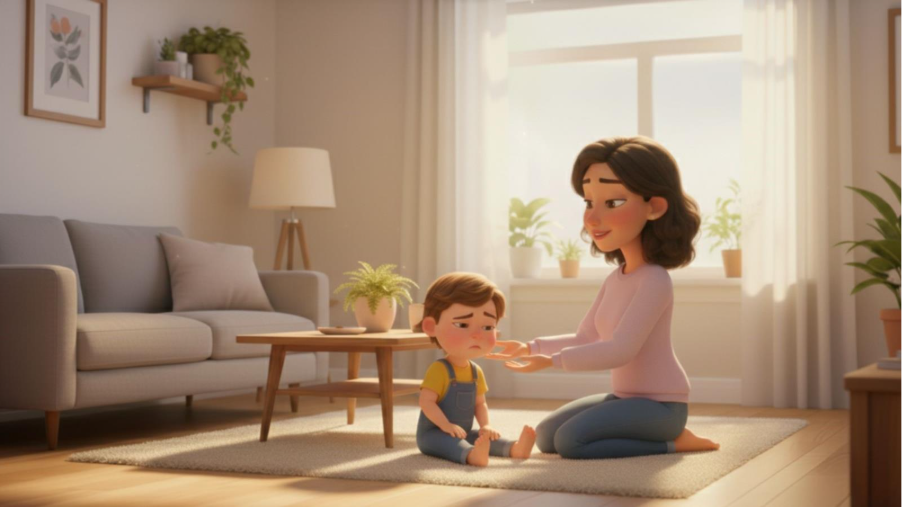
3. Stand Near. Stay Kind. Say Less.
Even if they’re not listening, they’re still feeling. Let them know you’re not abandoning them emotionally; even when they’re upset. That connection matters.
4. Avoid Making It Worse
Don’t shame. Don’t insult. Don’t deepen the feeling of failure. A child in meltdown is emotionally raw. They need containment, not criticism.
5. Use Gentle Physical Guidance, If Needed
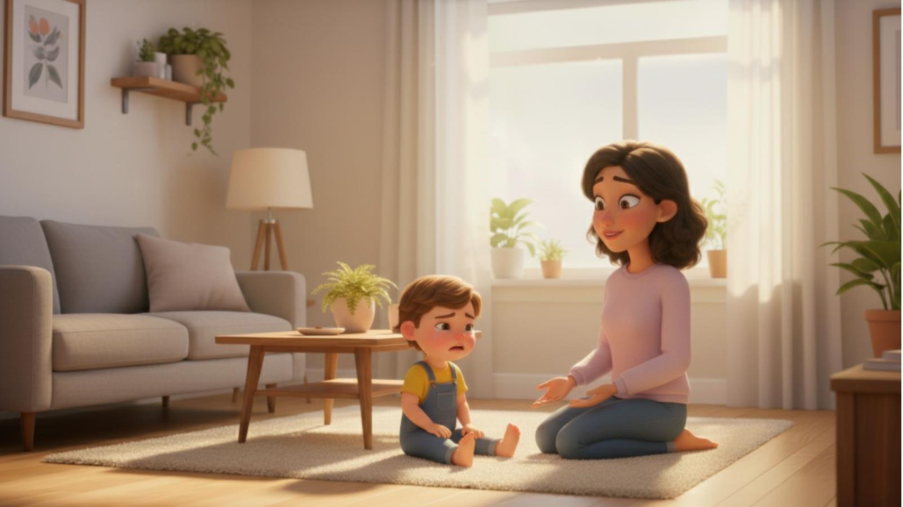
If the child is hitting others or smashing things, gently hold their hands. Not tightly. Not forcefully. Just firmly enough to guide. Sit beside them. Make your presence reassuring, not threatening.
6. Talk Only After Calm Returns
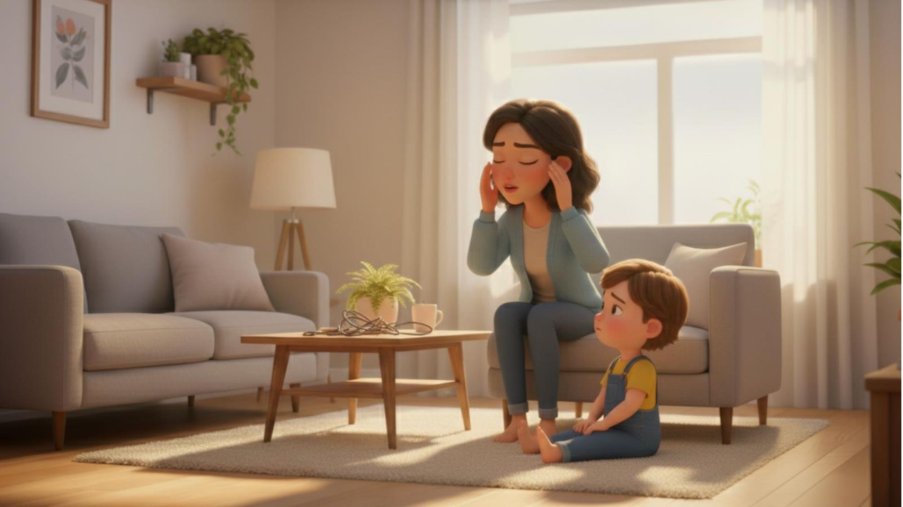
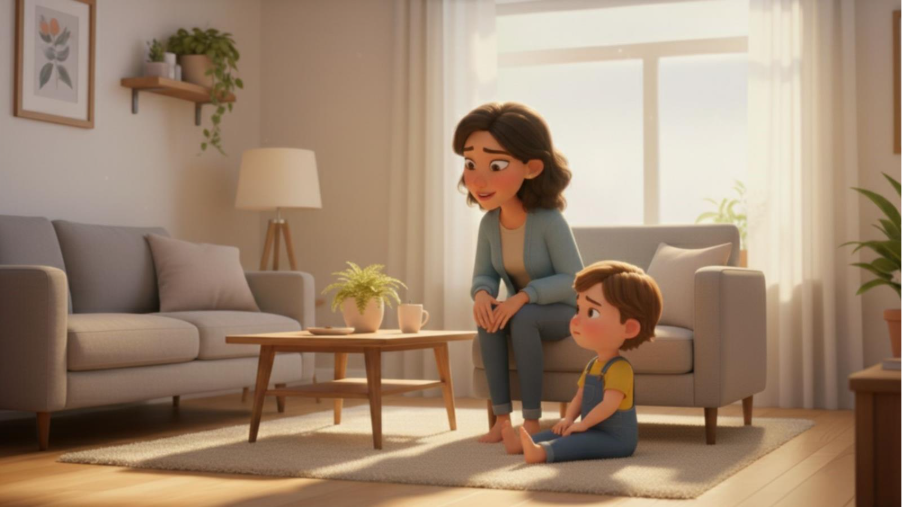
Once the storm has passed, that’s when learning happens. Talk then. Explain gently why the behaviour wasn’t okay. Let them reflect.
7. Model the Behaviour You Want
If your child is disrupting your work or creating stress, do not retaliate. The way you deal with frustration becomes their script. They will mirror your calm; or your chaos.
Long-Term Results
Children who are allowed to express their anger safely; but aren’t rewarded for it; slowly begin to regulate their own emotions. They learn to stay balanced. They grow into children who can handle frustration without exploding.
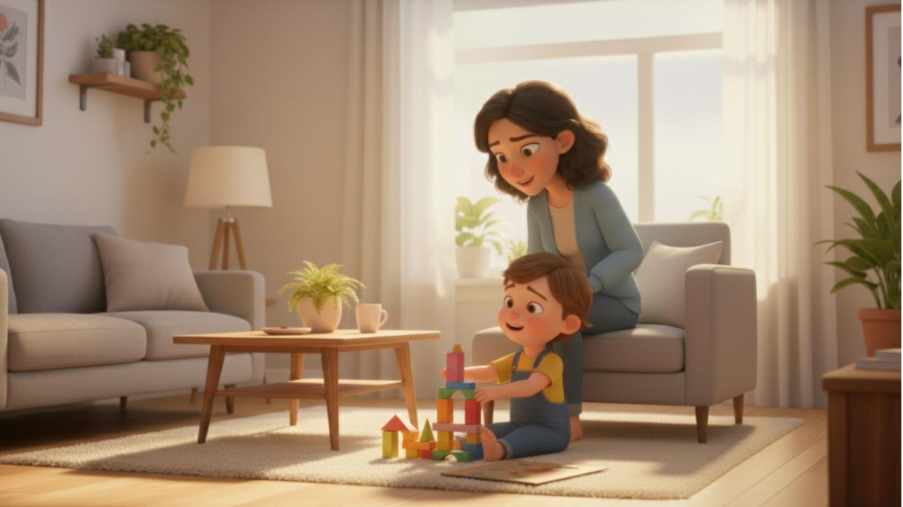
And that’s the goal, isn’t it?
We don’t want to raise children who never get angry. We want to raise children who know what to do with that anger; and who know we’ll still be there when the wave passes.
Disclaimer: The content shared on Balmurti Online—including articles, stories, website features, podcasts, videos, and other materials—reflects the personal views and experiences of individual contributors. We share these with the intention of encouraging thoughtful reflection and open dialogue among parents, educators, and our wider community. While we value every voice, the views expressed may not always represent those of the publication or its parent organization.