



In a room full of laughter, a tiny moment passed unnoticed; or rather, misunderstood.
Table Of Content
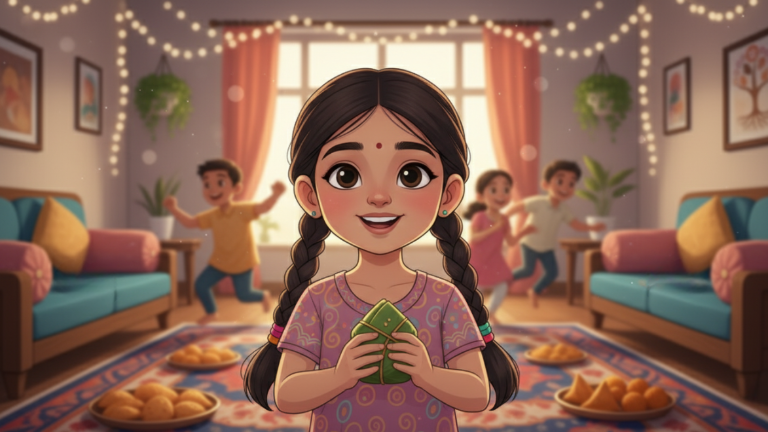
A little girl, no more than two, had gone to a social gathering with her parents. She was given food; a bit of potato, some grapes. She nibbled on a few and decided to keep the rest for later. Holding her small bundle of leftovers, she clutched it tightly. Her friends were calling her to play. She looked at the food in her hand, then at the ball, hesitating.
She wanted to play, but she didn’t want to lose what she was holding.
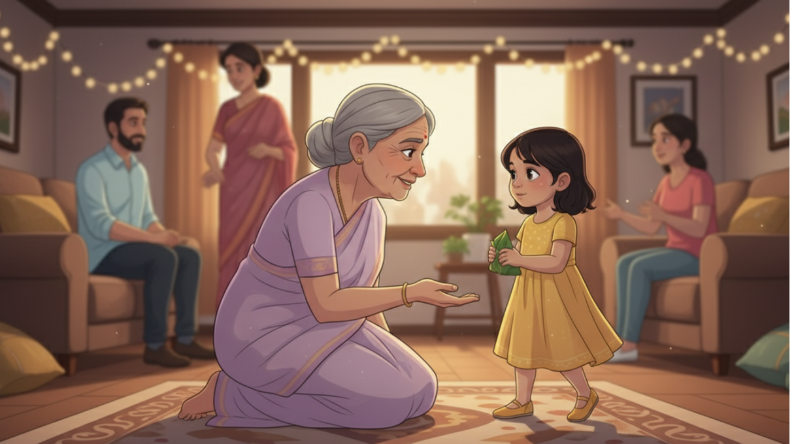
Her grandmother suggested, kindly, “Leave the bundle here. Go play and take it back later.”
The girl paused. Something in her didn’t feel safe about that. She looked around. No place seemed secure. Her father stepped in, saying, “Give it to me. I’ll keep it in my pocket for you.”
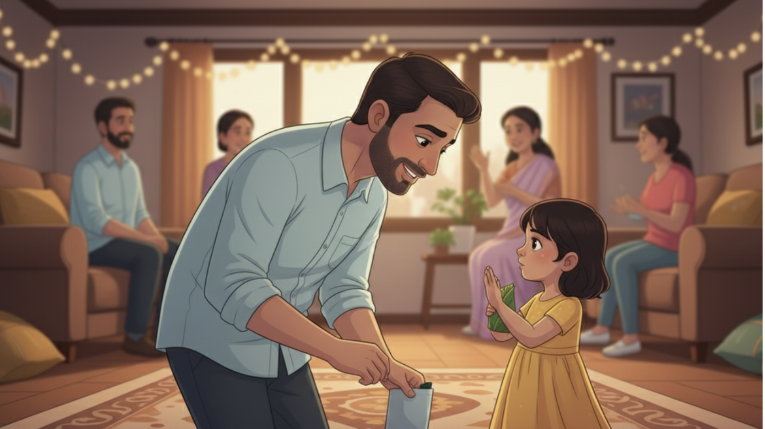
She shook her head. “Not with you.”
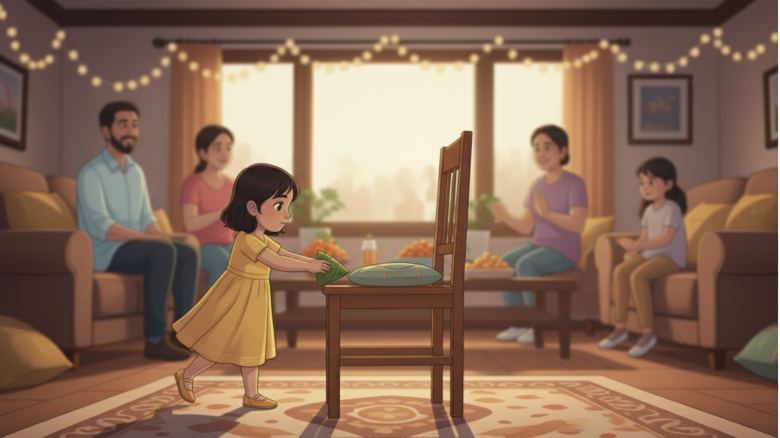
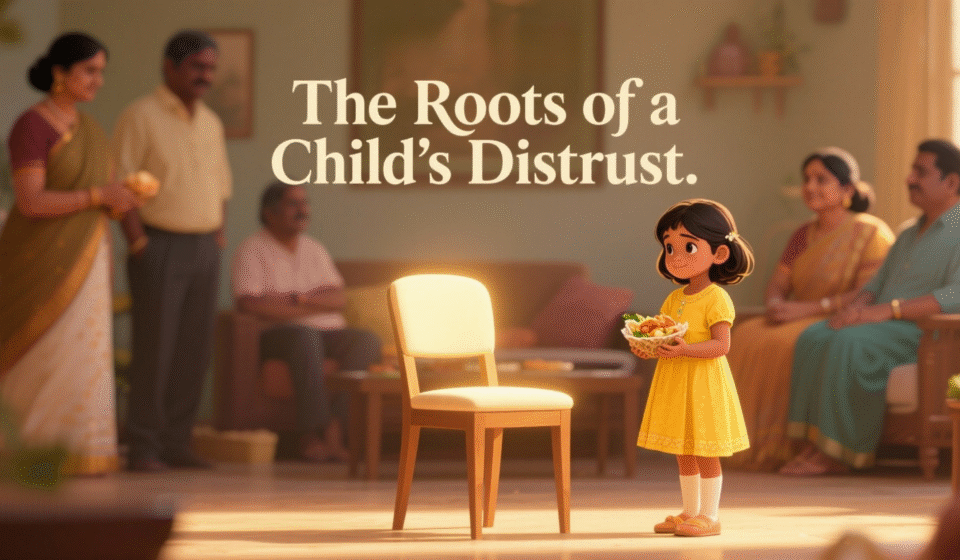
Eventually, she spotted a chair a little away from everyone. Quietly, she placed her bundle there and ran to play.
Her parents laughed. “See how smart she is!” said the grandmother.
“Chief of fools!” chuckled the father. “If we wanted to take it from the chair, couldn’t we? Let me hide it just for fun.”
Everyone laughed again.
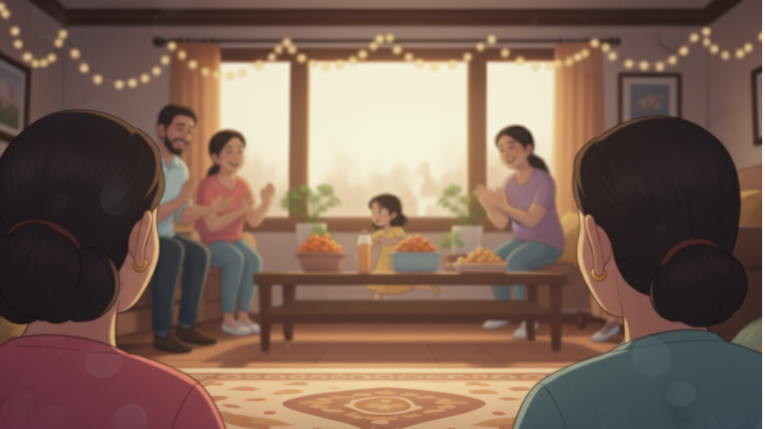
But I couldn’t. I sat in silence, uncomfortable.
Because while they were laughing, a little girl had just passed judgment on her parents; and no one seemed to notice. Or care.
What Happens When a Two-Year-Old Doesn’t Trust Her Parents?

That small act of placing her bundle on a chair; rather than handing it to her parents; was loud. It screamed what she couldn’t say: “I don’t trust you.”
At two, she had no power, no control, no understanding of the world. Her hands were tiny. Her world, unfamiliar. The only support she should have had; her parents; was absent in the moment that mattered.
Why didn’t she trust them?
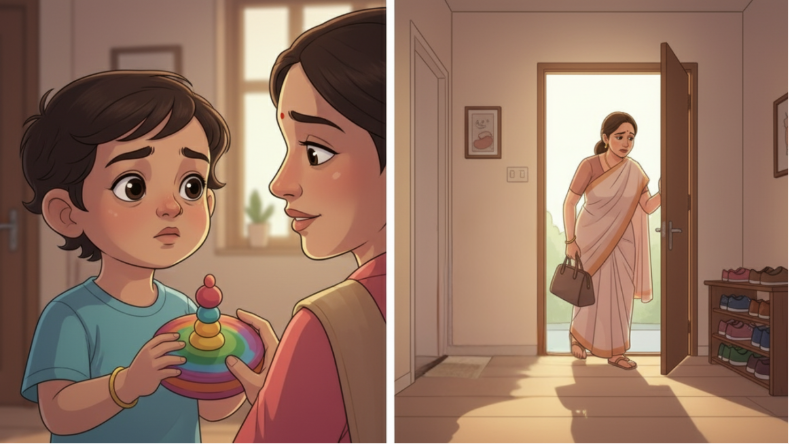
Maybe they had taken things from her before. Maybe she had handed over food only to find it gone later. Maybe she’d seen the adults around her make decisions without her consent. Maybe she’d been tricked, “just for fun.” Or maybe it was one too many “it won’t hurt her” moments when they dipped into her plate, thinking she wouldn’t notice.
But she did.
Today it’s distrust in her parents. Tomorrow, it’ll stretch into the world around her.
And once trust breaks that early, rebuilding it is no easy task.
Small Lies. Big Impact.
Children begin with complete, unquestioning trust. Whatever their parents say; that’s truth. That’s law. That’s how it starts.
But then come the small lies.
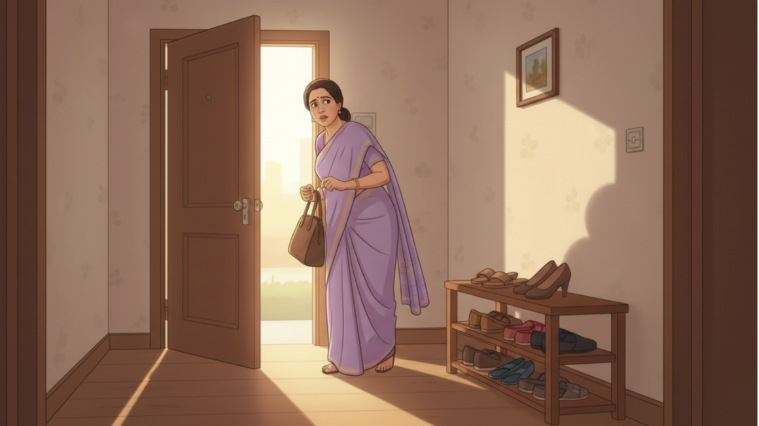
The “I’m not going anywhere” when the mother is about to leave.
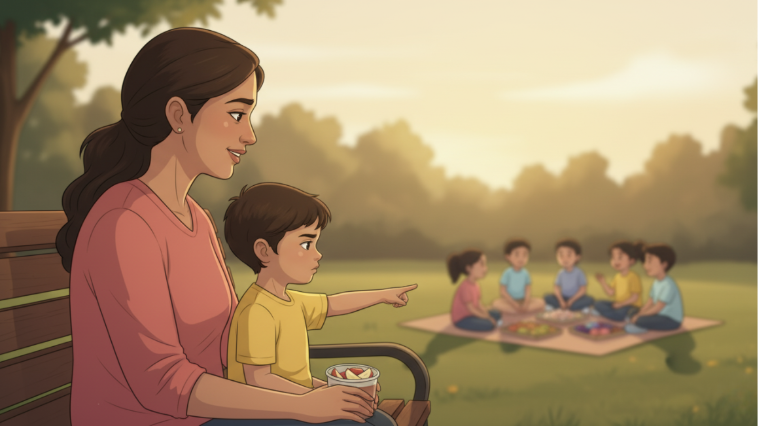
The “That’s not good to eat” when other kids have sweets.
These everyday untruths; seemingly harmless; become patterns. The child notices. Learns. Watches. Adjusts.
One day, the lie becomes obvious. And from that day on, the child watches more closely. With each broken promise, each deception, trust quietly starts to erode. Not with drama. Not with confrontation. Just a slow, silent distancing.
What remains is not just distrust; but a deep emotional imprint.
The First Teachers of Falsehood
Here’s the hard truth: it’s often the parents who teach dishonesty first.
Not intentionally. But consistently.
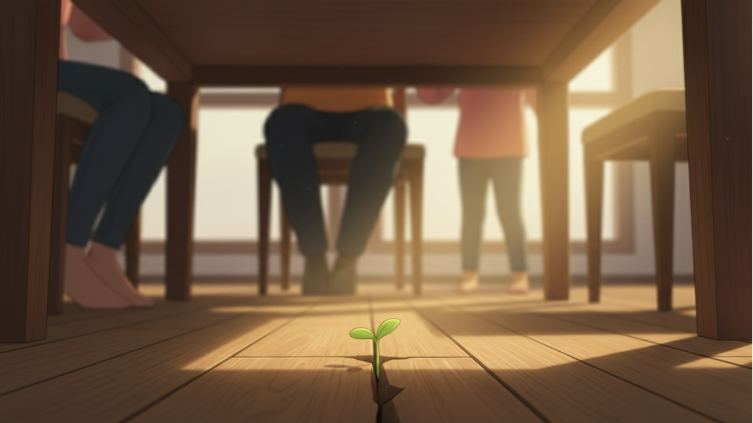
When adults lie to children; even in the name of convenience or protection; they plant the seed of character erosion. Later, when that child lies to them or others, they’re surprised. Disappointed. Angry. They send the child to teachers, counselors, trainers, hoping someone else will “fix” what started right at home.
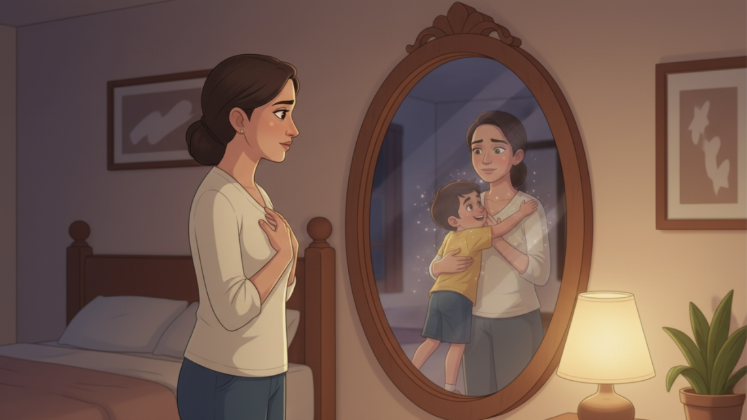
The child’s respect, once lost, isn’t easy to win back. And when your own child doesn’t believe you; that is the real disgrace. That is the real black mark.
What right do we have to demand obedience or respect, when the foundation we’ve given them is cracked?
What Looks Small Might Not Be
It’s easy to brush this off. To say, “Oh, it’s just a phase,” or “Kids are too sensitive these days.”
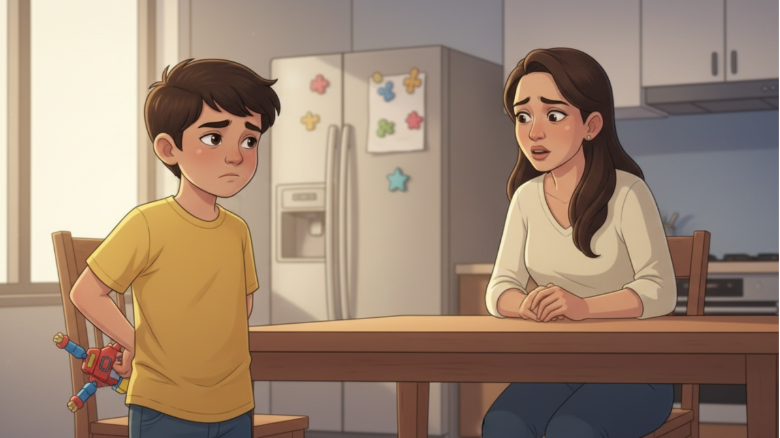
But here’s the thing; these moments aren’t small. Not to the child. And not to the bond you’re supposed to be building.
Every parent should pause and ask:
Does my child trust me?
If the answer is “I don’t know” or “maybe not,” the work begins there.
Disclaimer: The content shared on Balmurti Online—including articles, stories, website features, podcasts, videos, and other materials—reflects the personal views and experiences of individual contributors. We share these with the intention of encouraging thoughtful reflection and open dialogue among parents, educators, and our wider community. While we value every voice, the views expressed may not always represent those of the publication or its parent organization.